Serotonin Syndrome Risk Checker
Medication Interaction Checker
Check the potential risk of serotonin syndrome when combining antiemetics with serotonergic drugs.
Risk Assessment
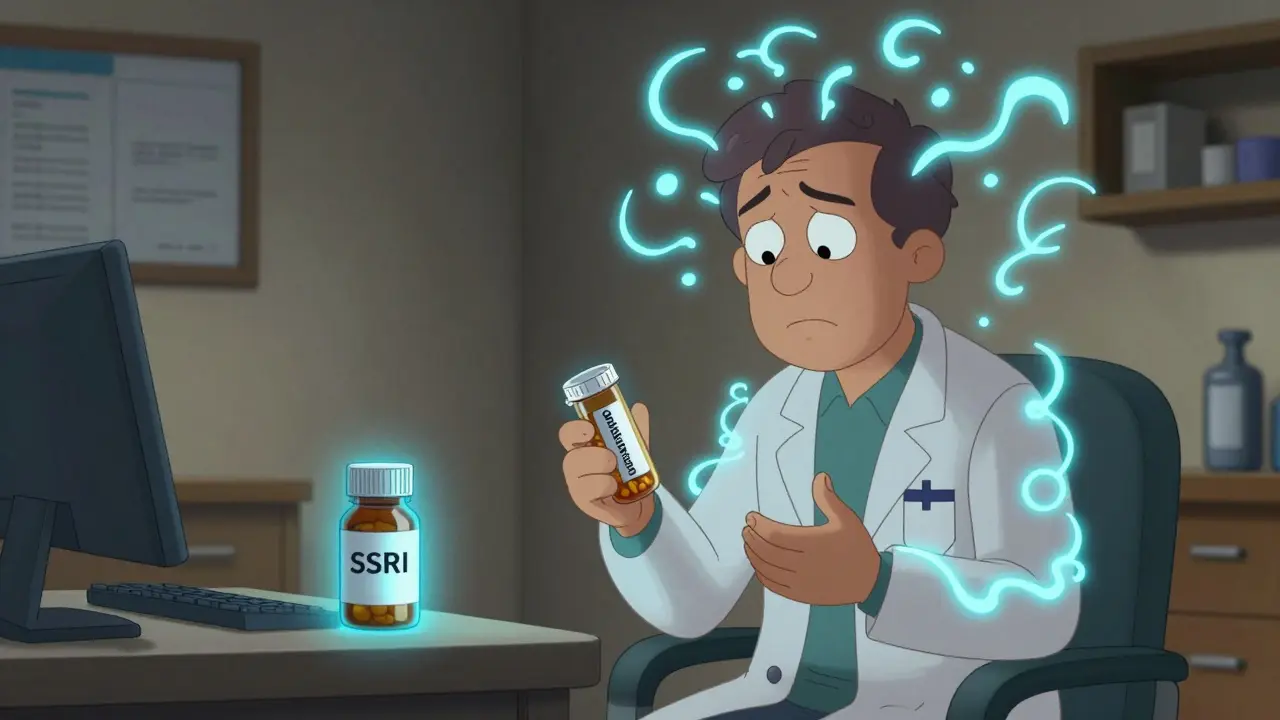
Imagine taking ondansetron for nausea after chemotherapy, while also on an SSRI for depression. You feel fine-until your muscles start twitching, your heart races, and your mind feels foggy. These aren’t just side effects. They could be the early signs of serotonin syndrome, a rare but dangerous condition caused by too much serotonin in your brain and body. It doesn’t take much to trigger it: just two commonly prescribed drugs working together.
What Exactly Is Serotonin Syndrome?
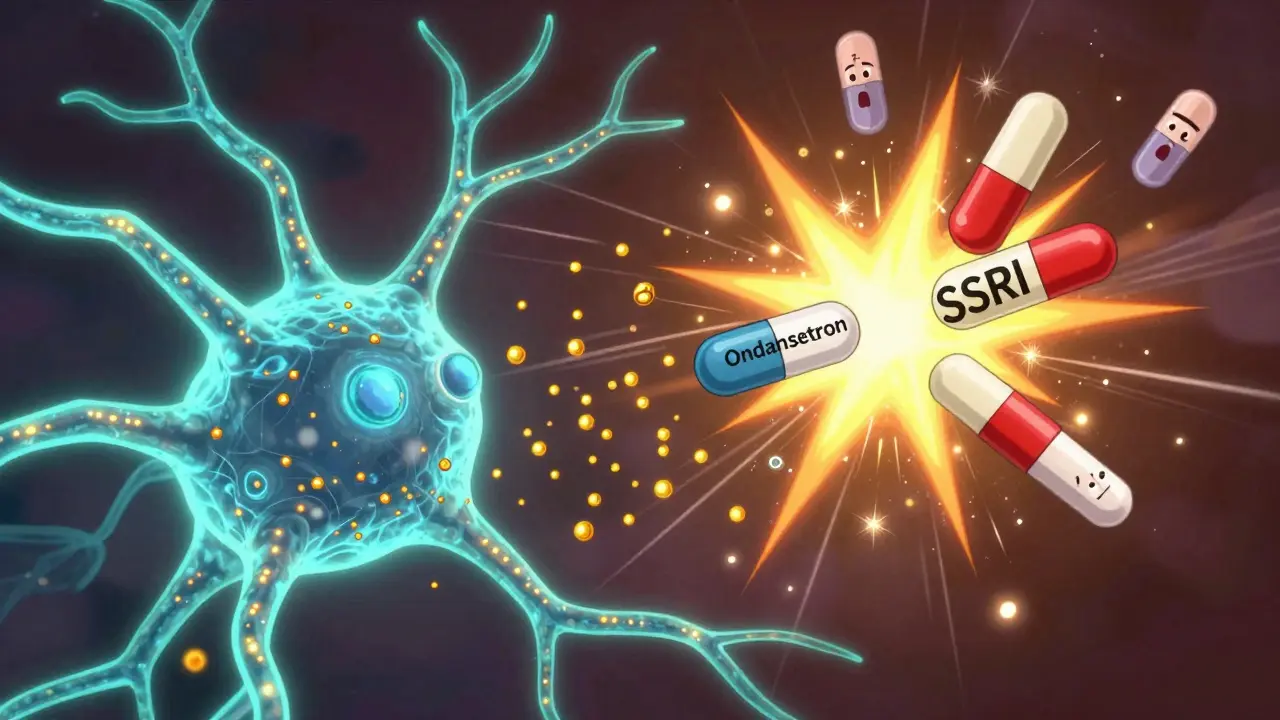
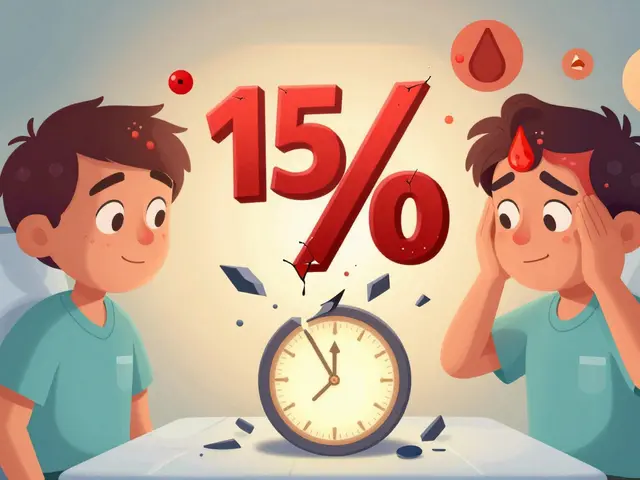
Serotonin syndrome isn’t a vague feeling of being "overstimulated." It’s a measurable, life-threatening reaction caused by excessive activation of serotonin receptors, especially 5-HT1A and 5-HT2A. First recognized in the 1960s, it became more visible as SSRIs and other antidepressants became widespread. Today, it’s most often seen when people take more than one drug that boosts serotonin levels. The American Academy of Family Physicians found that 85% of cases involve two or more serotonergic drugs.The body normally keeps serotonin in check by reabsorbing it through the serotonin transporter (SERT) and breaking it down with an enzyme called MAO-A. But when you add drugs that block SERT-like fluoxetine, sertraline, or citalopram-serotonin piles up in the spaces between nerve cells. Add another drug that increases serotonin release or blocks its breakdown, and the system overloads.
Why Antiemetics Are a Hidden Risk
Most people assume antiemetics like ondansetron (Zofran) are safe because they’re used for nausea and vomiting. But here’s the twist: ondansetron and other 5-HT3 antagonists aren’t designed to increase serotonin. They block 5-HT3 receptors in the gut to stop nausea. So how do they contribute to serotonin syndrome?The answer lies in off-target effects. While these drugs are selective, research shows they can still interfere with serotonin regulation in the brain. A 2017 case report in the Journal of Medical Toxicology described serotonin syndrome in a patient taking ondansetron with citalopram-no other serotonergic drugs involved. That’s rare, but it happened. And in 3.2% of all antiemetic-related serotonin syndrome cases, ondansetron was implicated.
Even more concerning is the role of genetics. About 7-10% of people of European descent are "poor metabolizers" of CYP2D6, the liver enzyme that breaks down ondansetron. In these people, the drug builds up to 2.3 times higher levels than normal. When paired with an SSRI, that extra ondansetron can push serotonin levels into dangerous territory. A 2020 Mayo Clinic study confirmed this pattern in older adults.
Not All Antiemetics Are the Same
There are different types of antiemetics, and their risks vary widely:- 5-HT3 antagonists (ondansetron, granisetron, dolasetron): Moderate risk. They block nausea receptors but may have unintended effects on serotonin pathways, especially in poor metabolizers or when combined with SSRIs or MAOIs.
- Dopamine antagonists (metoclopramide, prochlorperazine): Moderate to high risk. Metoclopramide weakly inhibits serotonin reuptake. Between 2004 and 2018, the FDA recorded 17 confirmed cases of serotonin syndrome linked to metoclopramide plus SSRIs.
- NK1 antagonists (aprepitant): Low direct risk, but moderate indirect risk. Aprepitant inhibits CYP3A4, which can raise levels of SSRIs like sertraline or fluoxetine, indirectly increasing serotonin.
- Corticosteroids (dexamethasone): No serotonergic activity. Often used as a safer alternative in high-risk patients.
Some doctors still think ondansetron is harmless. But data from the FDA’s Sentinel Initiative shows a 29% increase in serotonin syndrome-related ER visits involving antiemetics between 2018 and 2022. And while the absolute risk is low-just 4.2 cases per 100,000 prescriptions-it’s rising.
Who’s Most at Risk?
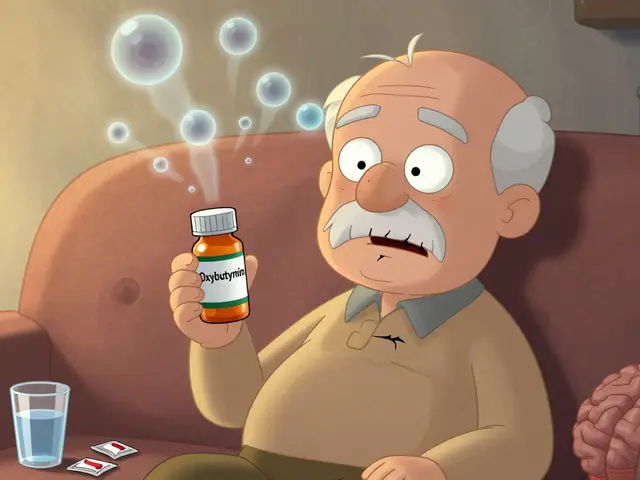
Age matters. People over 65 make up only 18.7% of the population but 41.3% of serotonin syndrome cases involving ondansetron and SSRIs. Why? Older adults often have slower liver and kidney function, take more medications, and are more likely to be CYP2D6 poor metabolizers.Another red flag: patients on multiple serotonergic drugs. This includes:
- SSRIs (fluoxetine, sertraline, escitalopram)
- SNRIs (venlafaxine, duloxetine)
- MAOIs (phenelzine, selegiline)
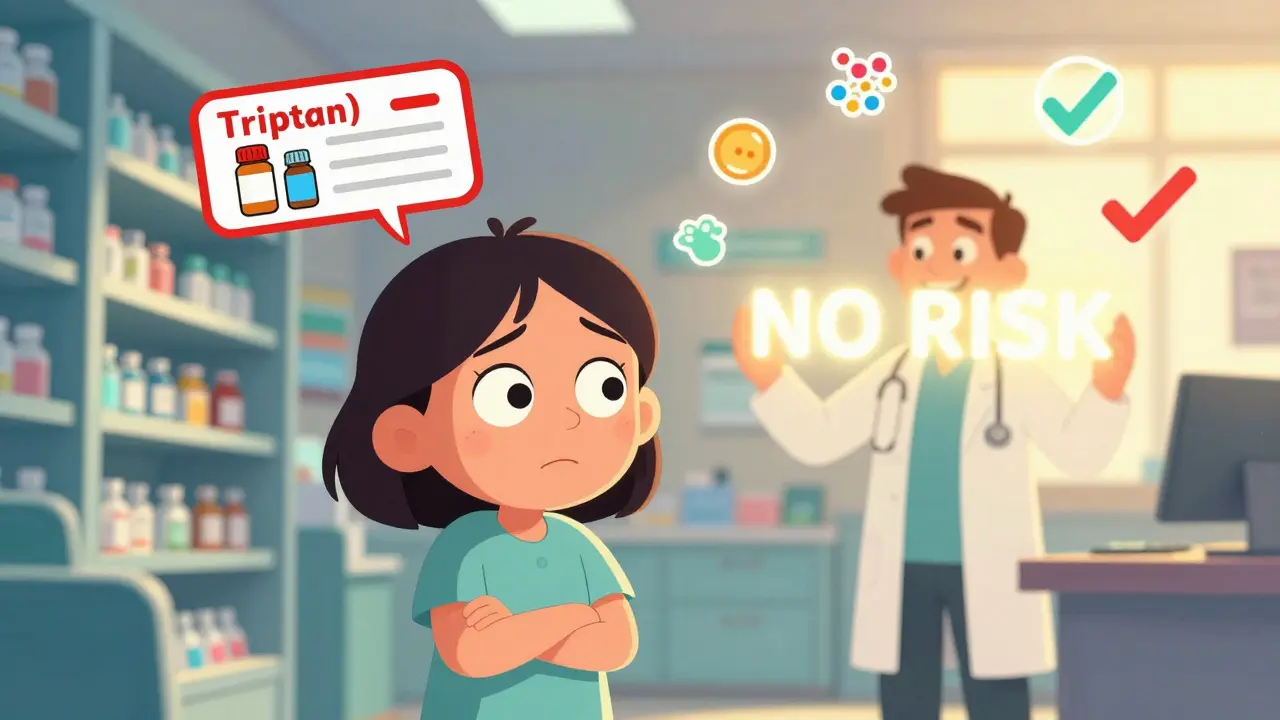
- Triptans (for migraines)
- Tramadol or meperidine (pain meds)
- St. John’s wort or MDMA (illicit or herbal)
One Reddit thread from March 2023 had 142 people sharing experiences. Of those, 37 said they had serotonin-like symptoms after getting ondansetron during a dental visit while on an SSRI. Eleven needed emergency care. That’s not anecdotal noise-it’s a pattern.
How to Spot It Before It’s Too Late
Serotonin syndrome doesn’t come on slowly. Symptoms usually appear within hours of a new drug or dose change. The Hunter Serotonin Toxicity Criteria is the gold standard for diagnosis. You need at least one of these:- Spontaneous clonus (involuntary muscle contractions)
- Inducible clonus plus agitation or diaphoresis
- Ocular clonus plus agitation or diaphoresis
- Tremor plus hyperreflexia
- Hypertonia plus temperature over 38°C plus ocular or inducible clonus
The most common signs are:
- Tremor (78.2% of cases)
- Hyperreflexia (63.4%)
- Mental status changes (54.1%)
- High blood pressure, fast heart rate, sweating
If you’re on an SSRI and get ondansetron, and then suddenly feel shaky, confused, or overly warm-don’t wait. Get help immediately.
What Should Doctors Do?
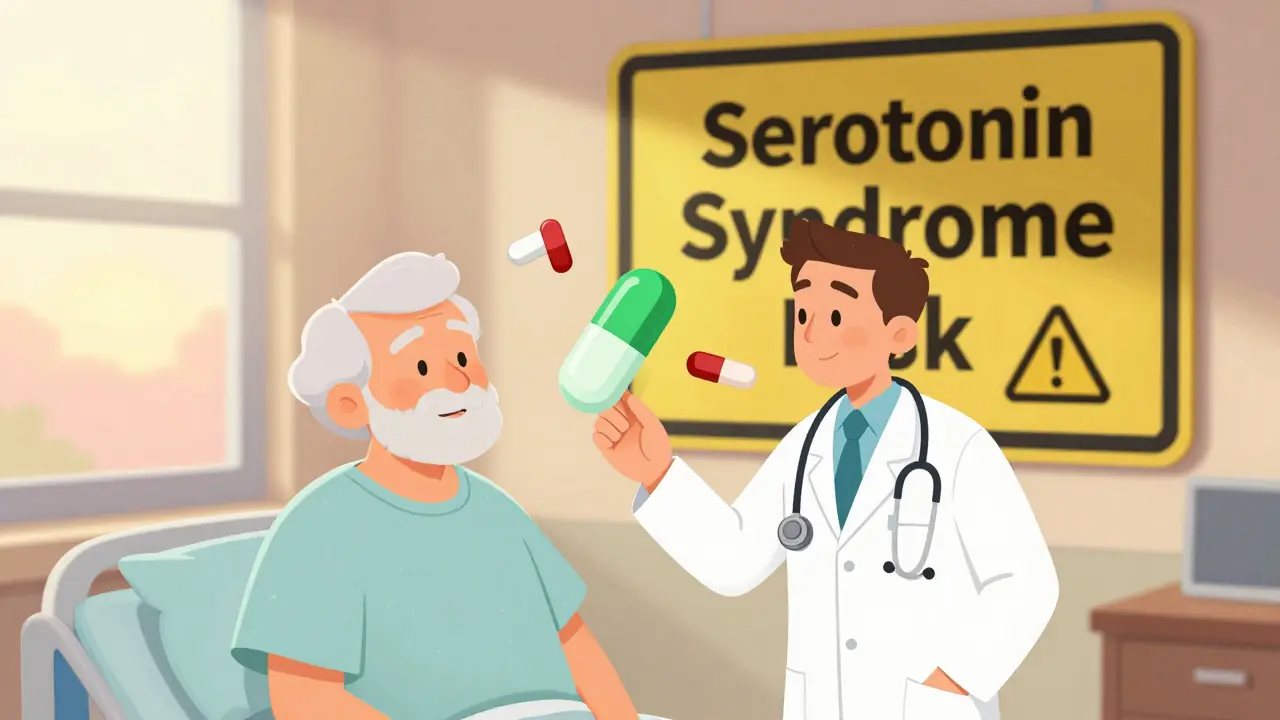
The American Society of Health-System Pharmacists recommends:- Check for CYP2D6 and CYP3A4 interactions before prescribing ondansetron with SSRIs.
- Reduce ondansetron dose by 50% if the patient is on a strong CYP2D6 inhibitor like fluoxetine or paroxetine.
- Consider dexamethasone as a first-line alternative in high-risk patients-especially older adults.
- Use palonosetron instead of ondansetron when possible. A 2023 study showed a 63.2% lower risk of serotonin syndrome with palonosetron in SSRI users.
Genetic testing for CYP2D6 status is now recommended by the Clinical Pharmacogenetics Implementation Consortium for patients who need long-term antiemetic therapy while on SSRIs. It’s not routine yet-but it should be for high-risk groups.
What If Serotonin Syndrome Happens?
Stop all serotonergic drugs immediately. That includes the antiemetic, the antidepressant, and anything else that affects serotonin.The first-line antidote is cyproheptadine, an antihistamine that blocks serotonin receptors. Give 4-8 mg orally, then repeat every 2 hours if needed. In severe cases, ICU care is required. Benzodiazepines help with agitation and muscle rigidity, but dexmedetomidine is emerging as a better option-it reduces serotonin release by activating alpha-2 receptors.
Don’t use antipyretics like acetaminophen for fever. The fever in serotonin syndrome comes from muscle overactivity, not infection. Cooling and sedation are key.
The Bigger Picture
In 2022, over 22 million ondansetron prescriptions were filled in the U.S. Nearly 40% of those went to people already taking an SSRI or other serotonergic drug. The global antiemetics market is worth nearly $5 billion. These drugs work. They prevent vomiting, improve quality of life, and help patients tolerate chemotherapy.The FDA still says the benefits outweigh the risks. And they’re right-if you know the risks. The problem isn’t the drug. It’s the lack of awareness.
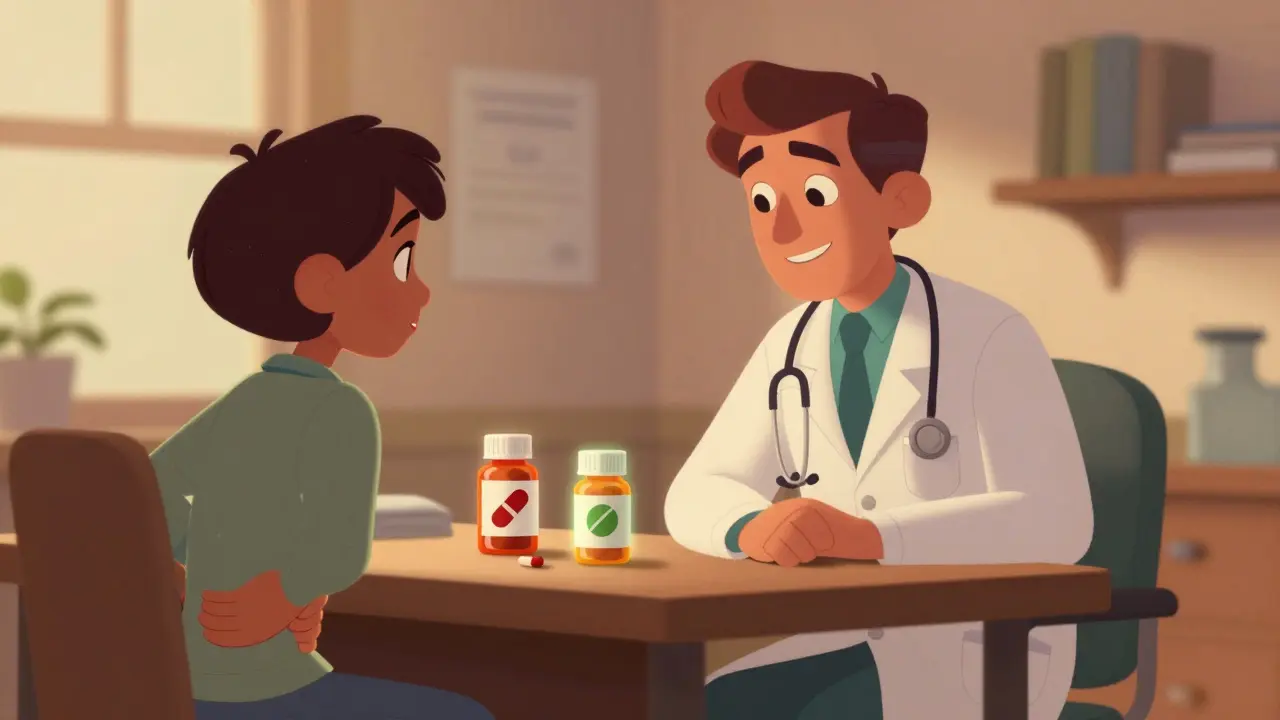
Doctors need to ask: "What else are you taking?" Patients need to speak up: "I’m on an antidepressant-can I still take this for nausea?"
Serotonin syndrome is rare. But when it happens, it can be fatal. And too often, it’s preventable.




8 Comments
Dee Humprey
I had a patient last month who got ondansetron for chemo nausea and was on sertraline. Started twitching at 3am, thought it was anxiety. Took her to ER, they diagnosed serotonin syndrome within an hour. She’s fine now but scared to take anything. Doctors need to ask about meds more. No one warned her.
Shanna Sung
They’re hiding this. Big Pharma doesn’t want you to know Zofran and antidepressants can kill you. The FDA’s data? Cooked. They’ve known since 2015. Why no black box warning? Why? Because money. You think your doctor cares? They get kickbacks. Look at the prescribing stats. It’s a cover-up.
Allen Ye
What’s fascinating here isn’t just the pharmacology-it’s the epistemological failure of clinical practice. We treat drugs as isolated variables when the human body is a dynamic, interconnected system. The reductionist model of prescribing one drug for one symptom ignores the entangled biochemistry of serotonin pathways. We’ve built a medical culture that rewards speed over depth, and now we’re paying for it in ICU beds. The real tragedy isn’t serotonin syndrome-it’s that we’ve normalized this risk as ‘rare’ instead of systemic.
Clint Moser
So many people dont realize how many meds affect CYP enzymes. I work in pharmacy and I see this all the time. Ondansetron + SSRI = bad combo if you're a slow metabolizer. Simple fix: check the med list. Use dexamethasone if you're unsure. No need to gamble with muscle rigidity and confusion. Just ask the pharmacist. Seriously, it takes 2 minutes.
Ashley Viñas
Wow. This is exactly why I stopped trusting my doctor. He prescribed me ondansetron after my surgery and didn’t even blink when I said I was on Lexapro. I had tremors for three days. He said it was ‘just nerves.’ I cried in the parking lot. If you’re on antidepressants, don’t trust anyone who says ‘it’s safe.’ You have to be your own advocate. No one else will.
Jason Stafford
They’re testing this on the elderly on purpose. Look at the stats-41% of cases are over 65. Why? Because they’re easier to silence. Nursing homes pump them full of Zofran and Prozac and call it ‘care.’ The government’s in on it. The CDC’s data is manipulated. I’ve got 17 friends who ‘died suddenly’ after chemo. Coincidence? No. It’s genocide by prescription.
Justin Lowans
As someone who’s managed chemotherapy patients for 12 years, I can confirm this is underrecognized. We now screen every patient for CYP2D6 status if they’re on SSRIs and need antiemetics. Palonosetron is our go-to. It’s pricier, yes-but not as pricey as a 7-day ICU stay. Prevention isn’t expensive. Ignorance is.
Ethan Purser
This isn’t just about drugs. It’s about how we’ve turned medicine into a transaction. We don’t listen anymore. We don’t connect the dots. We just scribble prescriptions and send people home. I was on Zofran after a bad stomach bug. I was on Prozac. I felt like my bones were vibrating. I thought I was losing my mind. No one asked me what else I was taking. No one. And now I’m here, broken, wondering if I’ll ever feel normal again. You think this is rare? It’s just silent. And silence is the real poison.