Antitrust Laws in Generic Drug Markets: How Competition Cuts Prices
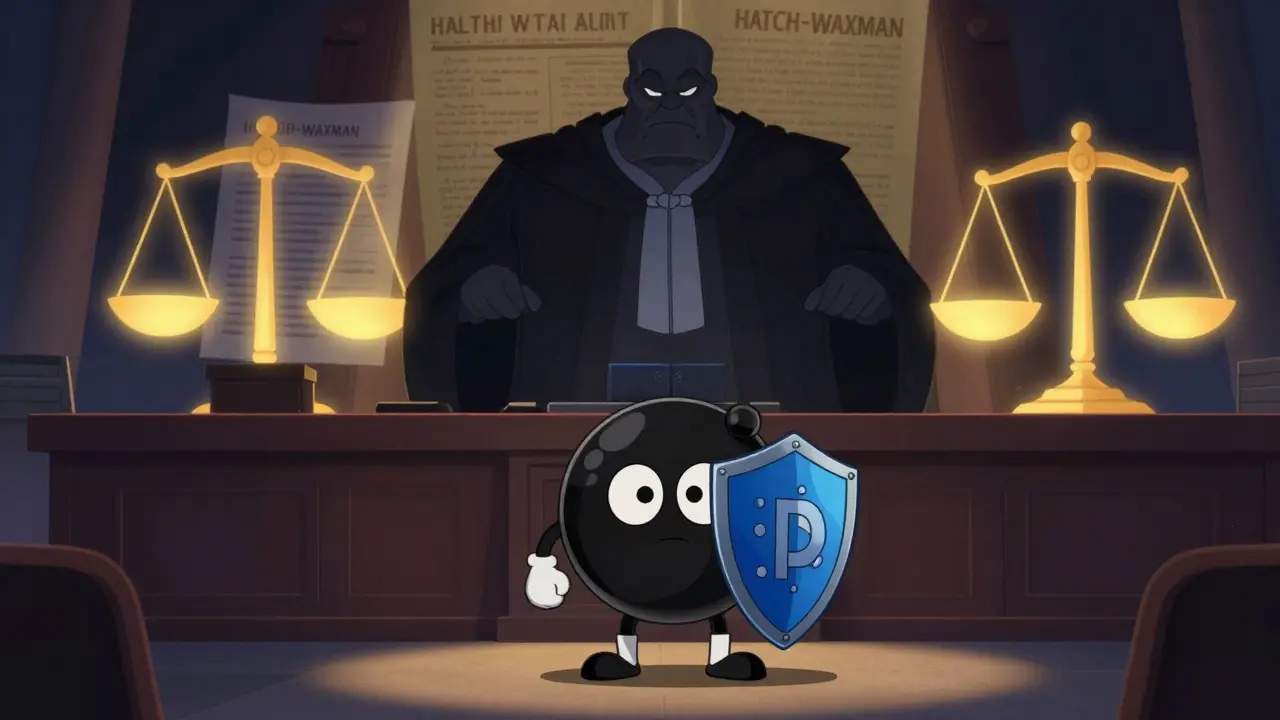
Explore how antitrust laws shape generic drug markets, impacting prices and access. Learn about Hatch-Waxman, pay-for-delay deals, and global enforcement strategies.
View more
Explore how antitrust laws shape generic drug markets, impacting prices and access. Learn about Hatch-Waxman, pay-for-delay deals, and global enforcement strategies.
View more
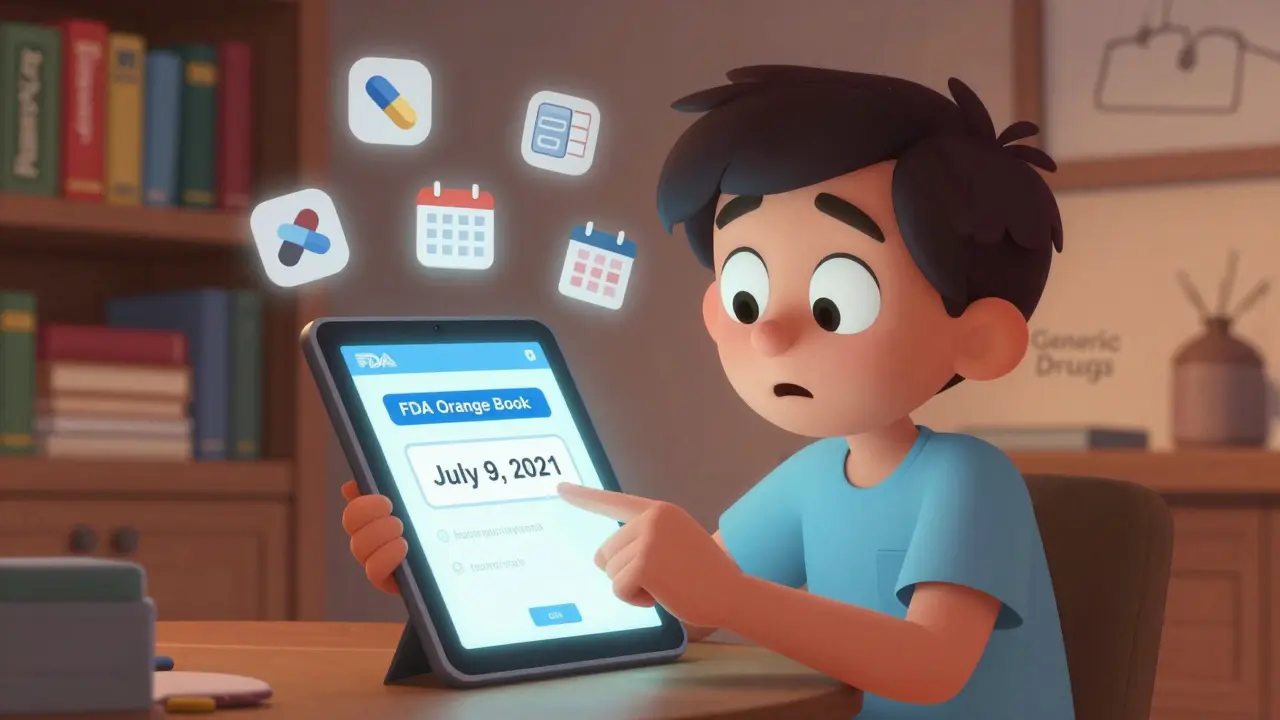
The FDA Orange Book is the official source for patent expiration dates of brand-name drugs in the U.S. Learn how to find and interpret these dates to predict when generic versions will become available.
View more
After the first generic drug enters the market, a cascade of competitors follows-triggering steep price drops, manufacturing challenges, and corporate tactics like authorized generics and PBM deals. Here’s how the race really unfolds.
View more
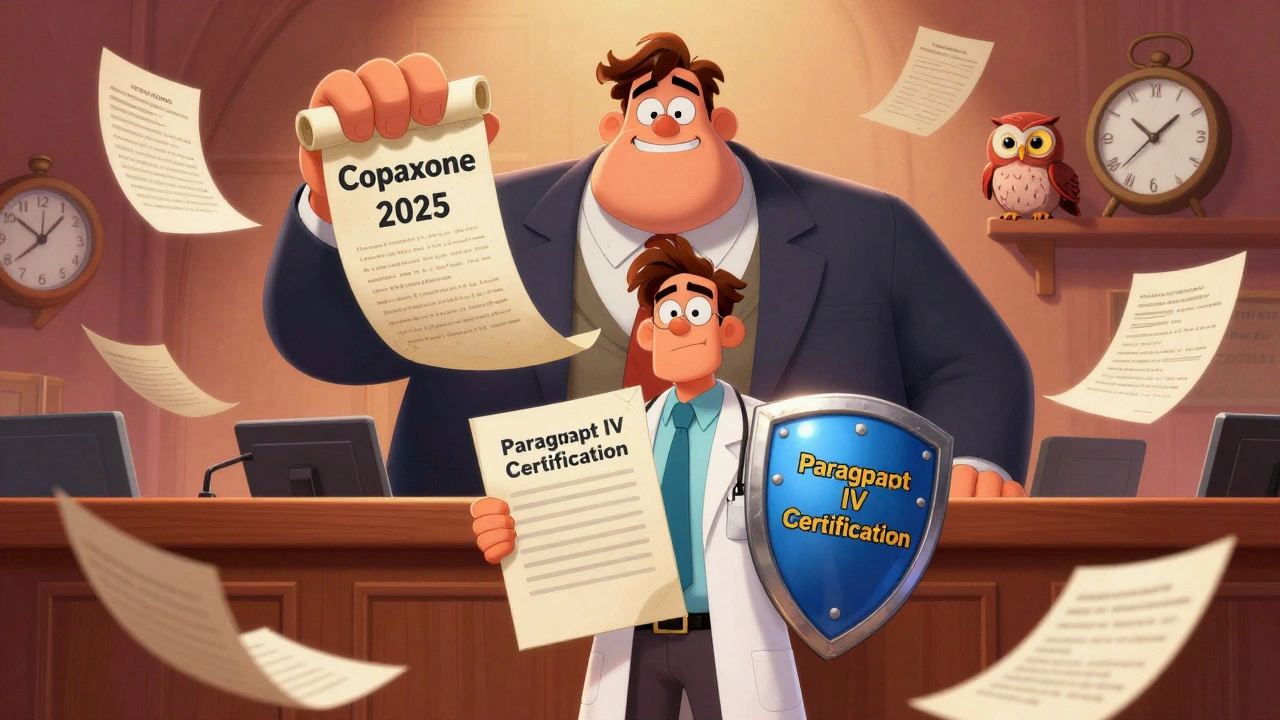
Paragraph IV patent challenges let generic drug makers legally fight brand drug patents before they expire. This system, created by the Hatch-Waxman Act, saves consumers billions and drives 90% of U.S. prescriptions to generics.
View more
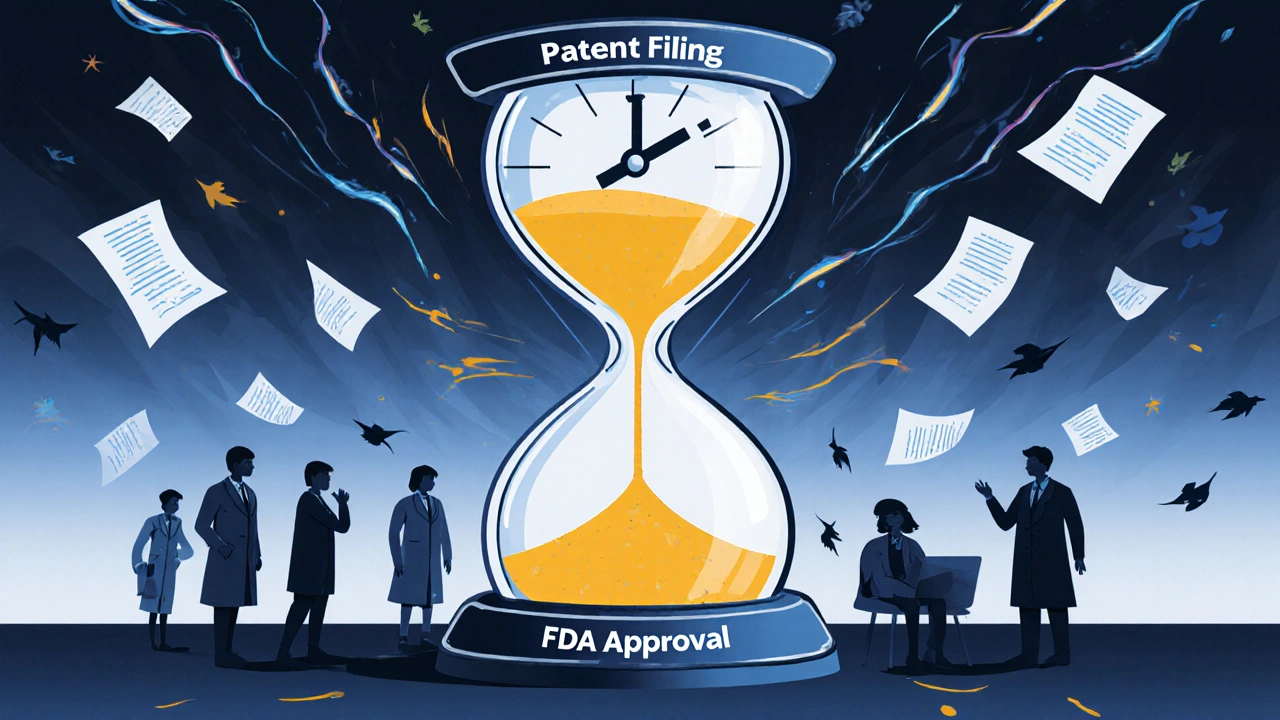
Drug patents are often said to last 20 years, but in reality, most drugs have only 7-12 years of market exclusivity due to lengthy approval times. Learn how patent extensions, regulatory exclusivity, and layered protections affect when generics become available.
View more
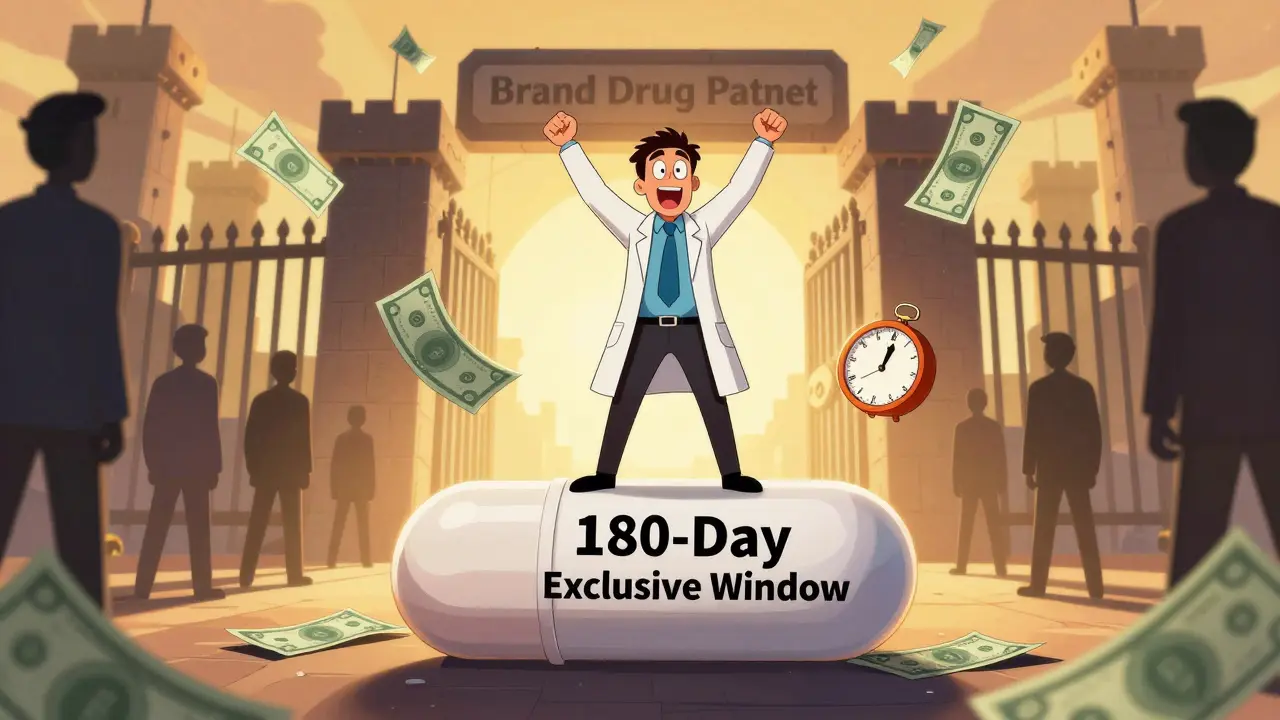
Authorized generics let brand drugmakers launch identical copies of their own drugs during the first generic's exclusivity period, crushing competition and keeping prices high. Here's how it works and why it's under fire.
View more