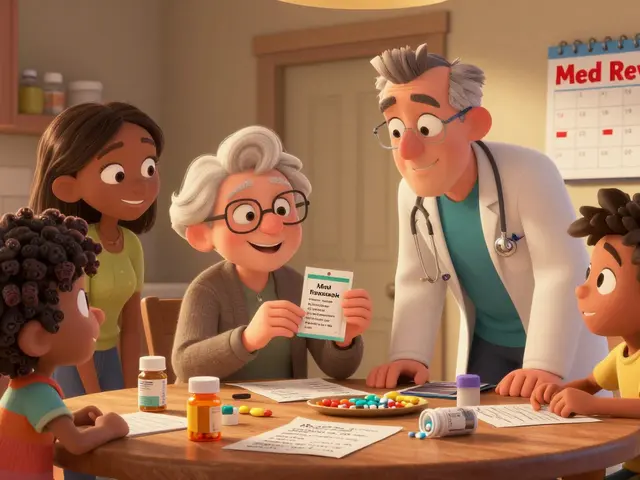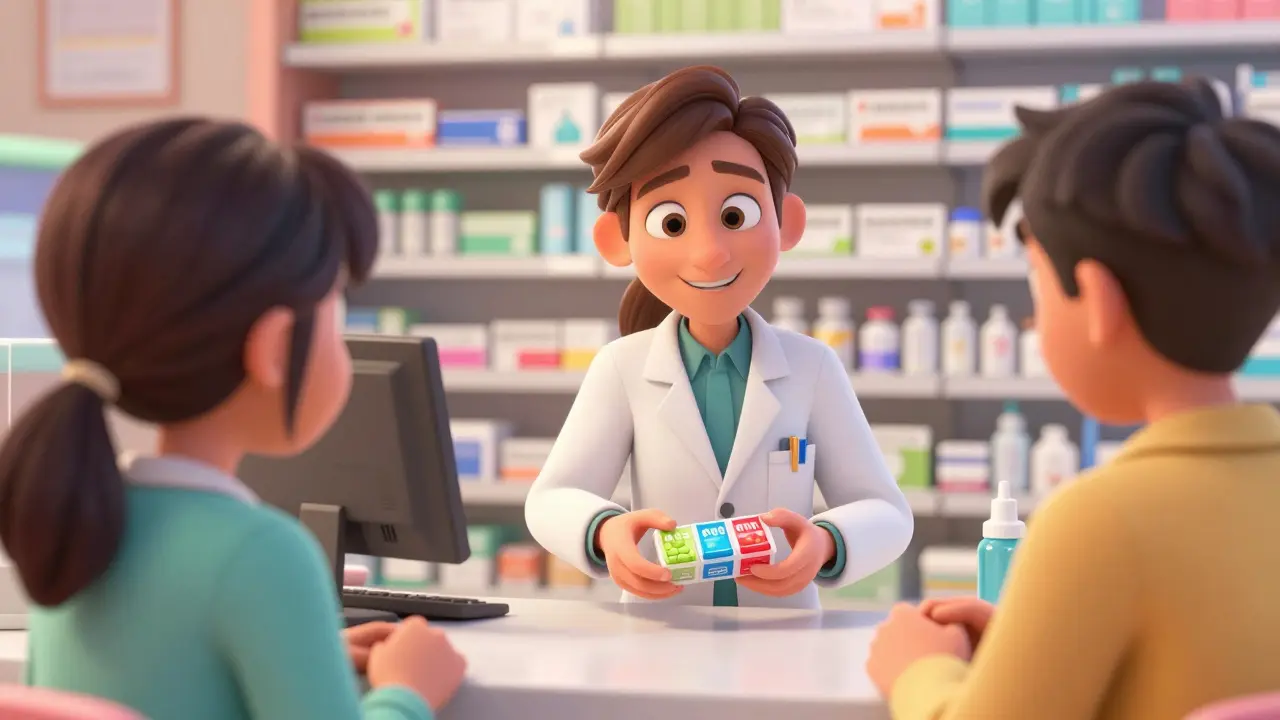
Generic vs. Brand Name Drugs: Are They Really the Same?
Discover if generic drugs are truly as effective as brand-name medications. Learn about bioequivalence, cost savings, and when to stick with the original brand for safety.
View more
Discover if generic drugs are truly as effective as brand-name medications. Learn about bioequivalence, cost savings, and when to stick with the original brand for safety.
View more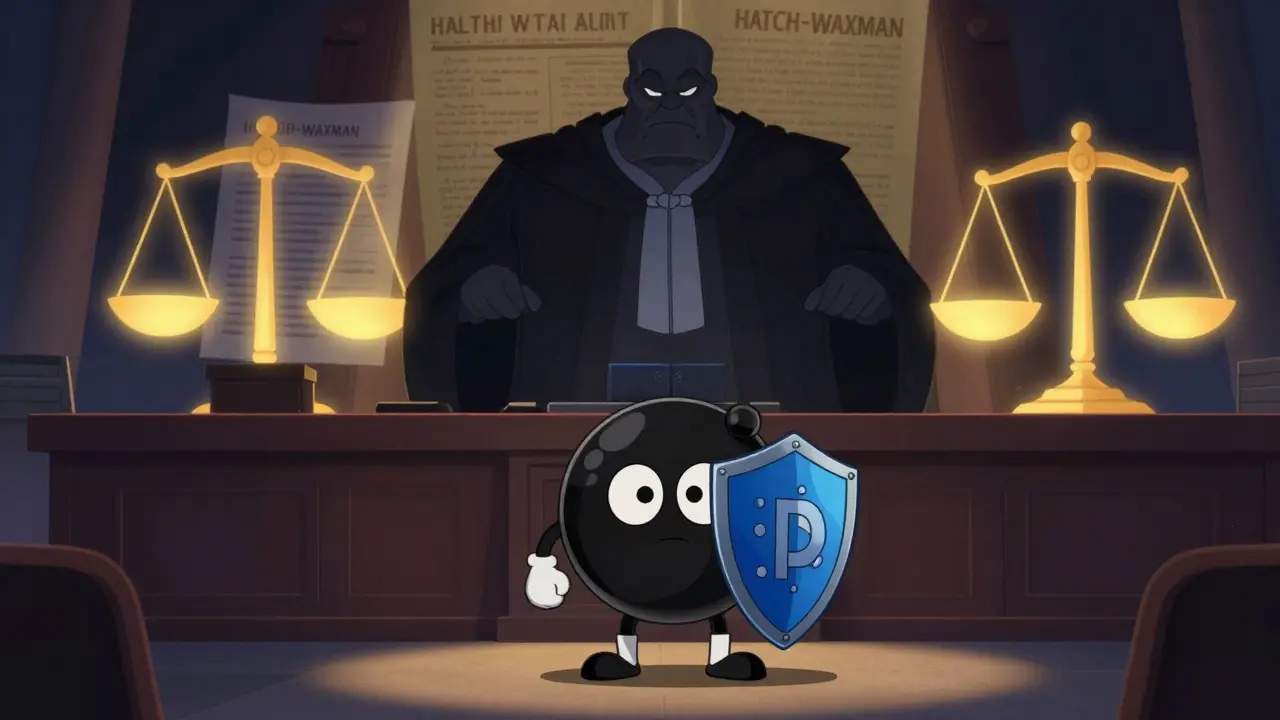
Explore how antitrust laws shape generic drug markets, impacting prices and access. Learn about Hatch-Waxman, pay-for-delay deals, and global enforcement strategies.
View more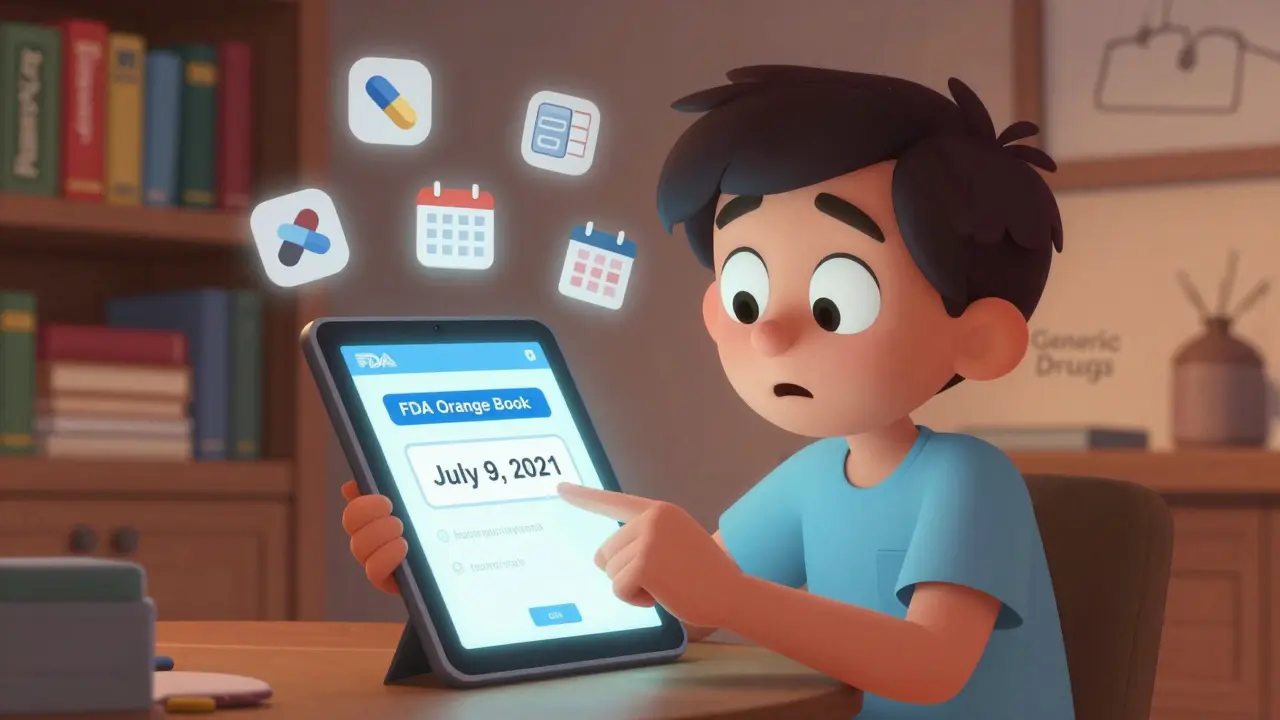
The FDA Orange Book is the official source for patent expiration dates of brand-name drugs in the U.S. Learn how to find and interpret these dates to predict when generic versions will become available.
View more
Generic substitution in workers' compensation cuts drug costs by up to 80% without reducing effectiveness. Learn how FDA-approved generics, state laws, and formularies are transforming occupational health care.
View more
Advertising for brand-name drugs influences patients to prefer expensive options over equally effective generics, driving up costs and distorting medical decisions-even when doctors know the generic is just as good.
View more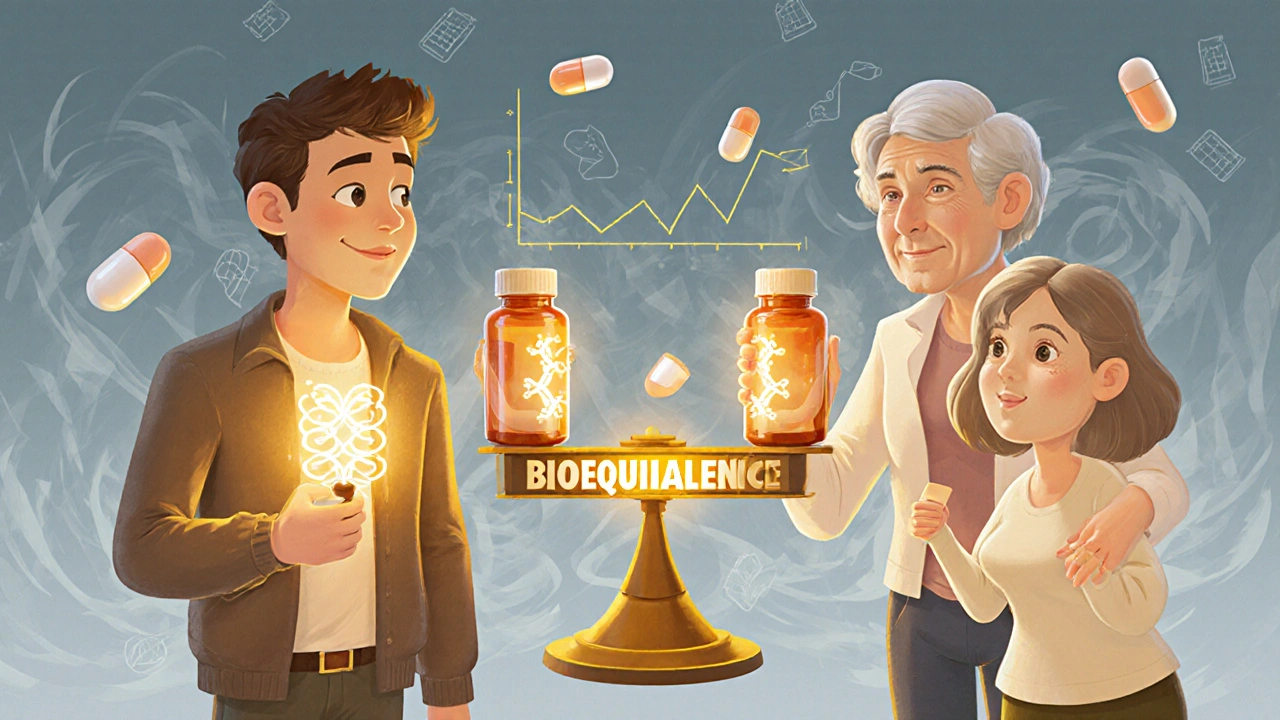
Bioequivalence studies must now account for age and sex differences to ensure generic drugs work safely for everyone. Learn how regulators are changing rules and why older adults and women are finally being included.
View more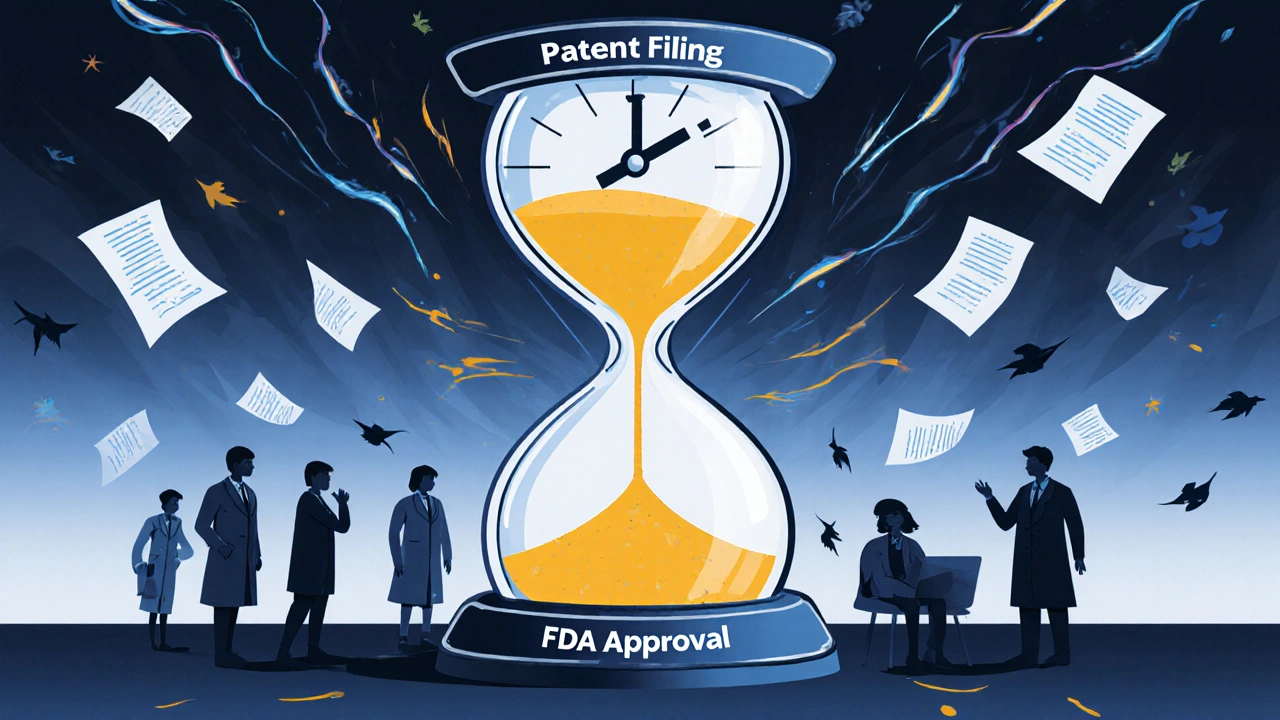
Drug patents are often said to last 20 years, but in reality, most drugs have only 7-12 years of market exclusivity due to lengthy approval times. Learn how patent extensions, regulatory exclusivity, and layered protections affect when generics become available.
View more