
Every time you touch a doorknob, pick up your phone, or help a child wipe their nose, you’re handling germs. Most of them are harmless. But a few - like norovirus, influenza, or even the virus that causes COVID-19 - can turn a normal day into a week of fever, vomiting, or worse. The good news? You don’t need fancy gadgets or expensive products to stop them. You just need to wash your hands the right way, at the right times.
Why Hand Hygiene Matters More Than You Think
Hand hygiene isn’t just about being clean. It’s about breaking the chain of infection. Think of your hands as tiny delivery trucks for germs. They pick up pathogens from surfaces, then transfer them to your eyes, nose, or mouth - or to someone else’s food, toys, or bedding. Studies show that proper handwashing reduces respiratory infections by 16-21% and gastrointestinal illnesses by 31% in homes. That’s not a small number. That’s hundreds of sick days avoided every year in an average household.
The science behind this isn’t new. Back in 1847, Dr. Ignaz Semmelweis proved that washing hands with chlorine solution cut maternal death rates in half. Today, we know the same principle applies in your kitchen, bathroom, and living room. The World Health Organization and CDC agree: hand hygiene is the single most cost-effective infection control measure available. It costs about $1.27 per person per year - less than a coffee - and saves up to $16 in medical costs for every dollar spent.
Soap and Water vs. Hand Sanitizer: What Actually Works
Not all hand cleaning is created equal. Soap and water are your first line of defense. They physically remove germs, dirt, and grease. Alcohol-based hand sanitizers are great when you’re on the go - but they’re not a replacement for washing when your hands are visibly dirty.
Here’s the breakdown:
- Soap and water works best for norovirus, C. difficile spores, and any time your hands are grimy. It removes germs mechanically, not just kills them.
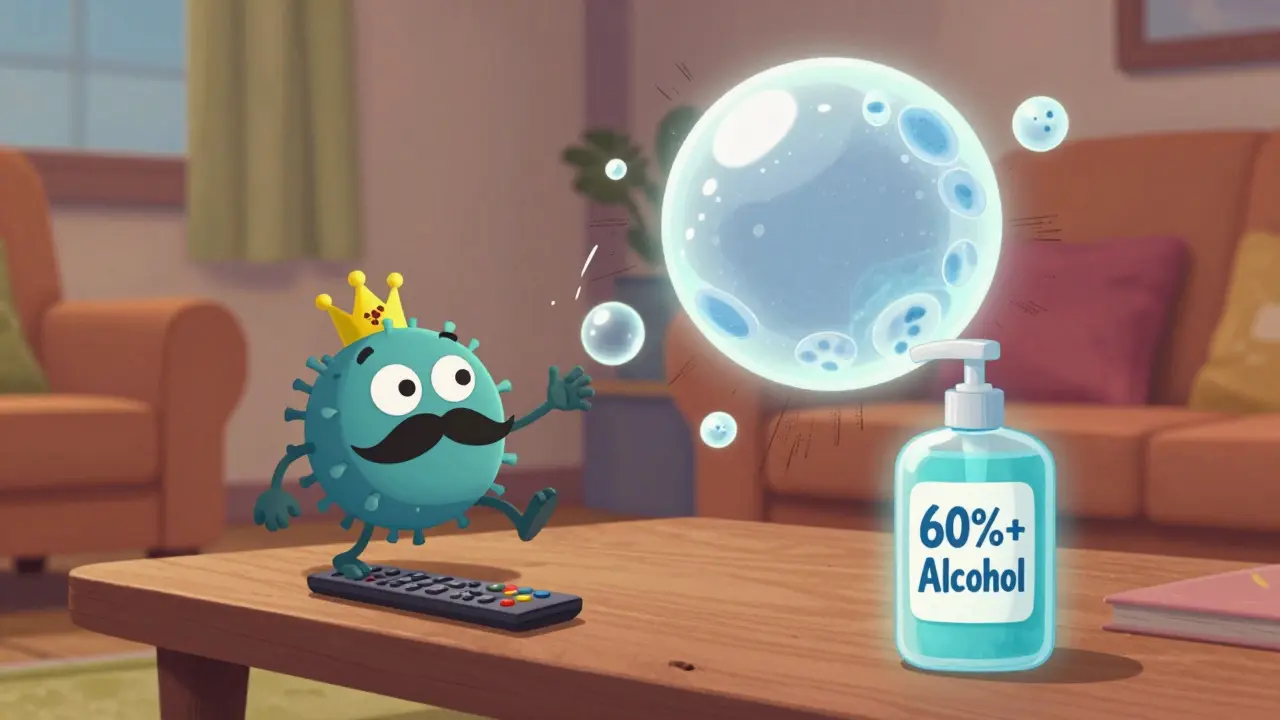
- Alcohol-based sanitizers (60-95% alcohol) kill enveloped viruses like flu and SARS-CoV-2 quickly - up to 99.99% in 15 seconds. But if your hands are sticky, greasy, or covered in food, they’re useless. Lab tests show effectiveness drops to just 12% on dirty hands.
- Antibacterial soaps with triclosan? Don’t bother. The FDA banned them in consumer soaps in 2016 because they offer no extra protection over plain soap - and may actually contribute to antibiotic resistance.
Bottom line: Wash with soap and water whenever you can. Use sanitizer only when soap isn’t available and your hands look clean.
The 6-Step Handwashing Technique (And Why Most People Get It Wrong)
Washing your hands for 20 seconds isn’t enough if you’re not covering all the spots. A 2023 NHS audit found that nearly half of households miss key areas - especially fingertips, thumbs, and between fingers. That’s where germs hide.
The WHO’s six-step technique is proven to reduce bacteria by 90% compared to simpler methods. Here’s how to do it right:
- Wet hands with clean, running water (100-108°F / 38-42°C is ideal, but cold works too).
- Apply 3-5 mL of soap (about a nickel to quarter-sized amount).
- Rub palms together.
- Rub right palm over left dorsum with interlaced fingers, then switch.
- Rub palms together with fingers interlaced.
- Rub backs of fingers to opposing palms with fingers interlocked.
- Rub each thumb clasped in the opposite hand.
- Rub fingertips against palms in a circular motion.
- Rinse thoroughly under running water.
- Dry with a single-use paper towel - air dryers leave 76% more bacteria on hands.
That’s 20-30 seconds total. If you’re not sure you’re doing it long enough, sing “Happy Birthday” twice. Or better yet, use a timer. Amazon reviews show handwashing timers with sand or digital displays help families cut colds in half. One parent reported going from six colds a year to just two after using a simple 20-second timer.
When and Where to Wash: The Critical Moments
You don’t need to wash your hands every five minutes. But there are six key moments when skipping it puts you at risk:
- After using the bathroom - This is the #1 source of fecal-oral transmission. Washing here reduces illness by 47%.
- Before preparing food - Cuts foodborne illness risk by 78%.
- After handling pets - Prevents 3.2 million zoonotic infections yearly.
- After coughing, sneezing, or blowing your nose - Stops the spread of respiratory viruses.
- Before eating - Even if your hands look clean, they’ve touched doorknobs, remotes, and phones.
- When you get home - You bring germs in from the outside. Wash right after walking in the door.
These six moments cover 90% of transmission risks in the home. Make them non-negotiable.
Common Mistakes (And How to Fix Them)
Most people think they’re washing well - but they’re not. Here are the top mistakes and how to avoid them:
- Not washing long enough - The average child washes for only 8.2 seconds. Use a timer. Set a phone alarm. Play a 20-second song.
- Missing key areas - Fingertips, thumbs, and between fingers are the most neglected. Focus on them during each wash.
- Touching the faucet after washing - 89% of people re-contaminate their hands by turning off the tap with bare hands. Use a paper towel to turn it off, or install a foot-pedal faucet ($45-$120).
- Using too little sanitizer - You need about 2.4-3 mL (a quarter-sized dollop). Most people use half that - which means germs survive.
- Using expired or diluted sanitizer - Alcohol evaporates over time. Check the label. If it’s below 60%, throw it out.
And don’t forget skin care. Frequent washing can cause dryness and cracks - which actually make it easier for germs to enter. Apply moisturizer within 3 minutes after drying. Studies show this cuts dermatitis by 62%.

Special Cases: Kids, Low-Income Homes, and Limited Water
Hand hygiene isn’t the same for everyone. Kids struggle to focus. Low-income households often lack soap or running water. And in some places, water is scarce.
For kids: Use visual aids. The Minnesota Health Department offers free 6-step posters in 24 languages. Kids who see the steps drawn out wash correctly 63% of the time - up from 28% without visuals. Turn it into a game. “Can you wash like a superhero?”
For homes without running water: The “tippy tap” - a simple, low-cost handwashing station made from a plastic bottle hung from a stick - is used in over 1.2 million households across 47 countries. It uses 90% less water and works just as well.
For healthcare workers or caregivers: If you’re washing your hands 20+ times a day, you’re at high risk for hand eczema. Use a soap with added moisturizers, and always apply cream after washing. A 2022 study found 68% of frontline workers developed dermatitis - but 62% saw improvement with post-wash moisturizing.
The Bigger Picture: Why This Isn’t Just About You
Hand hygiene isn’t a personal habit. It’s a public health tool. Dr. William Schaffner from Vanderbilt says proper handwashing prevents 1.8 million child deaths annually from diarrheal diseases worldwide. The Global Handwashing Partnership projects that if every household practiced proper hand hygiene, we could prevent 1.4 million deaths by 2030.
And it’s working. The CDC’s “Life is Better with Clean Hands” campaign boosted U.S. home handwashing compliance from 66% to 79% between 2019 and 2023. The WHO’s global initiative reached 1.2 billion people. Smart dispensers are now entering homes, tracking usage and sending reminders. Even TikTok has #HandwashingChallenge videos with millions of views.
But progress stalls when we assume everyone’s doing it right. The truth? Only 35% of households follow the full WHO technique during peak illness seasons. That’s why it matters - not just for your family, but for the people you live with, your neighbors, and your community.
Getting Started: Your 21-Day Hand Hygiene Plan
Behavioral studies show it takes 21 days to turn a new action into a habit. Here’s your simple plan:
- Week 1: Install a handwashing timer in your bathroom and kitchen. Use the WHO 6-step technique every time you wash.
- Week 2: Add hand sanitizer (60%+ alcohol) in your car, purse, and near the front door. Use only when soap isn’t available.
- Week 3: Teach one person in your household - a child, partner, or roommate - the correct technique. Make it a team effort.
- Day 21: Check your calendar. How many colds or stomach bugs have you avoided? You might be surprised.
Hand hygiene isn’t glamorous. It doesn’t require a prescription or a doctor’s visit. But it’s the most powerful shield against infection you already own. Wash your hands. Wash them right. Wash them often. Your family’s health depends on it.
Is cold water as effective as hot water for handwashing?
Yes. While warm water (100-108°F) is traditionally recommended, studies from Yale and the CDC show cold water (as low as 60°F) removes germs just as effectively. The key is soap, scrubbing, and time - not temperature. Cold water also saves energy and reduces scald risk, especially for children.
Can I use hand sanitizer instead of soap and water?
Only if your hands are not visibly dirty or greasy. Hand sanitizer kills germs but doesn’t remove dirt, grease, or harmful spores like C. difficile or norovirus. Always use soap and water after using the bathroom, before eating, or after handling pets or garbage.
Do I need antibacterial soap to kill germs?
No. Plain soap works just as well. The FDA banned triclosan and 18 other antibacterial ingredients in consumer soaps in 2016 because they offer no added benefit and may contribute to antibiotic resistance. You’re paying extra for no real protection.
How much hand sanitizer should I use?
Use about 2.4-3 mL - roughly the size of a quarter. Apply it to dry hands and rub until completely dry (at least 20 seconds). Using too little leaves germs alive. Most people use half the recommended amount.
Why do I need to dry my hands with a paper towel?
Air dryers blow germs back onto your hands and into the air. A Mayo Clinic study found paper towels reduce bacterial counts by 76% more than air dryers. Plus, you can use the towel to turn off the faucet without recontaminating your hands.
What if my family can’t afford soap or running water?
Simple solutions exist. The “tippy tap” - a bottle of water hung from a stick with a foot pedal - uses 90% less water and costs under $5 to build. Even a bucket of soapy water with a cup for pouring works. The goal is friction and soap - not running water. WHO and UNICEF support these low-cost methods in over 47 countries.

14 Comments
Vinayak Naik
Man, I never knew handwashing was this sci-fi level important. I thought soap was soap, but now I’m thinking I’ve been washing like a confused raccoon. That 6-step thing? I’m doing it while singing ‘Despacito’ now. My kids think I’m weird, but they’re washing too. No more colds since we started. 🤘
Kiran Plaha
Interesting. I’ve always washed my hands after the bathroom, but never thought about doing it right after coming home. Makes sense though - we bring in so much stuff from outside. I’ll start doing that. Thanks for the clear info.
Amy Le
Wow. Another ‘wash your hands’ lecture from the CDC. Can we please move on? We’re not in a pandemic anymore. Also, who has time to sing ‘Happy Birthday’ twice? I’ve got a job, kids, and a dog that sheds like a carpet. 😴
Pavan Vora
So, let me get this straight… cold water is just as good? But in India, we always use warm water - it feels… cleaner? Also, tippy tap? I’ve seen those in rural Kerala - brilliant, really. But do they work with hard water? I mean, lather is everything, no?
Indra Triawan
I used to wash my hands religiously… until I realized life is fleeting. Germs are just nature’s way of reminding us we’re mortal. Why fight it? I’d rather spend my 20 seconds hugging my niece than scrubbing my thumbs. She’s got germs too… but they’re love germs. 💔
Tom Swinton
This is the most important post I’ve read all year. Seriously. I used to think hand sanitizer was magic. Then I saw that study about dirty hands and 12% effectiveness - I nearly dropped my phone. I’ve been using too little, missing my thumbs, and turning off the faucet with my bare hands. I’m installing a foot pedal tonight. And I’m buying a timer. And I’m teaching my 7-year-old the WHO steps. We’re gonna be the cleanest family on the block. And if you’re not doing this? You’re not just risking your health - you’re risking everyone else’s. This isn’t optional. It’s responsibility.
Venkataramanan Viswanathan
Excellent breakdown. However, I must emphasize that the use of paper towels for drying is not universally accessible. In many parts of India, reusable cotton towels are the norm. While studies show higher bacterial retention, proper laundering - boiling or sun-drying - mitigates risk significantly. Also, soap quantity: 3–5 mL is ideal, but in low-resource settings, even a pea-sized amount, if used with proper technique, remains effective.
Kelly Beck
You guys, I just watched my 4-year-old wash her hands using the 6-step method and she did it perfectly!! 😭 I cried. I didn’t even teach her - she saw the poster I put up and just… did it. This is the kind of change that ripples. I’m buying hand sanitizer for the car, the purse, the diaper bag, the dog’s leash (yes, we sanitize after petting the dog). You’re not just protecting your family - you’re creating a culture of care. And that? That’s everything. 💕
Katie Schoen
So… you’re telling me I’ve been washing my hands like a sloth with a grudge? And that I’ve been recontaminating them by touching the faucet? 😳 I feel like I’ve been living in a germ-themed horror movie. Also, ‘tippy tap’ sounds like a new K-pop group. I’m in. 🤷♀️
Beth Templeton
Soap. Water. 20 seconds. Stop overcomplicating it.
Dana Termini
I appreciate the depth here. I’ve always been skeptical of ‘health hacks,’ but this feels grounded. The part about moisturizing after washing? That’s something my dermatologist said years ago - I ignored it. Now I’m using a cheap lanolin cream. My hands don’t crack anymore. Small change. Big difference.
Isaac Jules
Let’s be real - this whole post is a corporate wellness scam. WHO and CDC? They’re funded by soap and sanitizer companies. And ‘tippy tap’? Cute, but it’s not scalable. You’re glorifying manual labor for the poor while the rich buy $120 foot-pedal faucets. This isn’t public health - it’s virtue signaling with a side of capitalism. 🤡
Stuart Shield
Blimey, this is bloody brilliant. I used to think handwashing was just a chore - like doing the dishes. But now? I’m doing the six-step thing while listening to Oasis. ‘Wonderwall’ is exactly 20 seconds. My wife thinks I’ve lost it. I don’t care. Last week, my grandkid didn’t get the flu. I reckon that’s my fault… and my triumph. 🇬🇧
Leonard Shit
Wait… so I’ve been doing it wrong this whole time? I mean, I wash my hands… kinda. But I don’t do the thumb thing. And I use the air dryer. And I use the same towel for a week. 😬 I’m gonna change. But I might need a reminder app. And maybe a handwashing playlist. And… yeah. I’m in. Thanks for not judging me too hard.