Taking multiple medications is common-especially as we get older or manage chronic conditions like high blood pressure, diabetes, or high cholesterol. But every pill you swallow carries risk. Adverse drug reactions send over 1.3 million people to U.S. emergency rooms each year, and nearly 350,000 end up hospitalized because of them. The problem isn’t just the drugs themselves-it’s how we live while taking them.
Why Lifestyle Changes Matter More Than You Think
Medications treat symptoms. Lifestyle changes fix the root cause. That’s the big difference. Take high blood pressure. A single pill might lower your reading by 10 points. But if you cut your salt intake, walk 30 minutes three times a week, and lose 5% of your body weight, you can lower it just as much-without the side effects like dizziness, fatigue, or kidney strain. And you won’t need as many pills over time. A 2023 review of 247 studies involving over 3.4 million people found that people who made consistent lifestyle changes reduced their need for medications by 25% to 50% for conditions like hypertension, type 2 diabetes, and high cholesterol. That’s not a guess. That’s science. The real danger? Polypharmacy-taking five or more medications at once. That’s when the risk of bad reactions jumps by 300%. And it’s not because the drugs are bad. It’s because your body is overloaded. Lifestyle changes reduce that overload.Three Lifestyle Changes That Cut Medication Needs
1. Move more-even a little You don’t need to run marathons. You just need to move regularly. Brisk walking for 30 minutes, three days a week, makes your heart stronger. A stronger heart doesn’t have to work as hard. That means lower blood pressure. In some cases, people have been able to stop one blood pressure pill entirely after sticking with this routine for six months. The American Heart Association recommends 150 minutes of moderate exercise per week. That’s 30 minutes, five days a week. But even 10 minutes a day helps if you’re just starting. The key is consistency. Do it every day, even if it’s just around the block. 2. Eat smarter-not harder What you eat directly affects how well your meds work-and how many you need. For high blood pressure: The DASH diet (Dietary Approaches to Stop Hypertension) works as well as a single medication. It means eating more vegetables, fruits, whole grains, and lean proteins-and cutting back on salt. Reducing sodium from 3,500 mg to 1,500 mg a day can drop your blood pressure by 11/5 mm Hg. That’s the same as a common prescription. For type 2 diabetes: A diet rich in fiber, healthy fats, and low-glycemic foods can bring blood sugar down as effectively as metformin. Losing just 5-7% of your body weight cuts your need for diabetes meds by up to 60% if you’re prediabetic, and by 40% if you already have the condition. But watch out. Some healthy foods interfere with meds. Grapefruit ruins the effect of 85% of statins. Leafy greens like spinach and kale can make blood thinners like warfarin less effective. Dairy can block antibiotics. Talk to your pharmacist before changing your diet. Don’t assume ‘healthy’ means ‘safe with my pills.’ 3. Sleep like your life depends on it-because it does Most adults need 7 to 9 hours of sleep every night. But if you’re consistently getting less, you’re increasing your risk for high blood pressure, diabetes, and obesity-all conditions that require more meds. Poor sleep raises stress hormones like cortisol. That spikes blood sugar and blood pressure. It also makes you hungrier, especially for carbs and sugar. That’s a one-way ticket to needing more insulin or diabetes pills. Try this: Go to bed and wake up at the same time every day-even on weekends. Turn off screens an hour before bed. Keep your room cool and dark. If you’re still struggling, talk to your doctor. Sleep isn’t a luxury. It’s medicine.What Happens When You Combine Lifestyle Changes With Medication
The best results don’t come from choosing between pills and lifestyle. They come from using both. A 2023 study led by Dr. Xuan-Mai Nguyen at the VA showed that people with type 2 diabetes who took GLP-1 receptor agonist drugs and followed six healthy habits-eating well, moving daily, sleeping enough, not smoking, limiting alcohol, and managing stress-cut their risk of heart attack and stroke nearly in half compared to those who only took the drug. The drug helped. But the lifestyle made the difference. Dr. Rob Shmerling from Harvard Health put it simply: Medications should be in addition to lifestyle changes, not instead of them. Too many people think, ‘I’m on a statin, so I can eat whatever I want.’ That’s dangerous. The pill masks the damage-but doesn’t stop it.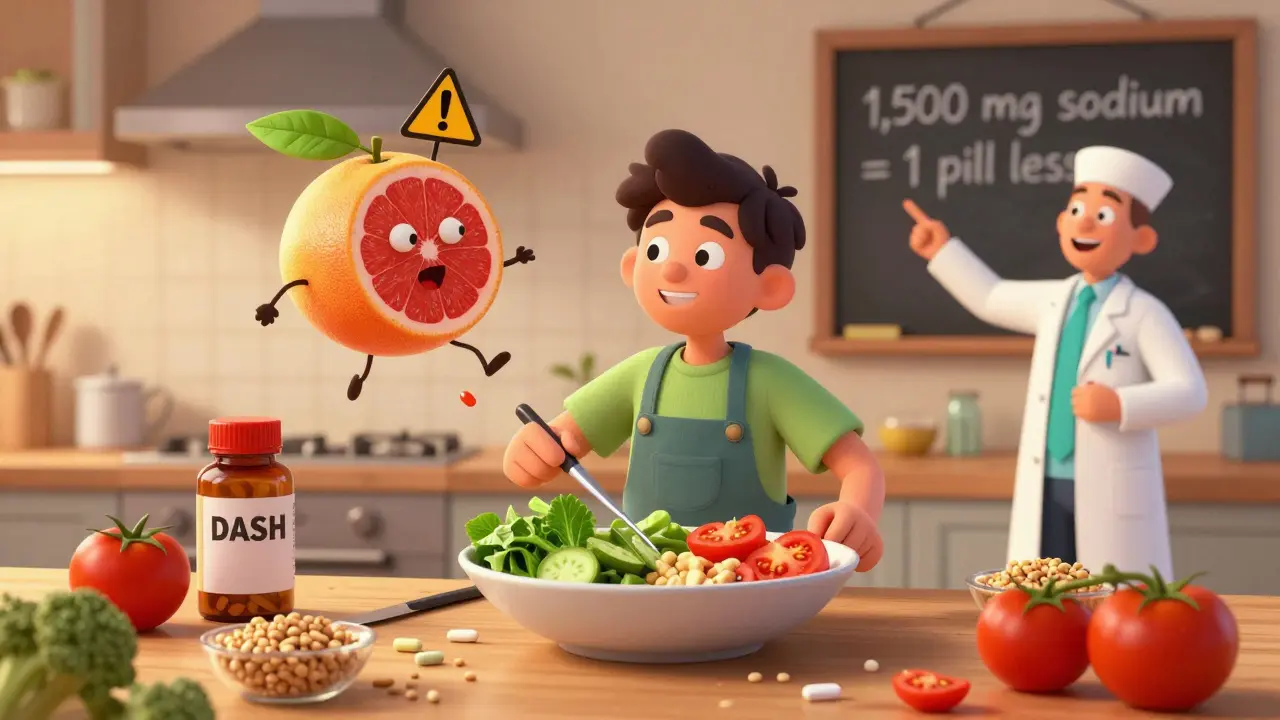
How Long Until You See Results?
This isn’t magic. It’s biology. You won’t wake up one morning and suddenly need less medication. It takes time. - Dietary changes: 4-6 weeks to form habits. 8-12 weeks to see measurable blood pressure or sugar improvements. - Exercise: 8-12 weeks to strengthen your heart and muscles enough to lower readings. - Sleep: Improvements in blood pressure and insulin sensitivity can show up in 2-4 weeks. That’s slower than a pill. But it’s safer. And it lasts.Real People, Real Results
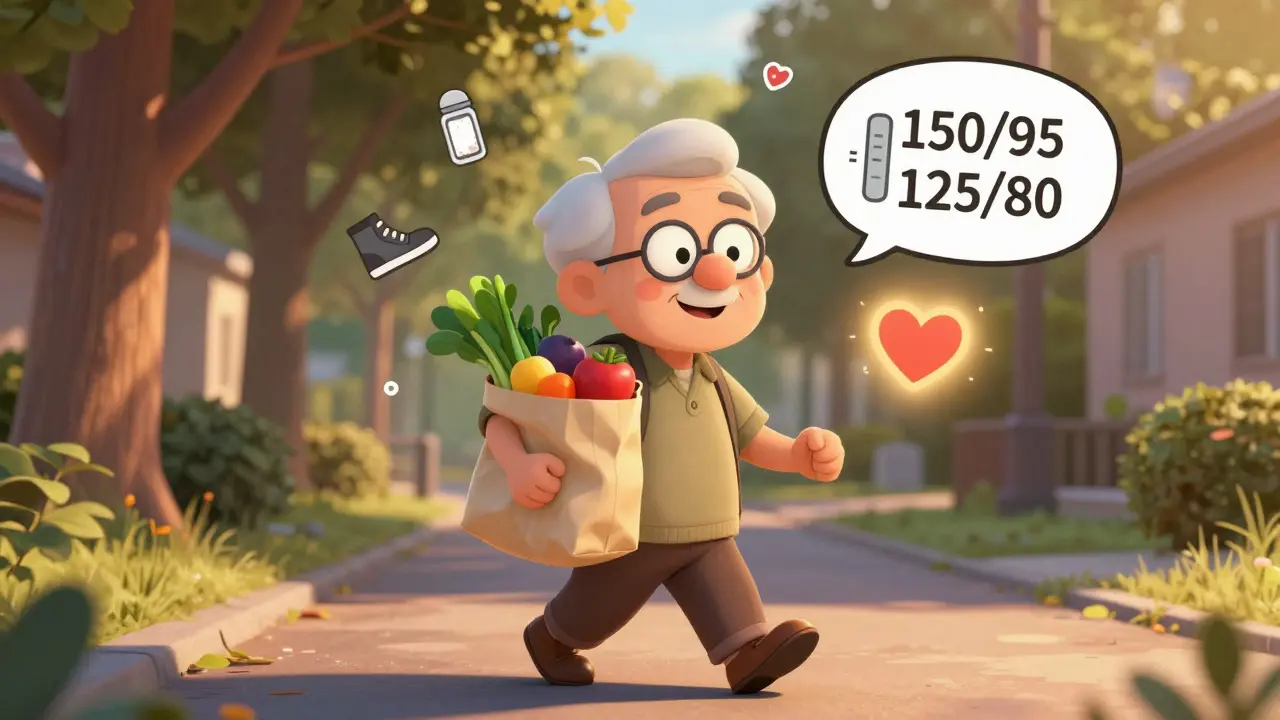
One person on Reddit, who goes by ‘HypertensionWarrior,’ dropped their blood pressure from 150/95 to 125/80 in six months by walking daily and cutting salt. Their doctor took them off one pill. Another, ‘DiabetesJourney,’ said the hardest part wasn’t the food-it was the loneliness. Eating differently than your family, saying no to birthday cake, avoiding takeout-it’s isolating. But they kept going. Now they’re down from three diabetes meds to one. A 2023 American Heart Association survey of 2,400 people with chronic conditions found that 68% felt better, had more energy, and slept better after making lifestyle changes. Only 32% said they couldn’t stick with it. The difference? Those who succeeded had support. They didn’t go it alone.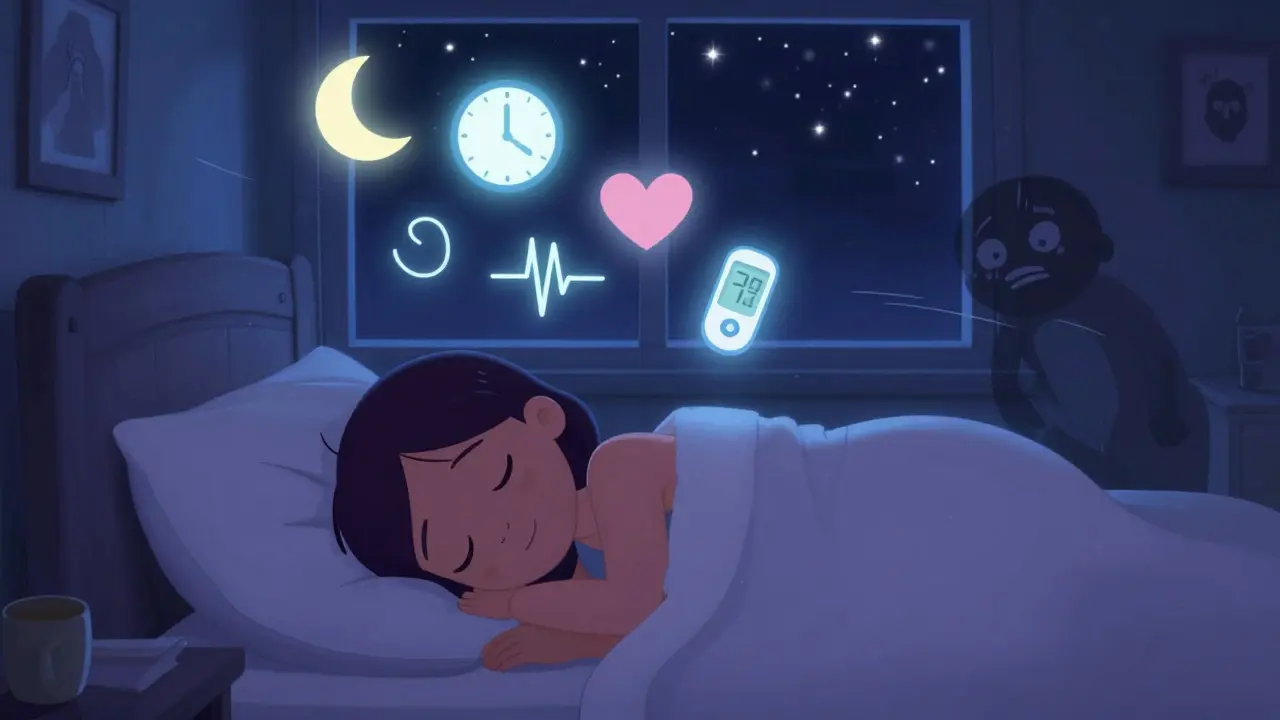
How to Start-Without Overwhelming Yourself
Don’t try to change everything at once. Pick one thing. Master it. Then add the next. Step 1: Talk to your doctor. Don’t stop or change any meds on your own. That’s dangerous. Ask: ‘Can we monitor my progress with lifestyle changes? Could I reduce a dose in a few months?’ Step 2: Pick one habit. Start with walking. Or cutting salt. Or going to bed 30 minutes earlier. Make it small. Do it every day for two weeks. Step 3: Track it. Use a notebook or a free app. Write down what you ate, how much you walked, how you slept. Seeing progress keeps you going. Step 4: Get help. Talk to your pharmacist about food-drug interactions. Ask your doctor about a referral to a lifestyle medicine program. Many hospitals and clinics now offer them. Medicare Advantage plans even cover some. Step 5: Celebrate small wins. You didn’t take your blood pressure pill today because your reading was good? That’s progress. You walked five days in a row? That’s a win. Don’t wait for the big moment. Reward yourself for showing up.What to Avoid
- Don’t quit meds cold turkey. Even if you feel better. Your body adapted to them. Stopping suddenly can cause rebound high blood pressure, heart rhythm problems, or seizures. - Don’t believe online ‘miracle cures.’ No supplement replaces exercise, sleep, or a real diet. - Don’t compare your progress to someone else’s. Your body, your meds, your journey. - Don’t wait until you feel sick to act. The best time to change is now-even if you’re feeling fine.The Bigger Picture
This isn’t just about taking fewer pills. It’s about living better. The American College of Lifestyle Medicine has grown to over 12,000 certified practitioners since 2004. Employers are saving money-up to 18.7% on chronic disease costs-by helping workers eat better and move more. The FDA now requires lifestyle data for new drug approvals. Medicare is paying for it. We’re moving toward a future where your doctor doesn’t just write you a prescription-they help you build a life that doesn’t need as many. By 2030, experts predict 60% of chronic disease care will include structured lifestyle programs. That’s not a trend. That’s the new standard. You don’t have to wait for that future. You can start living it today.Can lifestyle changes really replace medication?
Lifestyle changes can reduce the need for medication-sometimes significantly-but they should not replace them without your doctor’s approval. Medications often act quickly, while lifestyle changes take weeks or months to show results. The goal is to use both together, so you can eventually lower doses safely under medical supervision.
How long does it take for lifestyle changes to lower blood pressure or blood sugar?
You’ll start seeing small improvements in 2-4 weeks, but measurable, lasting changes usually take 8-12 weeks of consistent effort. For example, walking 30 minutes three times a week and cutting salt can lower blood pressure by 10-15 points in three months. Weight loss and improved insulin sensitivity follow a similar timeline.
What foods should I avoid when taking medication?
Grapefruit interferes with 85% of statins and some blood pressure meds. Leafy greens like spinach and kale can reduce the effect of warfarin. Dairy can block absorption of antibiotics like tetracycline. Always check with your pharmacist before making big dietary changes-even healthy ones.
Is it safe to reduce my medication dose on my own?
No. Never stop or reduce a medication without talking to your doctor. Even if you feel better, your body may still need the drug. Abruptly stopping blood pressure, diabetes, or antidepressant meds can cause serious rebound effects, including heart attack, stroke, or seizures.
Do I need to exercise intensely to see results?
No. You don’t need to run or lift heavy weights. Brisk walking, gardening, swimming, or dancing for 30 minutes, three to five times a week, is enough to improve heart health and lower blood pressure. The key is consistency, not intensity.
Can stress affect how well my medications work?
Yes. Chronic stress raises cortisol, which increases blood pressure and blood sugar. It can also make you more likely to skip meds or eat poorly. Managing stress through walking, breathing exercises, or meditation can improve how well your medications work and reduce your overall need for them.
Are there programs that help people make these changes?
Yes. Many hospitals, clinics, and community centers offer lifestyle medicine programs led by certified professionals. Medicare Advantage plans now cover some of these. Ask your doctor for a referral. Digital tools that track sleep, food, and movement can also improve success rates by nearly 50%.



9 Comments
Anthony Massirman
Finally someone says it straight - pills aren’t magic, they’re bandaids on a burning house. I cut my salt, walked 20 mins daily, and dropped two meds in 4 months. No hype. Just facts.
Stop blaming the drugs. Start blaming your couch.
Gary Mitts
So let me get this straight - if I just stop eating pizza and walk around Target for 30 minutes I can ditch my statin?
My doctor’s gonna love that. Probably write me a prescription for a treadmill next.
clarissa sulio
This is why America’s healthcare is broken. We’d rather slap a pill on a problem than make people actually work for their health. No wonder we’re the sickest rich country on earth.
Bridget Molokomme
Y’all are acting like this is some revolutionary idea. My grandma in 1978 ate homegrown veggies, walked to church, and slept like a baby - and she never took a single pill for blood pressure. We just forgot how to be human.
Monica Slypig
Look I get it you wanna be healthy but dont you think its kinda ridiculous to think a 65 year old with 3 chronic conditions is gonna start walking 30 min a day because some blog says so
also grapefruit is banned in 3 states for a reason
Becky M.
My mom started doing this last year after her heart scare. She didn’t quit meds - she just added walks, sleep, and stopped drinking soda. Now she’s got more energy than me.
It’s not about being perfect. It’s about showing up. Even if it’s just 10 minutes.
Also - yes your pharmacist is your secret weapon. Talk to them. They know way more than your doctor does about what’s in your cabinet.
jay patel
As someone from India where our grandparents lived on dal rice and walked 8 km to work every day - this is not new information. This is how humans lived for 10,000 years before Big Pharma convinced us that pain is a product and sleep is a luxury.
Now we pay $200 for a pill to fix what a 20 minute walk and 7 hours of sleep could’ve fixed for free.
And don’t even get me started on how our healthcare system rewards sickness over health. It’s not broken - it’s designed this way.
But here’s the thing - you don’t need to be perfect. Just better than yesterday. One less soda. One more flight of stairs. One earlier bedtime.
And yes - grapefruit is a nightmare with statins. I learned that the hard way after my kidneys screamed at me for 3 days. Never again.
Ansley Mayson
68% felt better? Wow. That leaves 32% who didn’t. Guess they’re just lazy.
Also where’s the data on people who tried and failed? Oh right - they don’t post on Reddit.
Hannah Gliane
So you’re telling me I can’t have my cake and my metformin too? 😔
Also I’ve been ‘eating clean’ for 6 months and my BP is still 145/92. So congrats on your 10% success rate. Meanwhile I’m stuck on 4 meds and a guilt trip. 🙃
Maybe the real problem isn’t my lifestyle - it’s that my body hates me.