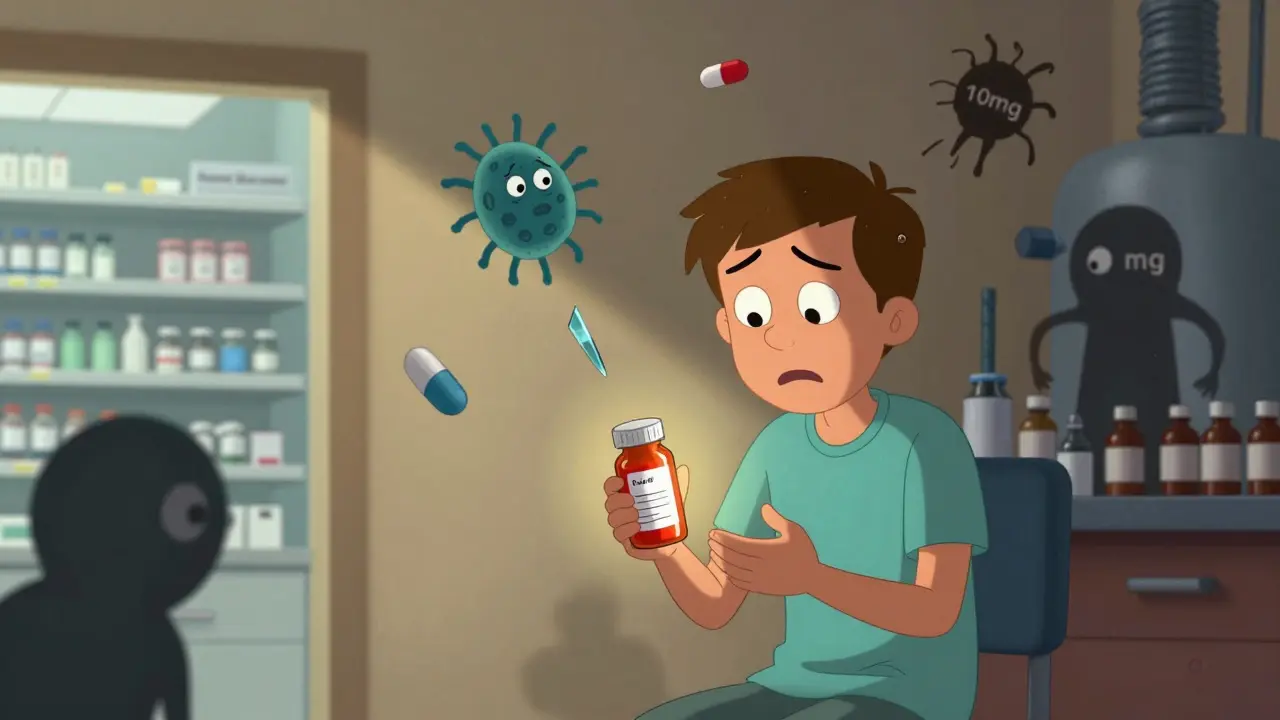
When you pick up a bottle of generic lisinopril or metformin, you expect it to work just like the brand-name version. You don’t think about where it was made, how it was tested, or whether a single batch could be contaminated. But every year, hundreds of these everyday medicines are pulled from shelves-not because they’re ineffective, but because they’re dangerous. In 2024 alone, the FDA issued 347 drug recalls, and nearly 9 out of 10 of them involved real health risks. Most of these weren’t random accidents. They were the result of broken systems, ignored warnings, and manufacturing failures that slipped through cracks in oversight.
What Actually Causes a Generic Drug to Be Recalled?
- Sterility failures - This is the biggest red flag. If a pill or injection isn’t sterile, bacteria or fungi can grow inside it. In 2024, 37% of all recalls were linked to this. Think of it like a spoiled can of soup, but inside your bloodstream. One case in 2024 involved potassium chloride injections labeled with the wrong dosage. Patients got double the amount they were supposed to, and some died.
- Contamination with particles - Tiny bits of glass, metal, or plastic found in liquid medications. These don’t dissolve. They travel through veins and can block small blood vessels. This accounted for 12% of recalls.
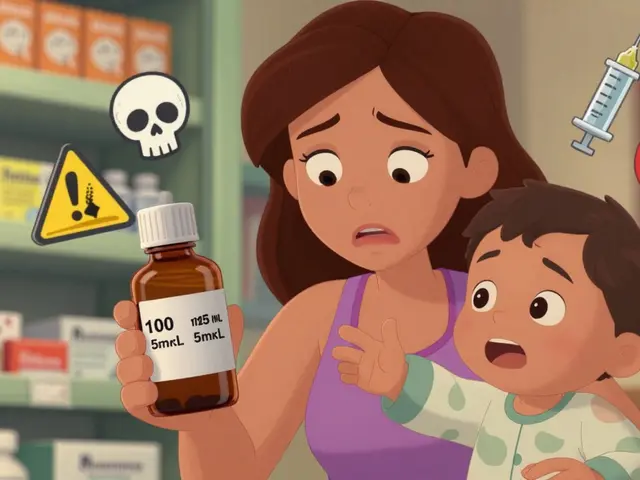
- Labeling errors - A pill labeled as 10 mg when it’s actually 50 mg. Or a bottle that says “for oral use” but contains an injection. These mistakes happen when labels are printed in a different country, with poor quality control. This was the trigger in 9% of recalls.
- Wrong active ingredient strength - Too little medicine means the drug won’t work. Too much can overdose you. This happened in a 2025 recall of generic hydroxyzine from Glenmark Pharmaceuticals, where some batches had 20% less than labeled.
- CGMP violations - This stands for Current Good Manufacturing Practices. It’s not just paperwork. It’s about clean rooms, filtered air, water purity, and trained staff. If a factory’s air has more than 10 colony-forming units of microbes per cubic meter, or if the water used to make the drug has endotoxins above 0.25 EU/mL, the product is unsafe. Glenmark’s Indian facility had these violations for years before anyone noticed.
Why Do These Problems Keep Happening?
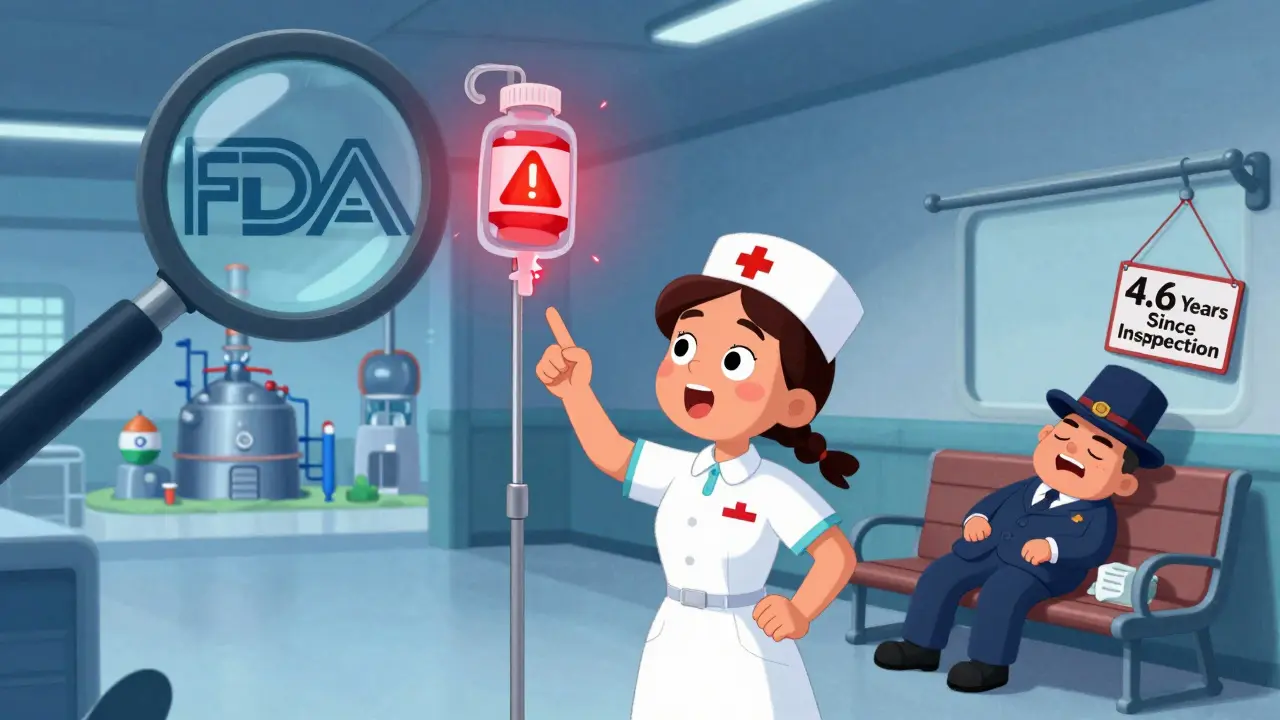
Most generic drugs sold in the U.S. come from factories overseas. About 80% of the active ingredients are made in India and China. That’s not bad by itself. But here’s the problem: the FDA inspects U.S. factories every 1.8 years on average. Foreign factories? Once every 4.6 years. In some cases, like Glenmark’s facility in India, inspectors hadn’t set foot inside in over four years. Meanwhile, the company was shipping out millions of pills.The system relies on companies to report problems themselves. The FDA can’t force a recall - it can only ask. And companies don’t always act fast. In the U.S., it takes an average of 42 days from when a problem is found to when the public is warned. In Europe, where regulators can order recalls outright, it’s 18 days.
Dr. Peter Lurie, former FDA official and now at the Center for Science in the Public Interest, put it bluntly: “We’re trusting factories on the other side of the world to police themselves, while our inspectors are stretched thin.”
How Are Recalls Classified - And Why It Matters
The FDA doesn’t treat all recalls the same. They’re ranked by risk:- Class I - Highest risk. Could cause serious injury or death. In 2024, 55% of recalls fell into this category. The potassium chloride mislabeling? Class I.
- Class II - Might cause temporary or reversible harm. About 32% of recalls. This includes under-dosed or over-dosed pills that won’t kill you but could make your condition worse.
- Class III - Unlikely to cause harm, but violates rules. Maybe the label is slightly wrong, or the packaging is damaged. Only 13% of recalls. These rarely make headlines.
Class I and II recalls are the ones that should scare you. They’re not just paperwork. They’re emergencies.
Who Notices These Problems First?
It’s rarely the FDA. Often, it’s someone on the front lines:- A nurse in an ICU notices a patient having a seizure after getting a potassium injection.
- A pharmacist sees two different bottles of the same drug with different colors and calls the manufacturer.
- A patient complains online about a pill that looks different - and it turns out the batch was mislabeled.
On Reddit, one nurse wrote: “I had to call 127 patients who got the recalled hydroxyzine. Only 38 had symptoms. But 100% were terrified.”
The FDA’s MedWatch program lets anyone report bad reactions - but only 3.2% of patients ever do. Most don’t know how. Or they think it won’t matter.
What Happens When a Recall Is Issued?
Once the FDA gets the signal, the process starts:- The manufacturer issues a recall notice - usually on the FDA’s website.
- Hospitals and pharmacies get the alert. They’re supposed to check their inventory and pull the affected lots.
- They notify patients. But here’s the problem: only 12% of patients get direct contact from their pharmacy or doctor.
- The rest are left to check the FDA’s Enforcement Reports database themselves - if they know it exists.
Most people don’t know their medication has been recalled until they see a news headline or a pharmacist says, “We can’t fill that prescription anymore.”
And even when they do know, many panic. A 2025 AARP survey found 78% of people stopped taking their recalled medicine immediately - even though the FDA says to talk to your doctor first. Stopping blood pressure or seizure meds cold turkey can be deadly.
What’s Being Done to Fix This?
There are signs of change:- More inspections - Starting in 2025, the FDA will inspect high-risk foreign factories every year instead of every 4.6 years.
- New laws - The Pharmaceutical Supply Chain Security Act, introduced in May 2025, will require foreign manufacturers to share real-time quality data.
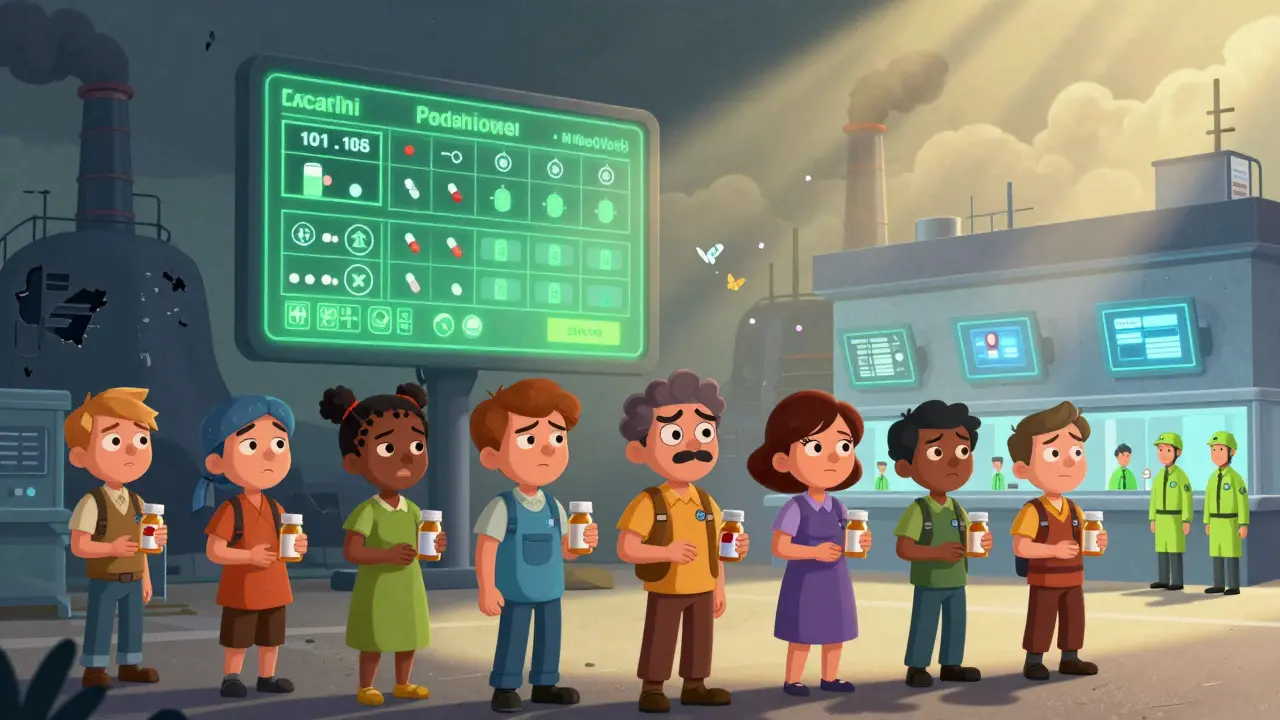
- Technology - Some companies are starting to use blockchain to track pills from factory to pharmacy. That could cut recall response time from days to hours.
- AI tools - The FDA has allocated $47 million to build predictive software that flags factories likely to fail before a recall even happens.
But here’s the catch: the FDA’s budget only covers 17% of the inspections it says it needs. The Government Accountability Office says the U.S. is underfunded by $780 million a year to properly monitor the global drug supply.
What You Can Do
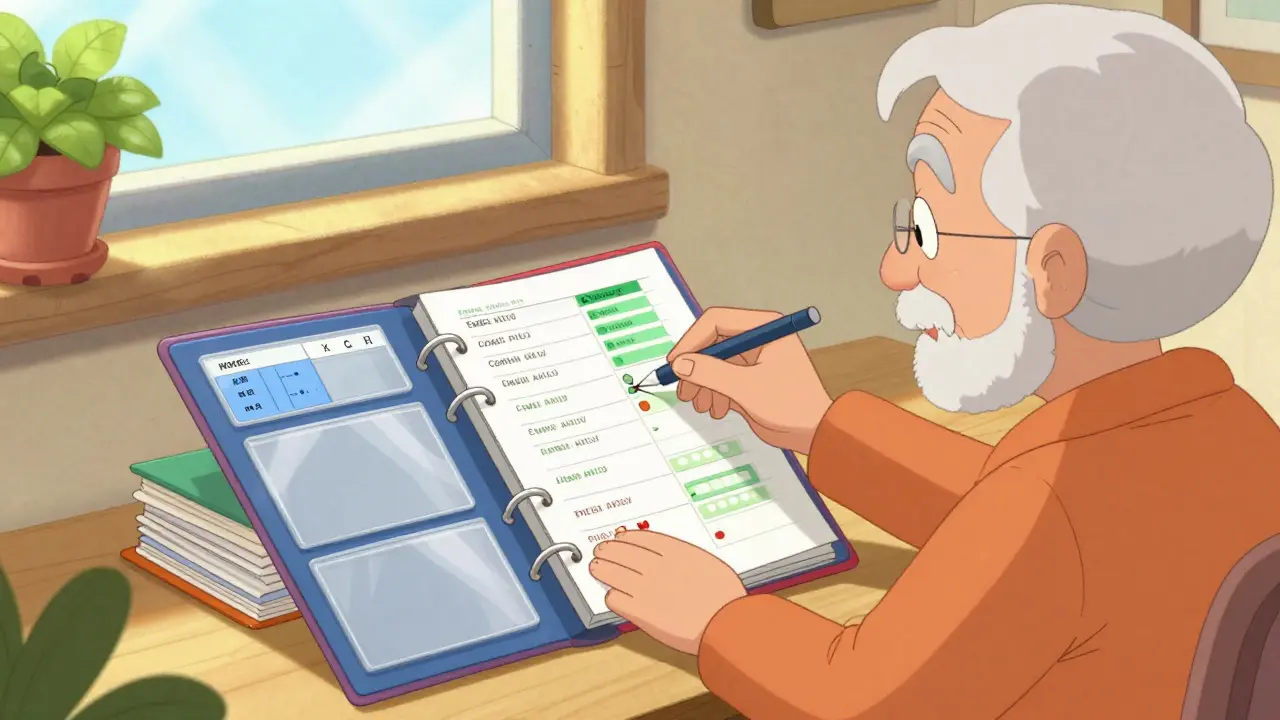
You can’t control what’s made in a factory in India. But you can protect yourself:- Check your pills - If your generic medication looks different (color, shape, markings), ask your pharmacist. It might be a new batch - or it might be a recall.
- Know your lot number - It’s on the bottle. If there’s a recall, you can match it.
- Sign up for FDA alerts - Go to fda.gov/medwatch and subscribe to email notifications.
- Don’t stop your meds without talking to your doctor - Even if your drug is recalled, your condition might be more dangerous than the risk.
- Report bad reactions - If you feel something’s wrong, file a report at MedWatch. It takes five minutes. It could save someone’s life.
Why This Isn’t Just About Generic Drugs
It’s easy to think, “I only take generics - so this doesn’t affect me.” But here’s the truth: most brand-name drugs also use ingredients made overseas. The same factories. The same inspection gaps. The same risks. The difference? Brand-name companies often have more resources to fix problems fast. Generic makers? They’re under pressure to sell cheaper. And that pressure can lead to corners being cut.Dr. Paul Knoepfler, a cell biology professor at UC Davis, says: “CGMP violations aren’t accidents. They’re symptoms of a broken culture. If a company doesn’t care enough to test its water or clean its air, it’s not just risking a recall - it’s risking lives.”
The Bottom Line
Generic drugs are safe - most of the time. They’re also essential. They save the U.S. healthcare system billions every year. But the system that keeps them safe is outdated, underfunded, and overly reliant on trust. The recalls we see today aren’t the tip of the iceberg. They’re the warning signs.Every recall is a failure - not of the patient, not of the pharmacist, but of the system designed to protect you. And until inspections catch up to globalization, until manufacturers are held accountable faster, and until patients are informed clearly and directly, the next dangerous batch is already on its way.
Stay informed. Stay alert. Don’t assume your medicine is safe - check it.
What should I do if my medication is recalled?
Don’t stop taking it right away unless your doctor says so. Call your pharmacy or prescriber. They’ll tell you if you got the affected batch and what to do next. If you have symptoms like dizziness, chest pain, or unusual bleeding, seek medical help immediately. Keep the bottle - you may need the lot number for reporting.
How do I find out if my drug has been recalled?
Check the FDA’s Enforcement Reports page at fda.gov/Drugs/DrugSafety/Recalls. You can search by drug name, manufacturer, or lot number. You can also sign up for email alerts. Pharmacies don’t always notify patients, so don’t wait for them to reach out.
Are generic drugs less safe than brand-name drugs?
No - when they’re made correctly, generics are just as safe and effective. The FDA requires them to meet the same standards. But the risk comes from manufacturing, not the drug itself. Many brand-name and generic drugs come from the same factories. The difference is in oversight and how quickly problems are caught.
Why do recalls happen more often with generic drugs?
It’s not that generics are inherently riskier. It’s that the generic market is more fragmented. There are hundreds of small manufacturers competing on price. Some cut corners on quality control to save money. Also, many generics are made overseas, where inspections are rare. In 2024, Indian manufacturers accounted for 34% of all generic recalls, even though they make only 20% of U.S. generics - meaning their failure rate is higher.
Can I trust the FDA to keep me safe?
The FDA does its best with limited resources. But its inspection system is outdated. It can’t check every factory, and it can’t force recalls. You can’t rely on them alone. Use their tools - like the recall database - but take responsibility for your own safety. Check your pills. Ask questions. Report problems. The system needs you to be part of the solution.
If you take any medication - generic or brand - you have the right to know if it’s safe. Don’t wait for someone else to tell you. Check. Ask. Act.

8 Comments
Nina Stacey
I’ve been taking generic metformin for 8 years and never had an issue but after reading this I checked my bottle and holy crap the pill looks different than last month
Turns out it was a new batch but now I’m paranoid every time I refill
I signed up for FDA alerts today and I’m telling all my diabetic friends to do the same
It’s scary how little we’re told and how much we just trust
But hey at least I’m not dying from it yet right?
Also I think my pharmacist noticed I was confused and gave me a free sample of the old version just in case
That’s the kind of care we need more of not just warnings after people get hurt
Kevin Motta Top
Generic drugs save lives and money. The system’s broken, but the drugs aren’t the problem.
Janelle Moore
Did you know the FDA is secretly controlled by Big Pharma and they let bad drugs in on purpose so people keep getting sick and buying more
They even poison the water in India to make sure the factories can’t make clean pills
And the lot numbers are coded to track you through your phone
I saw a guy on YouTube who hacked one and it lit up his smart fridge
They’re using your meds to build a global surveillance network
Also the pink pill you take is actually a microchip from China that sends your blood pressure to Beijing every hour
Wake up people
Henry Marcus
This isn’t just a recall-it’s a full-blown pharmaceutical coup!
They’ve been dumping toxic sludge into our meds like it’s a damn industrial dumping ground!
And don’t get me started on the ‘inspections’-they’re theater! A guy in a lab coat takes a selfie with a vial and calls it a day!
Meanwhile, real people are dropping like flies while CEOs sip champagne in Mumbai and cash in on our suffering!
It’s not incompetence-it’s malice wrapped in a white coat!
And the FDA? They’re just the janitors cleaning up the mess after the party’s over!
Someone needs to burn the whole system down and start from scratch-with drones and DNA trackers on every pill!
And if you’re still taking generics without a Geiger counter? You’re either brave or suicidal.
Isabel Rábago
People need to stop being lazy and take responsibility for their own health
It’s not rocket science to check a pill or look up a recall
Yet here we are, letting corporations and bureaucrats handle everything while we scroll TikTok
And then we cry when something goes wrong
It’s not the FDA’s fault you don’t read the label
It’s not the manufacturer’s fault you didn’t ask questions
It’s YOUR fault for assuming someone else is watching out for you
Wake up. Your life is not a passive experience.
Matt Davies
Brilliant breakdown. I’m from the UK and we’ve got our own mess with generics-same factories, same gaps
But here, if a recall hits, the NHS texts you within hours
No waiting. No database hunting. Just a message: ‘Don’t take this batch’
Why can’t we do that in the US?
It’s not about money-it’s about willpower
And frankly, I’m tired of being treated like a data point in a cost-cutting spreadsheet
Mike Rengifo
My grandma got the recalled potassium chloride last year
She didn’t even know until her cardiologist called her out of the blue
She was fine, but scared to death
She’s 82, doesn’t use email, doesn’t know what FDA stands for
And somehow, she’s still alive because her doctor cared enough to call
That’s the real system right there-not the database, not the alerts
It’s the person who picks up the phone
So maybe the fix isn’t more tech
It’s more humans
Dev Sawner
It is regrettable that the regulatory framework in the United States exhibits significant structural deficiencies in relation to pharmaceutical oversight. The Indian manufacturing sector adheres to stringent international standards, including ISO 13485 and WHO-GMP, and maintains a compliance rate exceeding 92% as per the latest WHO audit report. The disproportionate focus on Indian facilities is not only factually inaccurate but also constitutes a form of economic bias. Furthermore, the FDA’s inspection cadence is determined by risk-based prioritization, not negligence. To suggest systemic malfeasance is to ignore the fact that over 1.2 billion generic prescriptions are filled annually in the U.S. with an adverse event rate of less than 0.003%. The narrative presented herein is emotionally charged and statistically misleading. The real issue is not manufacturing-it is public misinformation.