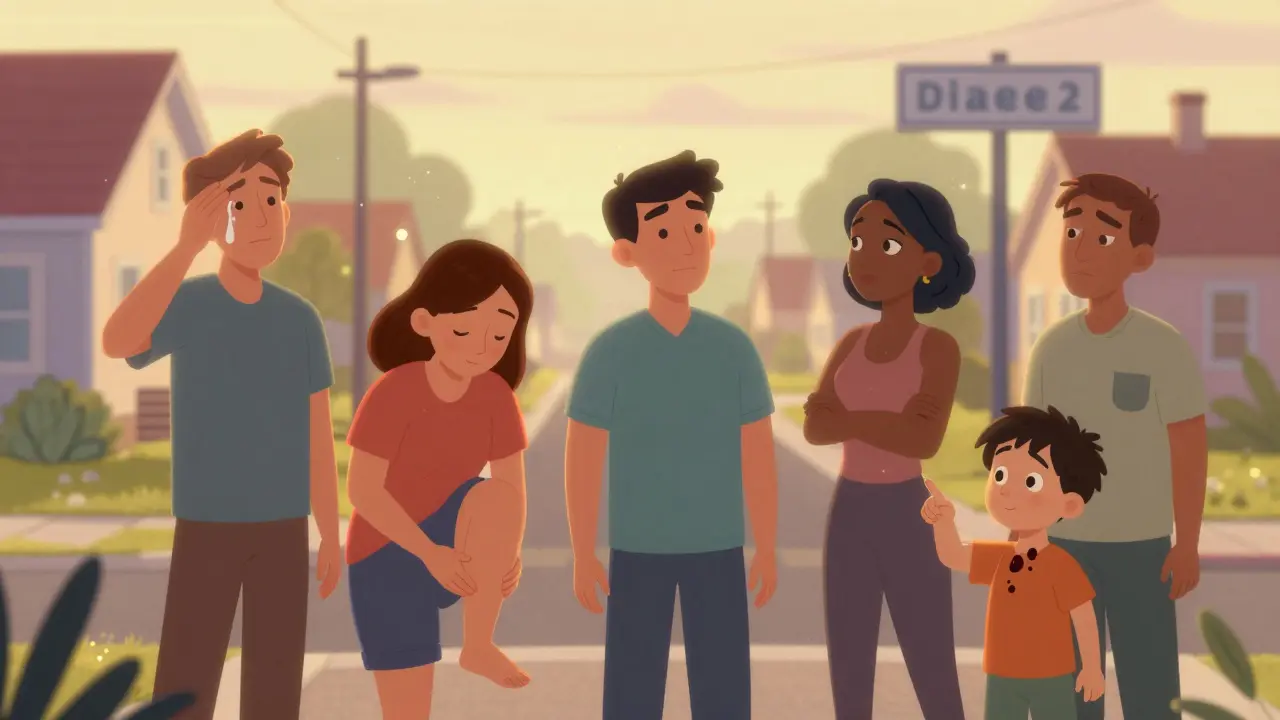
Many people don’t realize they have type 2 diabetes until something serious happens-a heart attack, a foot ulcer, or a routine blood test that spikes red flags. It’s quiet, slow, and sneaky. By the time symptoms show up, the damage might already be underway. But here’s the truth: type 2 diabetes isn’t a life sentence. With the right understanding and action, it can be managed, slowed, and sometimes even reversed.
What Actually Happens in Type 2 Diabetes?
Your body uses insulin to move sugar from your blood into your cells for energy. In type 2 diabetes, two things go wrong. First, your cells stop responding well to insulin-that’s called insulin resistance. Then, over time, your pancreas gets tired and can’t make enough insulin to keep up. Blood sugar rises, and it doesn’t come down.
This isn’t just about eating too much sugar. It’s about how your body handles fuel over years. Obesity is the biggest driver-people with a BMI over 30 are 80 times more likely to develop it than those with a BMI under 22. But genetics matter too. If a parent or sibling has it, your risk jumps by 40%. And it’s not just older adults anymore. In the U.S. alone, over 287,000 people under 20 have been diagnosed. It’s becoming a younger problem, too.
What Are the Real Symptoms? (And Why You Might Miss Them)
People think type 2 diabetes means constant thirst and frequent bathroom trips. That’s true-but only for about half the people. Many others have no obvious signs at all. The CDC says nearly 27% of Americans with diabetes don’t even know they have it.
Here’s what actually shows up in real life:
- Constant thirst-you’re drinking more water than ever, but it doesn’t help.
- Going to the bathroom a lot-especially at night. Your kidneys are trying to flush out excess sugar.
- Always hungry-even after eating. Your cells aren’t getting the energy they need.
- Unexplained weight loss-your body starts breaking down muscle and fat because it can’t use sugar properly.
- Extreme tiredness-not just ‘had a long day’ tired. This is bone-deep exhaustion.
- Blurred vision-high sugar changes the shape of your eye’s lens.
- Slow-healing cuts or sores-your blood can’t deliver healing nutrients efficiently.
- Recurrent infections-skin infections, yeast infections, UTIs. Sugar feeds bacteria and fungi.
- Tingling or numbness in hands or feet-this is nerve damage starting.
- Dark, velvety patches on skin-especially on the neck or armpits. This is called acanthosis nigricans, and it’s a red flag for insulin resistance.
If you notice even two or three of these, especially if you’re overweight, over 45, or have a family history, get tested. A simple blood test can catch it before it causes harm.
Why Does This Happen? It’s Not Just ‘Bad Habits’
It’s easy to blame diet and laziness, but the science tells a deeper story. Insulin resistance doesn’t happen overnight. It builds over years of excess calories, especially from processed carbs and sugary drinks. But it’s not just what you eat-it’s how your body is wired.
Genetics play a huge role. Over 400 gene variants have been linked to type 2 diabetes. Some people can eat a lot and stay healthy. Others gain weight easily and develop insulin resistance even at a normal BMI. Ethnicity matters too: Native Americans, African Americans, Hispanic/Latino Americans, and Asian Americans face higher risks than non-Hispanic White Americans.
Physical inactivity is another silent contributor. The WHO says lack of movement causes 27% of type 2 diabetes cases globally. Sitting all day slows your metabolism, makes your muscles less sensitive to insulin, and turns your body into a sugar-storage machine.
And stress? It’s real. Chronic stress raises cortisol, which raises blood sugar. Sleep deprivation? Same thing. Poor sleep messes with hunger hormones and makes cravings worse. It’s not just about willpower. It’s biology, environment, and timing all stacking up.
What Happens If You Don’t Manage It?
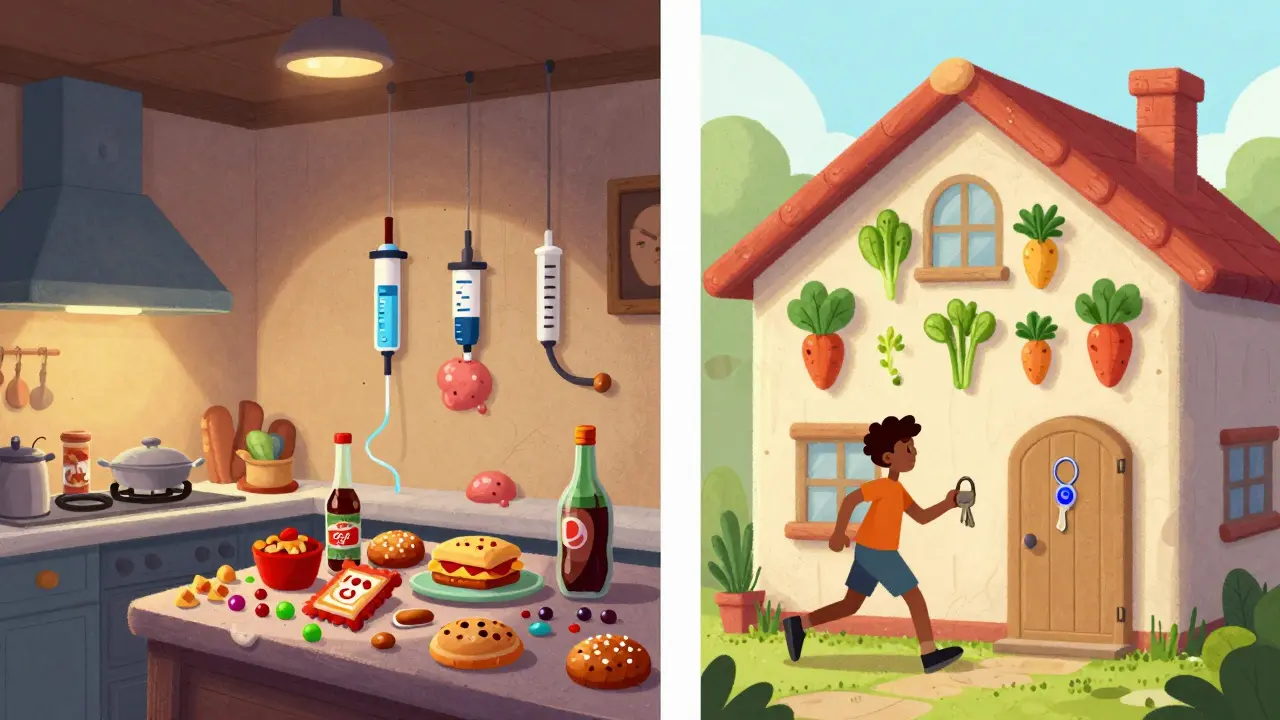
This is where people get scared. Left unchecked, type 2 diabetes doesn’t just affect your blood sugar. It damages your whole body.
- Heart disease-65-80% of deaths in people with type 2 diabetes are from heart attacks or strokes. Your risk is 2 to 4 times higher.
- Nerve damage-60-70% of people develop neuropathy after 10 years. That tingling? It can turn into numbness, then pain, then foot ulcers. One in five of those ulcers leads to amputation.
- Kidney failure-type 2 diabetes causes 44% of new cases of kidney failure needing dialysis.
- Eye damage-diabetic retinopathy affects nearly 30% of people with diabetes and causes 17,000 new cases of blindness each year in the U.S.
- Brain health-people with diabetes have a 2-3 times higher risk of Alzheimer’s. Some researchers even call it ‘type 3 diabetes’ because insulin resistance affects brain cells too.
- Mental health-depression is twice as common in people with diabetes. And it makes managing the disease harder, creating a vicious cycle.
The good news? These complications don’t happen to everyone. They happen when blood sugar stays high for years. That’s why early action matters so much.
How to Manage Type 2 Diabetes-For Real
Management isn’t about perfection. It’s about consistency. And it’s not just pills. It’s lifestyle, monitoring, and sometimes medicine.
1. Food First
You don’t need to go on a strict diet. You need to change your pattern. Focus on:
- Whole foods-vegetables, legumes, whole grains, lean proteins, nuts, seeds
- Low-glycemic carbs-oats, quinoa, sweet potatoes instead of white bread or rice
- Healthy fats-avocado, olive oil, fatty fish
- Minimize added sugar and ultra-processed foods
One study showed that a structured weight-loss plan involving total diet replacement (800 calories/day for a few months) led to remission in 46% of people who’d had diabetes for less than six years. That’s not magic. That’s reversing the root cause: excess fat around the liver and pancreas.
2. Move Your Body
You don’t need to run marathons. Just move. Walking 30 minutes a day, five days a week, cuts diabetes risk by 58% in high-risk people. Strength training twice a week helps too-muscle uses sugar, even without insulin. The goal? Be active every day, even if it’s just pacing while on the phone.
3. Medication When Needed
Metformin is still the first-line drug. It lowers blood sugar, helps with weight, and doesn’t cause low blood sugar. It’s cheap, safe, and proven over decades.
Newer drugs like GLP-1 agonists (semaglutide, liraglutide) and SGLT2 inhibitors (empagliflozin, dapagliflozin) do more than lower sugar-they protect your heart and kidneys, and help you lose weight. Tirzepatide, a newer dual-action drug, can lower HbA1c by over 2% and help people lose 11-15 pounds. These aren’t just for advanced cases anymore-they’re being used early.
4. Monitor Your Blood Sugar
Testing isn’t about guilt. It’s about feedback. If you’re on insulin or multiple medications, checking daily helps you adjust. Even if you’re not, checking occasionally gives you insight. How does pasta affect you? What about fruit? Stress? Sleep? Your body will tell you-if you listen.
Continuous glucose monitors (CGMs) are no longer just for type 1. Medicare now covers them for many with type 2. Seeing your numbers in real time changes everything.
5. Sleep, Stress, and Support
Skipping sleep raises blood sugar. Chronic stress does too. Managing these isn’t optional-it’s part of treatment. Try breathing exercises, walks in nature, therapy, or just turning off screens an hour before bed.
And don’t do it alone. The CDC’s National Diabetes Prevention Program has helped over 1 million people reduce their risk by 58% through group coaching. Support works.

Can Type 2 Diabetes Be Reversed?
Yes. And no.
It can go into remission-meaning blood sugar returns to normal without medication. The DIALECT trial showed that nearly half of people who lost weight early could stop all meds and stay in remission. But it’s not cured. The risk stays. If you gain weight back, the diabetes comes back.
Remission isn’t a miracle. It’s a result of removing the fat that’s blocking your pancreas. It’s possible-but only if you stick with the changes.
What’s Next for Type 2 Diabetes?
The future is personalized. Researchers are using AI to predict who’ll develop diabetes before it happens. Genetic testing might soon tell you which diet or drug works best for your body. Closed-loop insulin systems are now approved for type 2, helping people stay in target range 71% of the time-up from 51%.
But technology won’t fix everything. The real challenge is access. In low-income communities, healthy food is expensive. Safe places to walk are rare. Healthcare is hard to get. Until we fix those, type 2 diabetes will keep growing.
The message isn’t ‘you failed.’ It’s ‘you can still turn this around.’ Every small step counts. One less soda. A 10-minute walk. A better night’s sleep. These aren’t just habits-they’re medicine.
Can type 2 diabetes be cured completely?
Type 2 diabetes can go into remission-meaning blood sugar returns to normal without medication-but it’s not considered a permanent cure. The underlying risk remains. If weight is regained or lifestyle changes stop, blood sugar can rise again. Remission is possible, especially within the first few years of diagnosis, through significant weight loss and sustained healthy habits.
Do I need to take medication for life if I have type 2 diabetes?
Not necessarily. Many people start with metformin, but some can reduce or stop medication through weight loss, improved diet, and regular exercise. Others may need to add or switch medications over time as the disease progresses. The goal isn’t lifelong pills-it’s keeping blood sugar in a healthy range, using whatever tools work best for you.
Is type 2 diabetes only caused by being overweight?
No. While obesity is the strongest risk factor, many people with type 2 diabetes are at a normal weight or only slightly overweight. Genetics, ethnicity, age, stress, sleep, and physical inactivity all play major roles. Someone can be thin and still have insulin resistance due to family history or metabolic factors.
How often should I check my blood sugar?
It depends on your treatment plan. If you’re on insulin or multiple medications, daily checks are often needed. If you’re managing with diet and exercise alone, checking a few times a week or even monthly can help you see patterns. Continuous glucose monitors (CGMs) give real-time data and are becoming more common for type 2 diabetes, especially if your levels are unpredictable.
Can I still eat carbs if I have type 2 diabetes?
Yes-but the type and amount matter. Focus on whole, unprocessed carbs like vegetables, legumes, oats, and quinoa. Avoid sugary drinks, white bread, pastries, and refined snacks. Portion control is key. Pair carbs with protein or fat to slow sugar absorption. Everyone’s tolerance is different-monitor how your body responds.
What’s the best way to prevent type 2 diabetes if I’m at risk?
Lose 5-7% of your body weight if you’re overweight, move for at least 150 minutes a week (like brisk walking), and eat more whole foods. The CDC’s Diabetes Prevention Program shows this reduces your risk by 58%. Even small changes-like swapping soda for water or taking a walk after dinner-make a big difference over time.
Does stress really affect blood sugar?
Yes. When you’re stressed, your body releases cortisol and adrenaline, which raise blood sugar-even if you haven’t eaten. Chronic stress makes it harder to manage diabetes and can lead to poor sleep, emotional eating, and skipping exercise. Managing stress through movement, breathing, or therapy is part of treatment, not just self-care.
Can type 2 diabetes cause depression?
It’s a two-way link. People with type 2 diabetes are twice as likely to develop depression. Managing daily blood sugar checks, diet, and medications can be overwhelming. At the same time, depression makes it harder to stick to treatment plans, leading to worse outcomes. Treating depression improves diabetes control-and vice versa.
Where Do You Go From Here?
Start small. Pick one thing: swap one sugary drink for water. Take a 10-minute walk after dinner. Write down your meals for three days. That’s it. No need to overhaul your life tomorrow.
Get your HbA1c tested-it shows your average blood sugar over the last three months. Ask your doctor about a CGM if you’re struggling to understand your patterns. Look into a diabetes prevention program in your area. You don’t have to do this alone.
Type 2 diabetes is serious-but not hopeless. The same lifestyle changes that prevent it can reverse it. The science is clear. The tools are here. What matters now is what you do next.



13 Comments
Sandeep Jain
man i just found out my dad has type 2 and he’s 52… i always thought it was just ‘eating too much sugar’ but this post opened my eyes. he’s not even overweight, just stressed and sleeps like a rock. guess it’s more than willpower.
Sophia Daniels
oh sweet jesus another ‘lifestyle change is magic’ pamphlet. let me guess-next you’ll tell me yoga cures kidney failure? i’ve seen people starve themselves for years only to end up on dialysis. this isn’t motivational poster material, it’s a slow death sentence with a side of guilt.
Fabio Raphael
really interesting breakdown, especially the part about genetics and ethnicity. i’m curious-has anyone here seen studies on how traditional diets (like Indian or Mediterranean) affect remission rates compared to Western low-fat diets?
Amy Lesleighter (Wales)
my aunt reversed hers with just walking and no sugar. no meds. no fancy stuff. just moved more and ate real food. it’s not about being perfect, it’s about being consistent. you got this.
roger dalomba
so… if i eat kale and meditate, i can un-diabetes myself? genius. why didn’t we think of this before antibiotics?
Rajni Jain
i’m from india and we’re seeing this explode in teens now. my cousin, 16, diabetic, drinks 3 energy drinks a day. her mom says ‘but she’s skinny!’… yeah, and her pancreas is crying.
Brittany Fuhs
oh great. another ‘american healthcare is broken’ lecture wrapped in virtue signaling. we don’t need CGMs-we need people to stop eating twinkies. it’s not rocket science.
sakshi nagpal
thank you for writing this with such clarity. as a nurse in Mumbai, I see patients come in too late every week. The stigma around diabetes is still huge-many think it’s a punishment. This post could save lives if shared in communities where education is scarce.
Nikki Brown
YOU are responsible for your health. No one else. If you’re tired, it’s because you chose to eat that pizza. If your vision is blurry, it’s because you didn’t walk enough. Stop blaming stress. Stop blaming genes. STOP MAKING EXCUSES. 🙄
Peter sullen
Given the multifactorial etiology of insulin resistance-encompassing genetic predisposition, epigenetic modulation, metabolic inflexibility, and neuroendocrine dysregulation-it is imperative to adopt a biopsychosocial model of intervention, integrating pharmacologic agents (e.g., SGLT2 inhibitors, GLP-1 RAs) with behavioral modification protocols, including circadian rhythm optimization and cortisol modulation via mindfulness-based stress reduction.
Steven Destiny
stop lying to people. this isn’t ‘manageable.’ it’s a death sentence you’re sugar-coating with ‘small steps.’ people are dying because you’re telling them it’s ‘fixable’ when half of them can’t even afford a glucose meter. this is privilege talking.
Erwin Asilom
the data on weight loss and remission is compelling, but the real barrier isn’t knowledge-it’s access. Healthy food costs more. Safe places to walk are scarce. Insurance doesn’t cover CGMs for many. This isn’t about laziness. It’s about systems failing people.
Becky Baker
my husband’s type 2 and he’s on metformin. he lost 40 lbs on keto. now he’s off meds. i’m not saying it’s easy, but it’s possible. don’t let anyone tell you it’s hopeless.