
Gabapentinoid-Opioid Risk Assessor
Risk Assessment Result
Please enter your details and click "Assess Risk Level" to see your estimated risk profile.
It is a common scene in doctor’s offices across the country: a patient complains of chronic back pain or nerve damage. The physician prescribes an opioid for the acute flare-up and adds gabapentin or pregabalin to help manage the underlying nerve pain while potentially lowering the opioid dose. It sounds like a smart, balanced approach to pain management. But behind this routine prescription lies a dangerous biological trap that many clinicians and patients overlook.
When you mix gabapentinoids with opioids, you are not just adding two painkillers together. You are creating a chemical cocktail that can suppress your breathing to lethal levels. This phenomenon is known as additive respiratory depression. In simple terms, both drugs slow down your central nervous system. When taken together, they don’t just add up; they amplify each other’s ability to shut down your drive to breathe. For millions of people managing chronic pain, understanding this interaction isn't just academic-it is a matter of life and death.
The Mechanism Behind the Danger
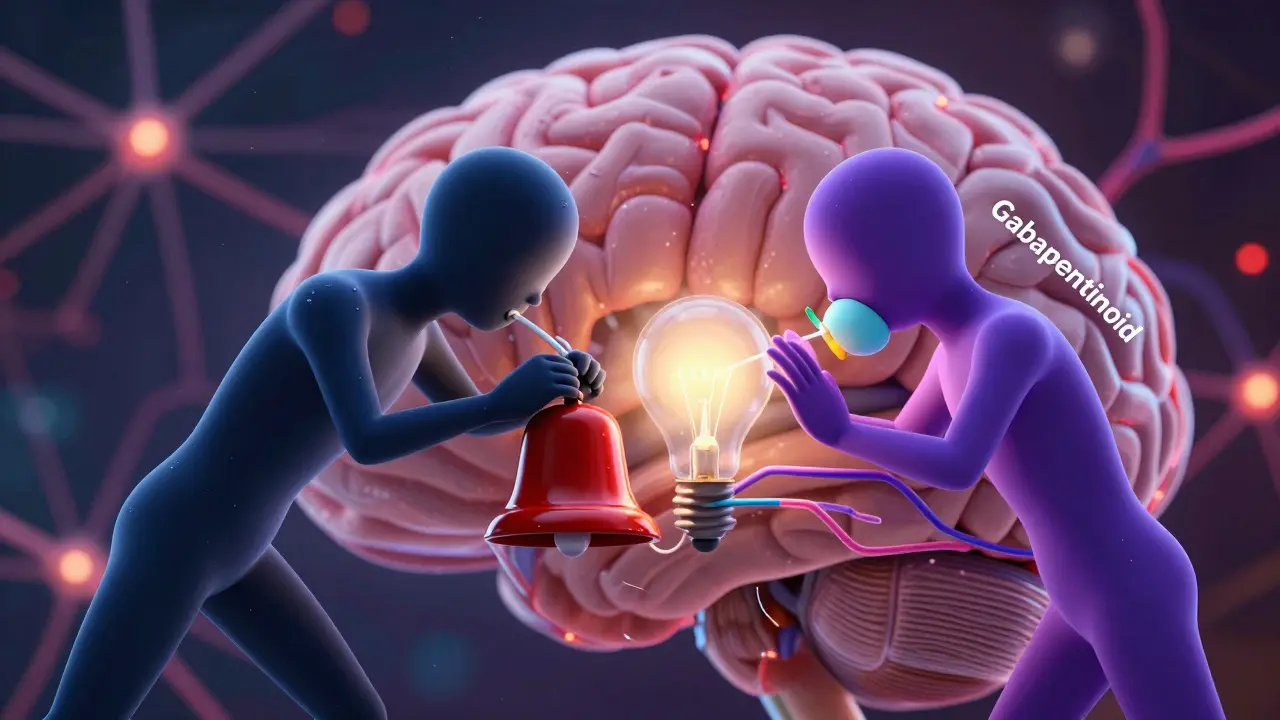
To understand why this combination is so risky, we need to look at how these drugs work inside your body. Gabapentinoids (which include gabapentin and pregabalin) were originally designed to treat seizures and neuropathic pain. They bind to specific subunits of voltage-gated calcium channels in the brain. While they do not act on opioid receptors directly, they significantly dampen the activity of neurons involved in breathing control.
Opioids, on the other hand, bind to mu-opioid receptors in the brainstem, which is the area responsible for automatic functions like breathing. Opioids reduce the sensitivity of your brain to carbon dioxide. Normally, when CO2 builds up in your blood, your brain screams at your lungs to inhale. Opioids turn down the volume on that alarm.
When you take both, you get a double hit. The opioids blunt the CO2 response, and the gabapentinoids further depress the neural circuits that initiate breath. Research shows this is not just theoretical. A double-blind, placebo-controlled trial by Myhre et al. demonstrated that when healthy volunteers took pregabalin combined with remifentanil (a potent opioid), their end-tidal CO2 levels rose in an additive manner. Their bodies were struggling to clear carbon dioxide because their breathing drive was suppressed by both medications simultaneously.
There is another sneaky mechanism at play: pharmacokinetics. Opioids often slow down gastrointestinal transit time. Since gabapentin is primarily absorbed in the upper small intestine, slowing down digestion means the drug sits in its absorption window longer. This can increase the bioavailability of gabapentin, leading to higher concentrations in the blood than expected, even if the dosage hasn’t changed.
What the Data Says: Real-World Risks
You might wonder if this is a rare side effect or a widespread crisis. The data suggests it is a significant public health concern. In April 2019, the U.S. Food and Drug Administration (FDA) issued a strong safety warning after analyzing reports from its Adverse Event Reporting System (FAERS). Between 2012 and 2017, they identified 49 cases of respiratory depression linked to gabapentinoids. Here is the breakdown:
- 15 cases involved gabapentin alone or in combination.
- 34 cases involved pregabalin.
- 92% of these cases involved either a pre-existing respiratory risk factor (like age-related lung decline) or the concurrent use of another CNS depressant, such as an opioid.
- 24% of the cases resulted in death.
Crucially, every single fatal case reported at least one risk factor or concomitant use of a CNS depressant. This highlights that while gabapentinoids can cause issues on their own, the danger skyrockets when mixed with opioids.
A landmark study published in PLOS Medicine by Gomes et al. in 2017 looked at over 16 years of data involving millions of patients. They found that approximately 8% of patients receiving opioids were also prescribed gabapentin. The results were stark: co-prescription was associated with a 50% increase in the risk of dying from opioid-related causes. If the patient was on very high doses of gabapentin, that risk nearly doubled (a 98% increase). This wasn't just about accidental overdose; it was about the physiological incompatibility of the two drugs in vulnerable populations.
| Risk Factor Category | Specific Examples | Impact on Risk |
|---|---|---|
| Demographics | Age > 65 years | Increased susceptibility due to reduced lung capacity and metabolic changes |
| Medical History | Chronic Obstructive Pulmonary Disease (COPD), Sleep Apnea | Compromised baseline respiratory function makes depression more likely |
| Renal Function | Creatinine clearance < 60 mL/min | Reduced excretion leads to drug accumulation and higher toxicity |
| Medication Use | Concurrent Benzodiazepines, Alcohol, Muscle Relaxants | Additive CNS depression multiplies the respiratory suppression effect |
| Dosage | High-dose Gabapentin (>3600mg/day) | Near doubling of mortality risk when combined with opioids |
Who Is Most Vulnerable?
Not everyone who takes this combination will experience respiratory failure, but certain groups are sitting ducks for this interaction. If you fall into any of these categories, you need to have a serious conversation with your doctor before starting treatment.
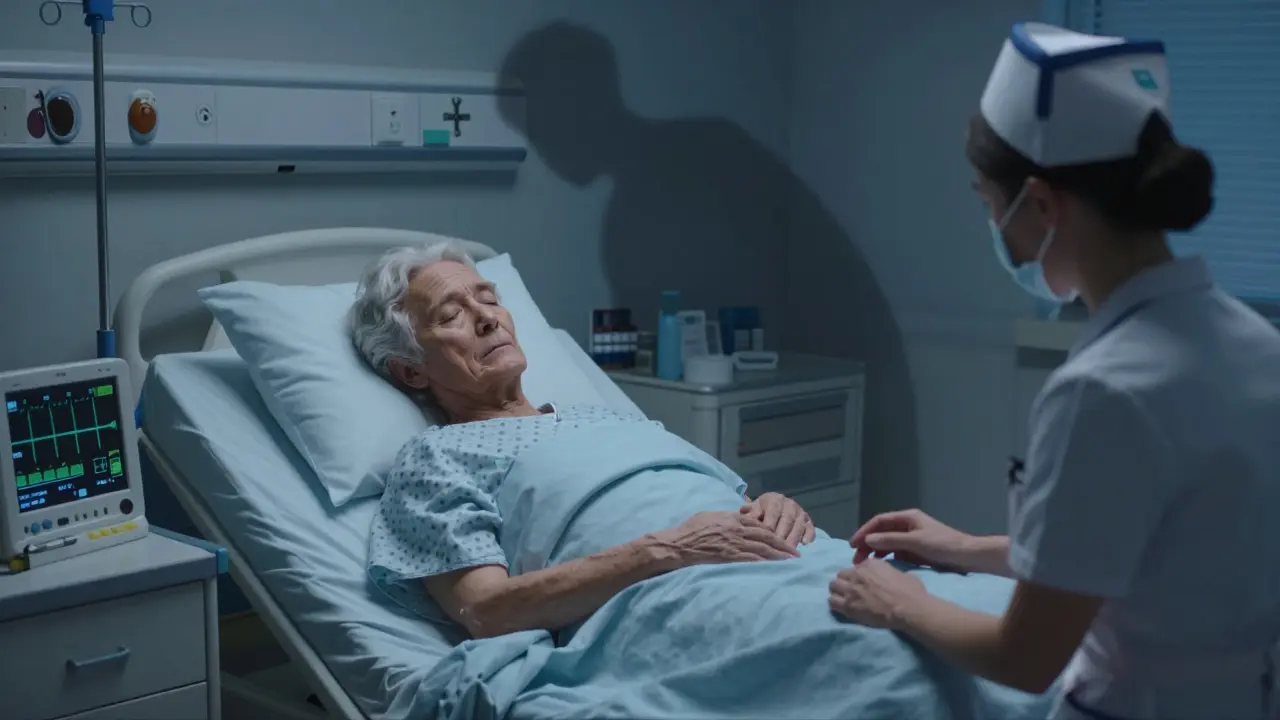
The Elderly: As we age, our lung function naturally declines. We lose elastic recoil in our lungs, and our diaphragm muscles weaken. An older adult has less respiratory reserve to begin with. Adding drugs that suppress breathing removes that already thin safety margin. The FDA specifically notes age-related loss of lung function as a key risk factor.
Patients with Renal Impairment: Both gabapentin and pregabalin are excreted almost entirely by the kidneys. If your kidneys aren't working at full capacity, these drugs build up in your system. Pregabalin requires dose adjustments if creatinine clearance is below 60 mL/min. Gabapentin needs adjustments if it’s below 70 mL/min. Many doctors prescribe standard doses without checking renal function, leading to toxic accumulation.
Those with Sleep Disorders: If you have obstructive sleep apnea, your airway already collapses during sleep. Gabapentinoids can worsen this. A study by Piovezan et al. showed that even a single dose of gabapentin led to significantly more hourly apneic episodes in healthy men during sleep studies. Imagine what happens if you combine that with an opioid in someone who already has untreated sleep apnea.
Post-Surgical Patients: There is a trend in hospitals to use gabapentinoids as "opioid-sparing" agents after surgery. The idea is to give less opioid by adding gabapentin. However, a JAMA Network Open analysis of over 5.5 million surgical patients suggested that the evidence for this benefit is equivocal. Meanwhile, the risk of opioid-induced respiratory depression (OIRD) remains high, ranging from 3% in gynecological surgery to 72% in general surgery contexts where multiple sedatives are used.
Clinical Guidelines and Safe Practices
So, does this mean you should never take gabapentinoids with opioids? Not necessarily. For some patients with severe neuropathic pain, this combination might be the only thing that provides relief. But it must be done with extreme caution. Here is how clinicians are advised to mitigate the risk:
- Start Low, Go Slow: The Medical Letter and FDA guidelines emphasize starting gabapentinoids at the lowest possible dose. Titrate up slowly. Do not jump to therapeutic doses immediately.
- Check Renal Function: Before prescribing, calculate the patient's creatinine clearance. Adjust the dose accordingly. Never assume kidney function is normal, especially in patients over 40.
- Screen for Sleep Apnea: Ask about snoring, daytime fatigue, and witnessed pauses in breathing. If there is suspicion of sleep apnea, consider alternative pain management strategies or require a sleep study.
- Educate the Patient: Patients need to know the signs of respiratory depression. These include extreme drowsiness, confusion, slow or shallow breathing, and blue tinting of lips or fingernails (cyanosis). They should be instructed to seek emergency care if these symptoms appear.
- Review All Medications: Look for other CNS depressants. Are they taking benzodiazepines for anxiety? Muscle relaxants for spasms? Drinking alcohol? Each of these adds another layer of suppression.
It is also worth noting the regulatory landscape. The UK’s Medicines and Healthcare Products Regulatory Agency (MHRA) issued a similar drug safety alert in 2019. Globally, regulators are tightening the screws on this combination. Label changes for all gabapentinoid products now include boxed warnings about the risk of respiratory depression when used with CNS depressants.
The Paradox of Pain Management
We are caught in a difficult paradox. The CDC’s 2016 opioid prescribing guidelines encouraged doctors to reduce opioid usage to combat the addiction epidemic. In response, many physicians turned to gabapentinoids as non-opioid alternatives or adjuncts. The intention was good: spare the opioid, save the patient.
However, data from 2017 showed that 21.8% of new gabapentin prescriptions and 24.1% of new pregabalin prescriptions included concomitant opioids. We inadvertently created a new pathway for overdose. The PLOS Medicine study confirmed that this co-prescription increases mortality risk. Furthermore, recent analyses suggest that adding gabapentinoids to opioids may not actually provide superior pain control compared to opioids alone. If the pain relief isn't significantly better, but the death risk is higher, the clinical justification crumbles.
For patients, this means advocating for yourself. If you are prescribed both, ask your doctor: "Is the added pain relief worth the increased risk of respiratory depression? Are there non-CNS-depressing alternatives we could try first, such as NSAIDs, topical treatments, or physical therapy?"
Conclusion: Vigilance Saves Lives
The interaction between gabapentinoids and opioids is not a myth. It is a documented, deadly synergy that affects thousands of patients annually. While these drugs are powerful tools for managing chronic pain and seizures, they demand respect and careful handling. By understanding the mechanisms of additive respiratory depression, recognizing the risk factors, and adhering to strict dosing guidelines, we can continue to use these medications effectively without paying the ultimate price. Always monitor your breathing, stay hydrated, keep your kidneys healthy, and never hesitate to call for help if you feel your breathing becoming labored or too slow.
Can gabapentin cause respiratory depression on its own?
Yes, although it is rare. The FDA has received reports of respiratory depression with gabapentin monotherapy, particularly in patients with underlying respiratory impairment or those who are elderly. However, the risk is significantly higher when combined with other CNS depressants like opioids.
How long does the risk last after stopping the medication?
The risk persists as long as the drugs are in your system. Gabapentin has a half-life of about 5-7 hours, while pregabalin is 6-7 hours. In patients with renal impairment, these times can be much longer. Once the drugs are cleared from your system, the respiratory depression effect should resolve, but medical monitoring is essential during withdrawal.
What are the signs of respiratory depression I should watch for?
Key signs include extreme drowsiness or difficulty staying awake, slowed breathing rate (fewer than 12 breaths per minute), shallow breathing, confusion, slurred speech, and bluish discoloration of the lips or fingertips. If you observe these, seek emergency medical attention immediately.
Are there safer alternatives to gabapentinoids for nerve pain?
Yes. Depending on the type of pain, alternatives might include duloxetine (an SNRI antidepressant), amitriptyline (a tricyclic antidepressant), topical lidocaine patches, or capsaicin cream. These options generally do not carry the same risk of respiratory depression when combined with opioids, though they have their own side effect profiles.
Does kidney function affect how dangerous this combination is?
Absolutely. Since gabapentin and pregabalin are excreted by the kidneys, poor kidney function leads to higher levels of the drug in the blood. This increases the potency of the respiratory depression. Doctors must adjust doses based on creatinine clearance to prevent toxic buildup.



13 Comments
Ryan Jones
they want you to think its just the drugs but its the water supply and the microplastics in your blood stream that make the opioids hit harder. its a controlled experiment on millions of people. nobody is talking about how the pharmaceutical companies are lobbying congress to keep these warnings vague so they can sell more gabapentin without getting sued. its all connected. wake up sheeple.
Jonhnnie john13
the mechanism described is pharmacologically sound yet the presentation lacks nuance regarding individual metabolic variance. respiratory depression is not merely additive but often synergistic due to distinct receptor binding affinities. the data from Gomes et al is compelling however it fails to account for confounding variables such as polysubstance abuse which is prevalent in this demographic. one must also consider the renal clearance rates which vary significantly between patients with normal vs compromised kidney function. the table provided is useful but oversimplifies the complex interplay of CNS depressants.
Elizabeth Fandry
Oh, how delightful 🎭 To read such a pedestrian summary of what any educated person already knows about neuropharmacology. It is truly amusing that the masses require such hand-holding to understand basic physiological interactions. One would assume that by now, society has evolved past the need for basic safety warnings regarding central nervous system depressants. Perhaps if we elevated our intellectual standards, we wouldn’t need articles like this to explain why mixing sedatives is akin to playing Russian roulette with one’s own brainstem. Truly a fascinating glimpse into the collective ignorance of the modern era 🧐
Sharon O’Mahonh
i think its really important that we talk about this because so many people suffer in silence and dont know they are at risk. the jargon around mu-opioid receptors and calcium channels can be scary but understanding it empowers us to advocate for our health. we should all feel supported in asking our doctors about alternative treatments like topical lidocaine or physical therapy before jumping into heavy meds. let's create a community where sharing this knowledge saves lives rather than causing fear. every conversation matters and every patient deserves to be heard and protected from these hidden dangers.
Anthony Padilla
my uncle took both after his knee surgery and he ended up in the icu for three days. the doctor said his breathing stopped twice during the night. i was so scared when i visited him. i think more people need to know about this because my family didnt realize how dangerous it could be until it happened. maybe if we had known about the sleep apnea connection we could have prevented it. i hope this article helps others avoid what we went through.
Madeline Petes
this is super helpful info! i was prescribed gabapentin for nerve pain and i also take an opioid for back pain so im definitely going to ask my doc about the risks. i didnt know that kidneys play such a big role in how the drug builds up in your system. thanks for breaking it down so clearly. i feel much more empowered to have that conversation now instead of just taking the pills blindly.
Ramanath Rao
In India we see similar issues with tramadol and benzodiazepines being mixed carelessly. The regulatory bodies there are slow to act compared to FDA warnings. This article highlights a global problem not just a US one. Doctors must stop prescribing these combinations without proper screening especially for elderly patients with comorbidities. We need stricter guidelines worldwide to prevent these preventable deaths. Stop ignoring the evidence!
irine sabrina
I completely agree with the points raised here. It is heartbreaking to think that so many families are affected by this lack of awareness. As someone who works in healthcare I see this interaction happen too often and it is terrifying. We need to foster open dialogues between patients and providers. Empathy and education are key to navigating these complex medical landscapes. Let us support each other in seeking safer alternatives and prioritizing overall well-being over quick fixes.
Gary Helminiak
As a pharmacist I can tell you that this is one of the most common dangerous interactions I encounter daily 😷. The thing is gabapentinoids are often prescribed off-label for anxiety or insomnia which compounds the risk when patients are already on opioids for pain. I always check renal function before dispensing pregabalin because creatinine clearance drops as we age and many seniors don't realize their kidneys aren't filtering as well. If you are taking both medications please ensure your doctor is monitoring your CO2 levels and adjusting doses accordingly. It is better to be safe than sorry 💊
dane thorp
The statistical correlation does not imply causation in all cases presented. While the mechanism is plausible individual tolerance varies greatly. Some patients tolerate high doses without incident while others react severely. Clinical judgment is required rather than blanket avoidance.
Michael Schurmann
This entire post is written by someone who clearly has never managed chronic pain. The suggestion to try NSAIDs or physical therapy is laughable for anyone with severe neuropathic damage. You elitists sitting behind desks don't understand the agony. But sure keep preaching about 'safety' while we suffer because you're afraid of liability. Typical bureaucratic nonsense designed to protect institutions not people.
Christina Mitchell
It is interesting to observe how different cultures approach pain management. In some societies the use of multiple medications is seen as a necessary evil whereas in others holistic approaches are preferred. This article bridges that gap by providing scientific evidence that transcends cultural boundaries. We should encourage cross-cultural dialogue in medicine to find the best solutions for everyone regardless of background.
Christopher Laver
boring