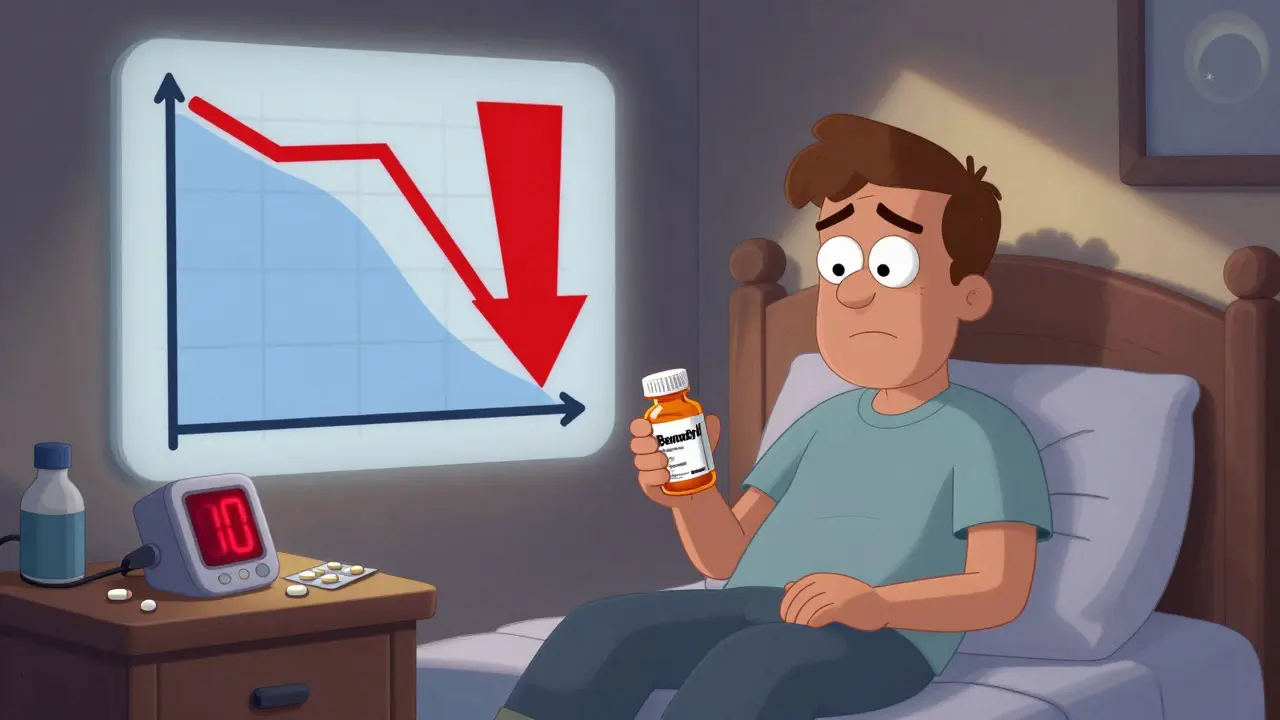
Antihistamines and Blood Pressure: What You Need to Know
Not all antihistamines affect blood pressure the same way. Learn which ones are safe for high blood pressure, which to avoid, and how to monitor your readings to stay protected.
View moreEver grabbed a pill for a runny nose or sleepless night and wondered what’s actually in it? Chances are it was diphenhydramine, the active ingredient in many over‑the‑counter allergy and sleep products. It belongs to a class called antihistamines, which means it blocks a chemical called histamine that your body releases during an allergic reaction.
Because it can calm histamine, diphenhydramine works for a range of everyday problems: sneezing, itchy eyes, hives, and even motion‑sickness. It also has a strong sedating effect, so people often use it as a short‑term sleep aid. You’ll see it on store shelves under brand names like Benadryl, Sominex, or generic labels.
When you take diphenhydramine, it slides into the brain and blocks histamine receptors. Histamine is a messenger that makes blood vessels leaky and nerves itchy, so shutting it down reduces those allergy symptoms. The same blockage also slows down brain activity, which is why you feel drowsy.
The drug starts working within 15‑30 minutes, peaks around an hour, and can last 4‑6 hours. That timing is handy for night‑time dosing but means you should avoid driving or operating heavy machinery after taking it.
Dosage varies by age and purpose. For adults, a typical allergy dose is 25‑50 mg every 4‑6 hours, not to exceed 300 mg a day. For sleep, a single 50 mg dose about 30 minutes before bedtime is common. Kids get much lower doses, and you should always follow the label or your doctor’s advice.
If you prefer ordering from the comfort of home, there are a few rules that keep the process risk‑free. First, choose a pharmacy that asks for a prescription when the product is marked “prescription‑only” in your country. Legitimate sites display a clear pharmacy license and a physical address.
Second, compare prices, but beware deals that seem too good to be true. Extremely low prices often mean counterfeit or expired medication. Look for customer reviews that talk about product authenticity and delivery speed.
Third, check the payment method. Secure options like credit cards or trusted payment gateways give you extra protection if something goes wrong. Finally, keep a copy of the receipt and the batch number – it helps verify the drug if you have any concerns.
Our site also covers related topics you might find useful, such as buying Antivert for motion sickness, Xyzal for allergy relief, and safe online pharmacy guides. Those articles explain what to look for, how to spot red flags, and where to find reputable sellers.
Bottom line: diphenhydramine is a reliable go‑to for allergies and occasional sleeplessness, but respect the dose and be aware of its drowsy side effects. When you decide to purchase it online, stick to licensed pharmacies, verify the product, and use secure payment methods. Doing so keeps you safe and ensures you get the relief you need without any unwanted surprises.
Not all antihistamines affect blood pressure the same way. Learn which ones are safe for high blood pressure, which to avoid, and how to monitor your readings to stay protected.
View more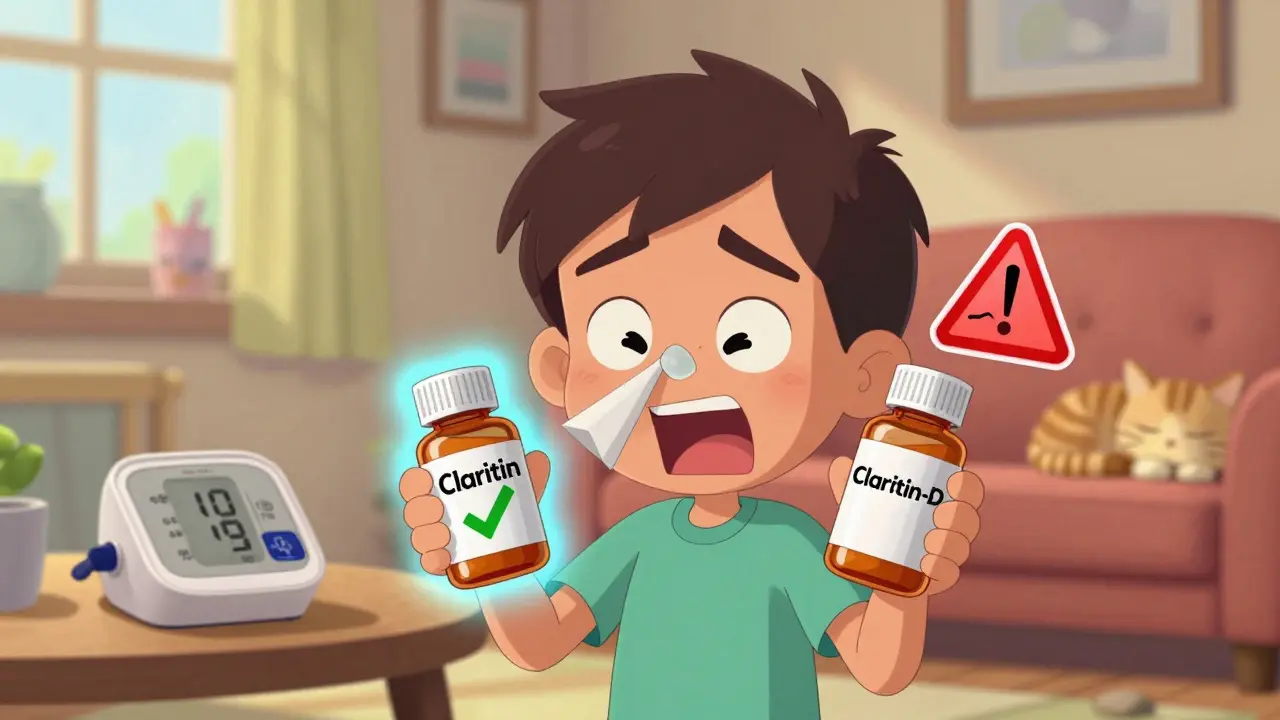
Antihistamines can affect blood pressure depending on the type. Second-generation options like loratadine and cetirizine are safe for most people with hypertension. Avoid decongestant combos like Claritin-D, which can raise pressure. Monitor your numbers if you're at risk.
View more
Comparing diphenhydramine and hydroxyzine for panic attacks: which acts faster, what’s safer, and how to get them. Find facts, side effects, and real insights.
View more