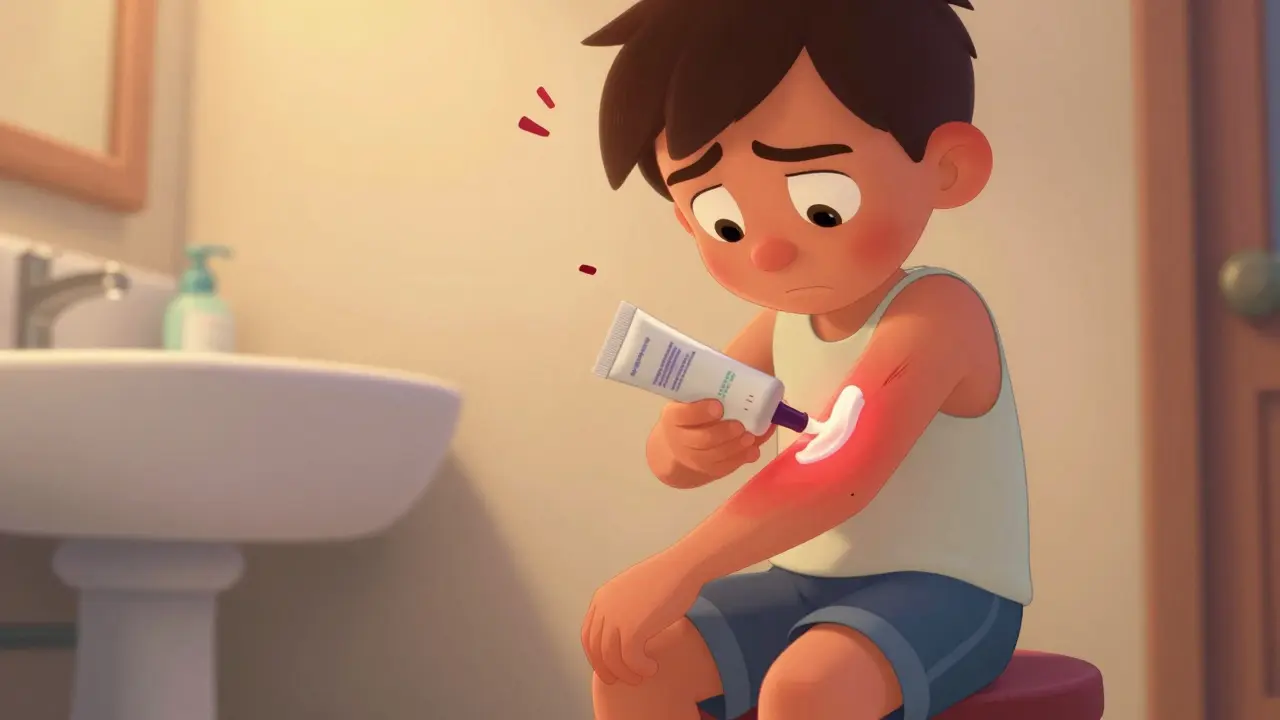
Imagine applying a cream to heal your skin, only to find the cream itself is causing the very rash you are trying to stop. It sounds counterintuitive, but topical medication allergies are a surprisingly common medical puzzle. Millions of people apply ointments, creams, and lotions daily without thinking twice about the ingredients. However, for some individuals, these treatments trigger a severe immune response known as allergic contact dermatitis.
This reaction isn't just a mild irritation; it can mimic eczema, cause blistering, and lead to chronic skin damage if left untreated. Medical data indicates that between 10% and 17% of patients undergoing testing for skin inflammation actually have an allergy to one of their prescribed medicines. If your skin condition worsens after starting a new treatment, you need to understand exactly what is happening beneath the surface.
Key Takeaways
- Allergic contact dermatitis is a delayed immune reaction to substances applied directly to the skin.
- Common culprits include antibiotics like neomycin, anesthetics like benzocaine, and preservatives in steroid creams.
- Patch testing is the gold standard for diagnosis, identifying the specific chemical causing the flare-up.
- Treatment involves stopping the offending agent and using alternative medications like calcineurin inhibitors.
- Cross-reactivity means avoiding entire groups of similar chemicals once an allergy is identified.
Understanding the Skin Reaction
To fix the problem, we first need to define what we are dealing with. Contact Dermatitis is an inflammatory skin condition characterized by redness and itching that develops after contact with a foreign substance. It is distinct from a simple irritant reaction. Think of soap making your hands dry; that is irritation. Now imagine touching poison ivy or applying a medicated cream and breaking out in hives days later. That is an allergy.
There are two main categories to distinguish here. Irritant contact dermatitis happens when a substance physically damages the skin barrier, like acid burning through fabric. You get immediate burning or stinging. In contrast, Allergic Contact Dermatitis is a delayed type IV hypersensitivity reaction. Your immune system mistakenly identifies a harmless chemical as a threat. This process takes time, often appearing 24 to 48 hours after exposure, which makes tracing the cause difficult.
The confusion stems from the fact that the skin looks inflamed either way. However, the treatment paths diverge sharply. If you treat an allergic reaction with more potent versions of the allergen (like strong steroids you might be allergic to), the rash intensifies. This creates a vicious cycle where the patient thinks the medicine isn't working, increases the dose, and gets worse.
The Hidden Triggers in Medicine Cabinets
You might think you are allergic to nothing until you see the list. Over 360 different drugs have been identified as potential contact allergens. The most frequent offenders aren't obscure compounds found in labs; they are in your household medicine cabinet.
Antibiotics top the list. Neomycin is a widely used antibiotic found in many triple antibiotic ointments. Statistics show it accounts for nearly 10% of positive patch tests. Even if you haven't used Neosporin recently, previous exposure could have sensitized you years ago. Another major category includes local anesthetics. Products containing benzocaine, often found in sore throat sprays or hemorrhoid creams, can trigger severe reactions.
Ironically, the treatment for inflammation-corticosteroids-is also a common cause of the rash. While rare, about 0.5% to 2% of patients develop an allergy to the steroids themselves. This phenomenon, sometimes called "steroid failure," occurs because the preservative added to the cream base triggers the allergy rather than the steroid molecule. When a doctor prescribes hydrocortisone for an irritated face, and the face breaks out more, it is often because the patient has become allergic to that specific group of steroid or its vehicle.
| Chemical Class | Common Examples | Frequent Usage |
|---|---|---|
| Antibiotics | Neomycin, Bacitracin | Cuts and scrapings ointments |
| Anesthetics | Benzocaine, Lidocaine | Sore throat sprays, sunburn relief |
| Corticosteroids | Hydrocortisone, Betamethasone | Inflammation, Eczema treatment |
| Preservatives | Methylisothiazolinone | Cream bases, Lotions |
Diagnosing the Cause
Finding the culprit requires detective work beyond a visual exam. A blood test rarely works for skin allergies because the immune response happens locally on the skin surface. The gold standard is Patch Testing is a diagnostic method where suspected allergens are applied to the skin via adhesive patches for 48 hours.
During this test, a dermatologist applies small amounts of chemicals to your back. You wear these patches for two days, then return for readings at 48 and sometimes 96 hours. This captures the slow-moving nature of the Type IV hypersensitivity reaction. If your back reddens or blisters at the spot where the chemical was placed, that is your answer. Current protocols identify the causative agent in roughly 70% of cases.
It is vital to bring all personal products to the appointment. About 30% of the time, the offender is hiding in a non-prescription product you didn't even consider a "medicine." This includes sunscreen, moisturizers, or even laundry detergent residues on clothing. Without a thorough inventory, the test results may be incomplete, leaving you vulnerable to future flare-ups.

Treatment Protocols and Alternatives
Once the trigger is removed, the healing begins. For mild cases, simply washing the area and avoiding the chemical allows the skin barrier to repair itself within a few weeks. However, acute inflammation usually requires intervention to stop the itch-scratch cycle.
Mid- to high-potency topical corticosteroids remain the first-line therapy for reducing swelling and redness. However, if you are allergic to certain steroids, using them will fail. This is where cross-reactivity groups matter. Steroids are classified into groups A through F based on their chemical structure. If you react to Group A (like hydrocortisone), you might safely use Group B (like triamcinolone).
If steroids cannot be used, doctors turn to non-steroidal options. Calcineurin Inhibitors are topical medications such as pimecrolimus and tacrolimus that modulate the immune response without thinning the skin. These are particularly valuable for sensitive areas like the eyelids or face where steroids cause thinning or scarring. Studies show efficacy rates of 60-70% for managing these allergies, though some users report a burning sensation upon initial application.
For severe cases covering more than 20% of the body surface area, oral steroids like prednisone are necessary. Systemic therapy provides rapid relief, typically within 12-24 hours, allowing the skin to calm down enough to focus on long-term avoidance strategies.
Prevention and Long-Term Management
Living with a medication allergy requires vigilance. The priority is identification and avoidance. Once you know you react to neomycin, you must read labels on all first aid kits. Many multi-vitamin creams contain hidden antibiotic traces. Cross-reactivity extends beyond obvious brand names; generic formulations may vary.
Protective measures also involve managing the skin barrier. Healthy skin resists penetration better. Using barrier creams during occupational exposure is crucial for healthcare workers, who face an 18% risk of developing this condition due to frequent glove use and antiseptic exposure. Digital tools now exist to scan product ingredients against known allergens, helping you verify safety before purchase.
Finally, monitor changes in tolerance. Sensitivity can fluctuate over years. Regular follow-ups with a specialist ensure that your management plan remains effective as your body ages and environmental exposures change.
How soon does a topical medication allergy appear?
Symptoms typically appear 24 to 48 hours after contact. This delay happens because it is a Type IV hypersensitivity reaction, requiring the immune cells to mobilize to the site.
Can I still use steroids if I am allergic?
You might be able to use a different class of steroid. Cross-reactivity varies between groups. If you react to Group A steroids, Group B or D options are often safe under medical supervision.
Is patch testing painful?
No, the procedure involves sticking pads to the skin. Discomfort may occur if a severe reaction develops during the test period, but the application itself is painless.
What are the symptoms of a topical allergy?
Look for redness, intense itching, blisters, and scaling specifically where the cream was applied. It often mimics eczema but spreads to surrounding healthy skin.





9 Comments
Aaron Olney
man i had the worst experience with neosporin back in high school like literally my whole leg swelled up cause i put cream on a cut that was fine before i swear doctors never warn u about the preservatives being the actual problem instead of the cut itself its terrifying how bad it can get when u dont know what ingredient is killing your skin barrier every time i see triple antibiotic ointment i just shake my head and run away from those tubes because nobodt tells u til its too late and now i am scared of any ointment tube ever
gina macabuhay
Your anecdotal evidence is barely relevant to clinical standards yet you speak with such absolute conviction as if personal trauma equates to medical fact. It is amusing how many users jump to conclusions based on high school memories without verifying current data or consulting specialists properly. People like you perpetuate fear rather than solutions by focusing solely on the worst case scenarios imaginable. Stop complaining about preservatives and read the scientific literature before posting nonsense online.
Sophie Hallam
I understand that frustration can cloud judgment when dealing with chronic skin issues but dismissing personal experiences isn't helpful either. Everyone's immune system reacts differently and shared stories do contribute valuable insights for others in similar situations. Perhaps finding a balance between anecdotal observation and medical data would create a better environment for learning.
Monique Ball
Hello everyone! It is so great to see this important topic being discussed here today. 🧴 Skin health is truly one of the most vital parts of our daily routine yet we often overlook hidden dangers. Many people suffer from contact dermatitis without even knowing why their rashes persist for weeks on end. I remember helping a friend navigate through her allergy testing process last year and it was quite enlightening to learn more. The list of chemicals found in standard creams is honestly shocking to anyone reading the label closely. You really need to check ingredients like methylisothiazolinone which causes so much trouble for sensitive folks. Patch testing is absolutely the way to go if you find yourself stuck in a loop of constant irritation on your arms. Avoidance is the key strategy but sometimes finding safe alternatives takes a while to figure out correctly. Steroid allergies are super rare but they do exist and they mess things up significantly during recovery periods. Calcineurin inhibitors saved my cousin’s face when nothing else could calm down the inflammation near her eyes safely. Reading the small print on sunscreen bottles is also necessary now since many contain sneaky allergens. We have to empower ourselves to ask pharmacists about cross-reactivity issues before buying anything new. Your body knows what triggers you but you need the tools to translate those signals into action plans. Please keep sharing your stories because awareness helps so many others avoid similar painful mistakes later on. Staying informed is the best protection against unnecessary suffering from medication reactions!
Philip Wynkoop
Nice tips on patch testing and avoiding cross-reactivity groups :) definitely bookmarking this for next grocery run :)
Paul Vanderheiden
thanks for sharing this info guys it really helped me realize i should check my medicine cabinet tonight
Monique Louise Hill
We must always prioritize reading labels and taking responsibility for our own health choices 🛋️ Ignorance leads to suffering and pain that could be avoided easily 👎
kendra 0712
This is SOOOO important!!! I never thought about preservatives causing problems until now!!! Thank you for explaining the difference between irritation and allergy!!! It makes total sense why my eczema keeps coming back despite using strong creams!!!
Richard Kubíček
The human body is a complex ecosystem that demands respect beyond simple application of substances upon its surface boundaries. We often forget that healing agents carry risks that rival the ailments they intend to fix fundamentally.