Imagine taking a simple antibiotic for a sore throat, only to find yourself in a hospital weeks later fighting a severe gut infection that was previously manageable. This is not a rare anecdote; it is the growing reality of antibiotic overuse. While these drugs have saved countless lives since their discovery, the way we use them has created a double-edged sword. We are simultaneously weakening our defenses against common bacteria and inviting dangerous opportunistic pathogens into our bodies.
The core issue lies in how antibiotics work. They are designed to kill or stop the growth of specific bacteria. However, they do not distinguish between 'bad' bacteria causing an infection and the 'good' bacteria living in your gut that aid digestion, produce vitamins, and keep harmful microbes in check. When you take an antibiotic, you wipe out both groups. This disruption sets the stage for two major problems: the survival of superbugs and the unchecked proliferation of Clostridioides difficile, commonly known as C. diff.
Understanding the Mechanism of Gut Disruption
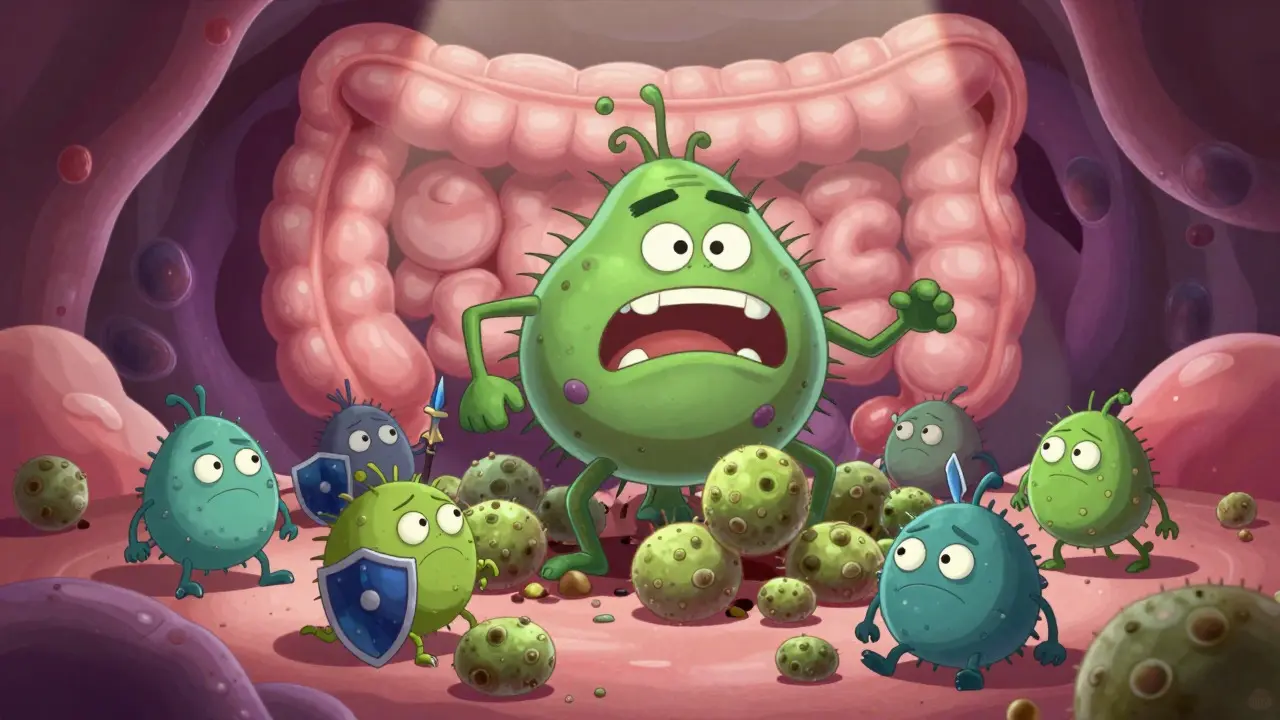
Your gastrointestinal tract is home to trillions of microorganisms, collectively known as the microbiome. These microbes form a protective barrier. Under normal conditions, they compete for space and nutrients, preventing harmful invaders from taking hold. C. difficile is a bacterium that can exist harmlessly in small numbers in the intestines of healthy people. It produces spores that are resistant to many standard treatments, including heat and some disinfectants.
When you take broad-spectrum antibiotics, such as fluoroquinolones or cephalosporins, you destroy the competing 'good' bacteria. With the competition gone, C. difficile spores germinate and multiply rapidly. The bacteria then release toxins that damage the lining of the colon, leading to inflammation, watery diarrhea, and in severe cases, life-threatening complications like toxic megacolon. This process highlights why antibiotic stewardship is not just about preserving drug efficacy but also about maintaining internal ecological balance.
The Rise of Antimicrobial Resistance (AMR)
While C. difficile infections are a direct consequence of gut flora disruption, antimicrobial resistance is a broader evolutionary threat. Bacteria evolve quickly. When exposed to antibiotics, susceptible bacteria die, but those with natural genetic mutations that allow them to survive reproduce and pass on their resistance traits. This is natural selection in action, accelerated by human behavior.
Antimicrobial resistance (AMR) occurs when microorganisms-bacteria, viruses, fungi, and parasites-change over time so that current medicines no longer work. According to the World Health Organization's Global Antibiotic Resistance Surveillance Report 2025, one in six laboratory-confirmed bacterial infections worldwide in 2023 were resistant to standard treatments. This means that for every ten people treated for a common bacterial infection, one might find that the prescribed drug does not work effectively. The result? Longer illnesses, higher medical costs, and increased mortality rates.
Resistance is not limited to one type of bug. It affects major pathogens like Escherichia coli (E. coli), which causes urinary tract infections and sepsis, and Staphylococcus aureus, a common skin and bloodstream pathogen. For example, methicillin-resistant Staphylococcus aureus (MRSA) remains a significant challenge in hospitals and communities alike. As first-line treatments fail, doctors are forced to use stronger, more toxic last-resort antibiotics, which carry their own side effects and further contribute to resistance cycles.

Risk Factors: Who Is Most Vulnerable?
Not everyone who takes an antibiotic will develop C. difficile or encounter a resistant bug. However, certain factors significantly increase your risk. Understanding these can help you make informed decisions with your healthcare provider.
- Age: Adults over 65 are at higher risk due to weakened immune systems and more frequent healthcare interactions.
- Recent Antibiotic Use: The most significant risk factor for C. difficile is recent exposure to antibiotics, particularly within the last 90 days.
- Hospitalization: Hospitals are reservoirs for resistant bacteria and C. difficile spores. Prolonged stays increase exposure.
- Gastrointestinal Conditions: People with inflammatory bowel disease or those using proton pump inhibitors (PPIs) to reduce stomach acid may be more susceptible, as stomach acid normally helps kill ingested spores.
- Weakened Immune System: Cancer patients, organ transplant recipients, and those with HIV/AIDS face higher risks due to compromised defenses.
Comparing the Threats: AMR vs. C. difficile
It is easy to conflate these two issues, but they operate differently. To clarify, here is a comparison of how Antimicrobial resistance and C. difficile infections manifest and impact patient care.
| Feature | Antimicrobial Resistance (AMR) | C. difficile Infection |
|---|---|---|
| Primary Cause | Bacterial evolution due to antibiotic pressure | Disruption of gut microbiome by antibiotics |
| Onset | During or after treatment of existing infection | Usually during or shortly after antibiotic course |
| Key Symptom | Infection fails to respond to prescribed drugs | Watery diarrhea, fever, abdominal pain |
| Prevention Focus | Correct diagnosis, appropriate dosing, avoiding unnecessary use | Hand hygiene, minimizing unnecessary antibiotics, probiotics (debated) |
| Long-term Impact | Global loss of effective treatments | High recurrence rate (up to 30% in first year) |
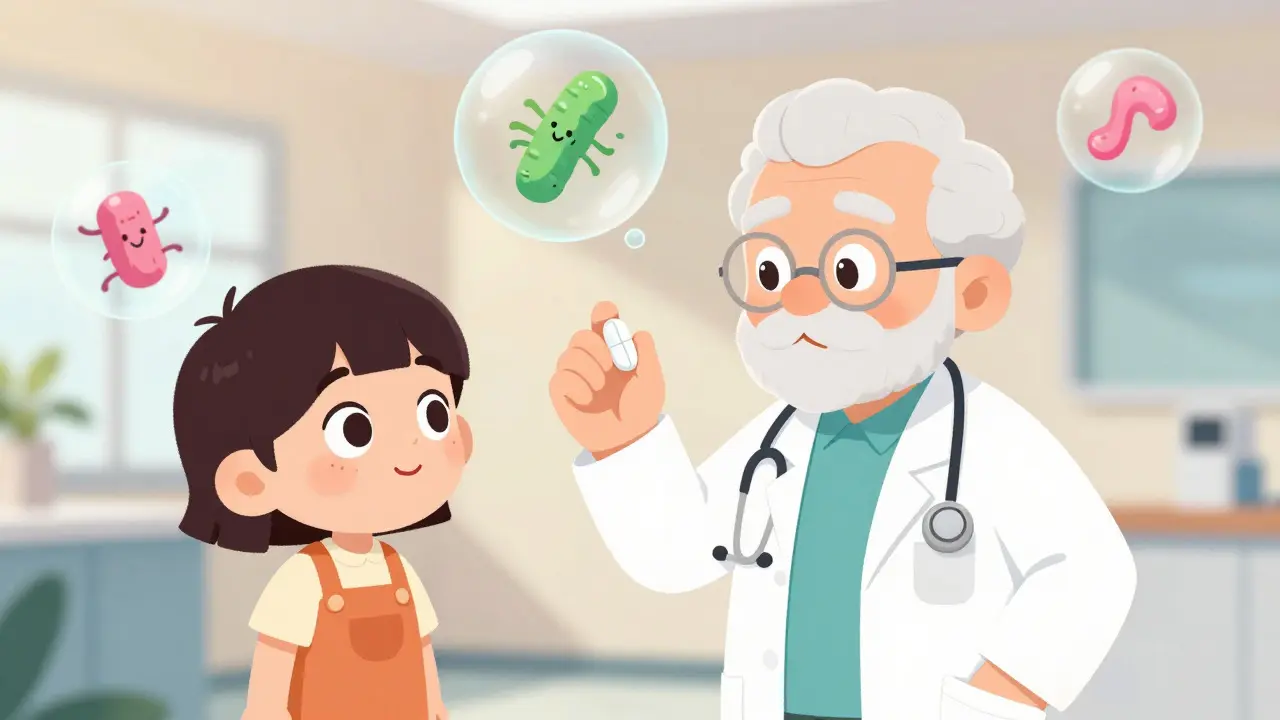
Practical Steps to Minimize Your Risk
You do not need to fear all antibiotics, but you should use them wisely. Here is how you can protect yourself and your family from the dual threats of resistance and C. difficile.
- Ask Before You Take: Always ask your doctor if the infection is truly bacterial. Antibiotics do not work on viruses like the common cold or flu. If a viral infection is suspected, ask what symptoms would indicate a bacterial complication requiring medication.
- Complete the Course: Unless told otherwise, finish the full prescribed duration. Stopping early leaves surviving bacteria that may be more resistant.
- Monitor for Side Effects: Watch for signs of C. difficile, such as persistent watery diarrhea (three or more loose stools in 24 hours), fever, or stomach cramps. Contact your doctor immediately if these occur, even after finishing the antibiotic.
- Practice Hygiene: Wash hands thoroughly with soap and water. Alcohol-based hand sanitizers do not kill C. difficile spores effectively, so physical washing is crucial in healthcare settings.
- Support Your Microbiome: While evidence varies, consuming fermented foods like yogurt, kefir, or sauerkraut may help restore gut balance after antibiotic use. Discuss prebiotic or probiotic supplements with your doctor before starting them.
The Future of Treatment and Prevention
The global community is waking up to the severity of this crisis. The WHO projects that without intervention, resistant infections could cause $3 trillion in annual global GDP losses by 2030. New strategies are emerging, including phage therapy (using viruses to kill bacteria) and fecal microbiota transplantation (FMT), which has shown remarkable success in treating recurrent C. difficile cases. FMT involves transferring stool from a healthy donor to the patient’s colon to restore a diverse microbiome.
However, prevention remains the most cost-effective and accessible tool. By becoming informed consumers of healthcare, you play a vital role in slowing the spread of resistance and protecting your own gut health. The next time you are offered an antibiotic, pause and consider the broader implications. It is not just about curing today’s symptom; it is about preserving the tools we need for tomorrow’s health challenges.
Can I get C. difficile without taking antibiotics?
Yes, although it is less common. Risk factors include advanced age, weakened immune system, use of proton pump inhibitors, and prior hospitalization. However, antibiotic use remains the single strongest predictor of developing the infection.
Do probiotics prevent C. difficile?
Evidence is mixed. Some studies suggest that taking specific strains of probiotics, such as Saccharomyces boulardii or Lactobacillus species, may reduce the risk of C. difficile recurrence. However, they are not a guaranteed preventive measure and should be discussed with a healthcare provider.
How long does it take for gut bacteria to recover after antibiotics?
Research suggests that while some bacterial diversity returns within weeks, full restoration of the microbiome to its pre-antibiotic state can take months or even years in some individuals. This prolonged vulnerability window is why monitoring for C. difficile symptoms is important well after the course ends.
Are all antibiotics equally risky for causing C. difficile?
No. Broad-spectrum antibiotics like clindamycin, fluoroquinolones, and cephalosporins are associated with a higher risk of C. difficile because they wipe out a wider range of protective gut bacteria. Narrow-spectrum antibiotics pose a lower risk but still require careful management.
What is the difference between C. difficile infection and colitis?
Colitis is a general term for inflammation of the colon. C. difficile infection is a specific cause of infectious colitis. Other causes include inflammatory bowel disease (IBD), ischemic colitis, and other bacterial infections. Diagnosis requires specific testing to identify C. difficile toxins or genes.