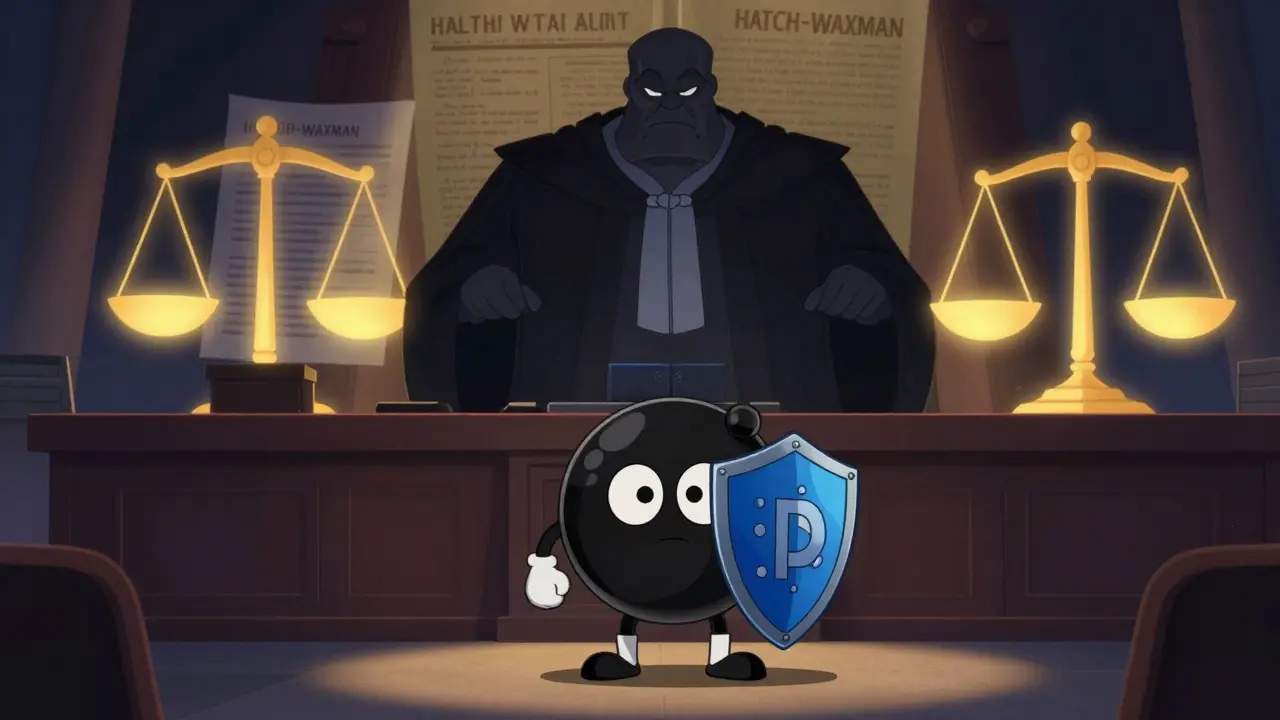
Imagine needing a life-saving medication but having to choose between paying hundreds of dollars for the brand-name version or risking your health by skipping doses. For millions of people, this isn't just a hypothetical scenario-it's daily reality. The gap between these two outcomes often comes down to one thing: antitrust laws. These regulations are designed to keep competition alive in the pharmaceutical industry, ensuring that cheaper generic alternatives reach the market as soon as patents expire.
When antitrust enforcement works correctly, it drives prices down dramatically. When it fails, companies use legal loopholes and aggressive tactics to delay generic entry, keeping prices artificially high. Understanding how these laws function-and where they break down-is crucial for patients, policymakers, and anyone concerned about healthcare costs.
The Foundation: Hatch-Waxman and Generic Entry
To understand today's battles over drug pricing, we need to look back at 1984. That year, the U.S. passed the Drug Price Competition and Patent Term Restoration Act, commonly known as Hatch-Waxman. This legislation created a delicate balance. On one side, it protected innovation by allowing branded manufacturers to extend patent terms slightly to compensate for time lost during regulatory approval. On the other side, it opened the door for generic competitors.
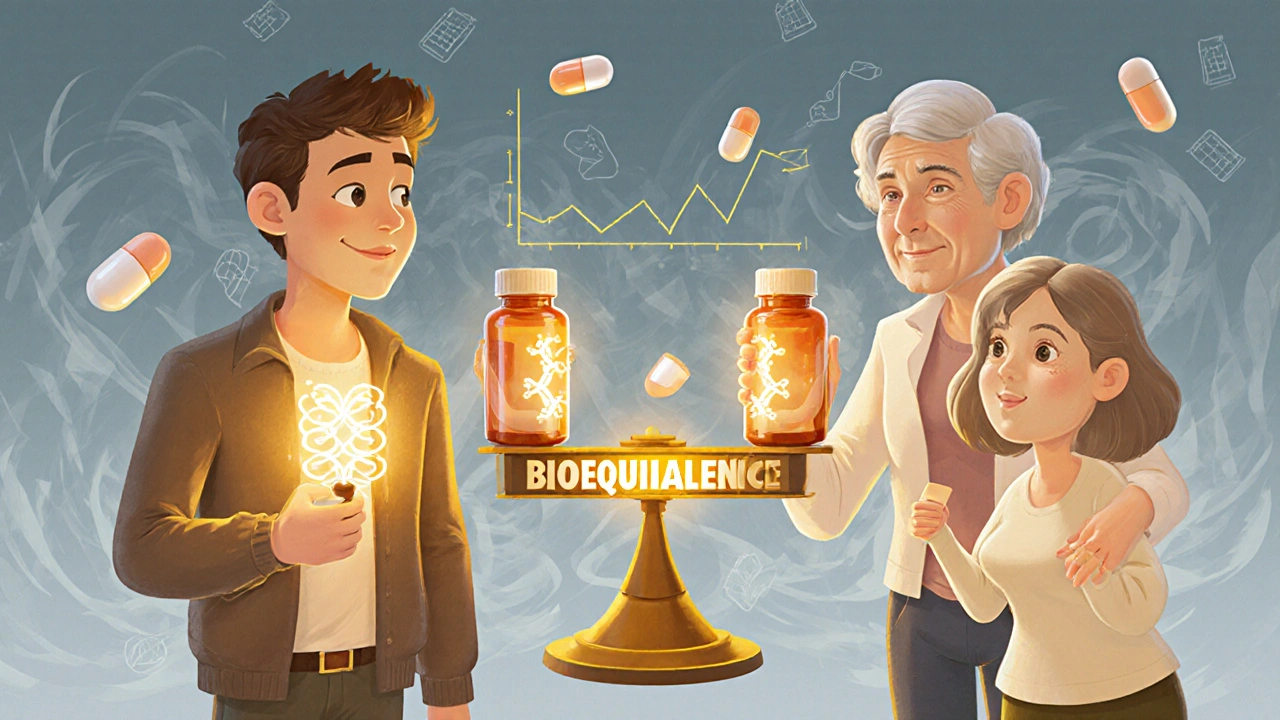
The key mechanism here is the Abbreviated New Drug Application (ANDA). Instead of repeating expensive clinical trials, generic manufacturers file an ANDA to prove their drug is bioequivalent to the brand-name version. If they want to enter the market before the patent expires, they can file a "Paragraph IV certification." This certification asserts that the brand's patent is either invalid or not infringed upon.
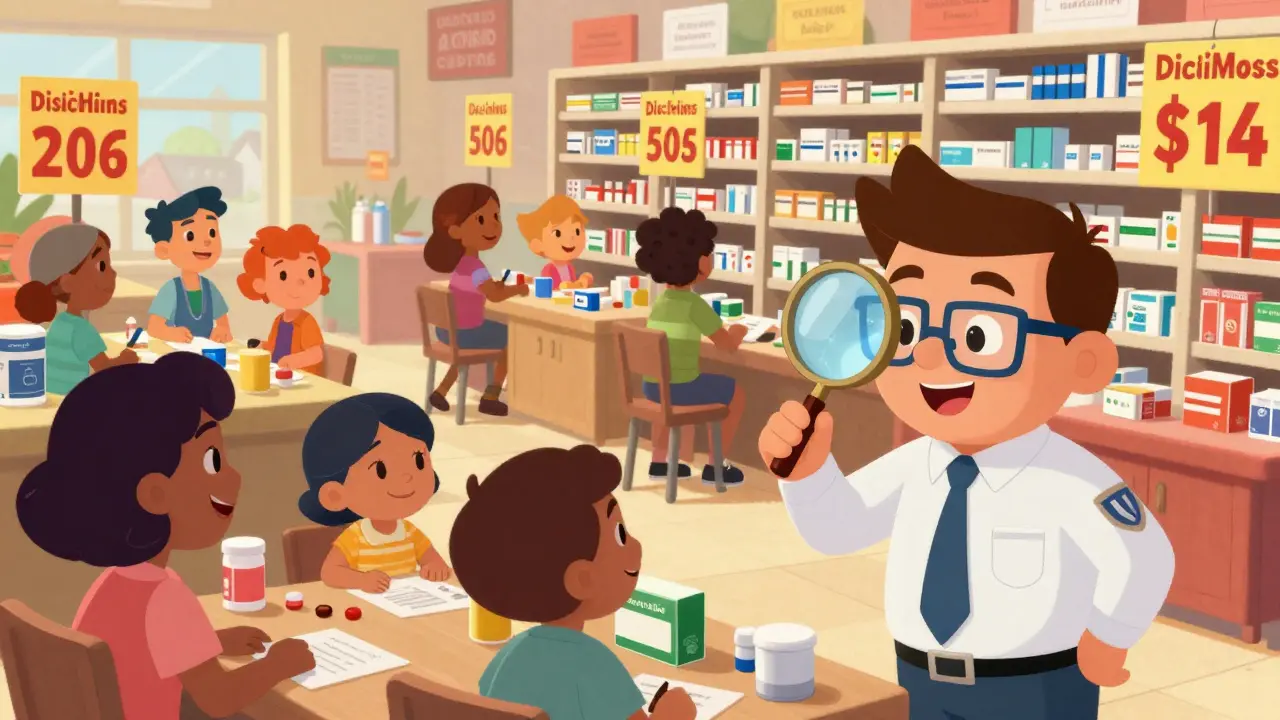
Here’s the incentive structure that makes this system work: the first generic company to successfully challenge a patent gets 180 days of exclusive market access. During this window, no other generics can compete. This exclusivity period is incredibly lucrative, encouraging smaller firms to take on massive pharmaceutical corporations in court. The result? A surge in generic availability. In 1984, generics accounted for only 19% of prescription sales. By 2016, that number hit 90%. Consumers saved $1.68 trillion between 2005 and 2014 alone.
The Dark Side: Pay-For-Delay Agreements
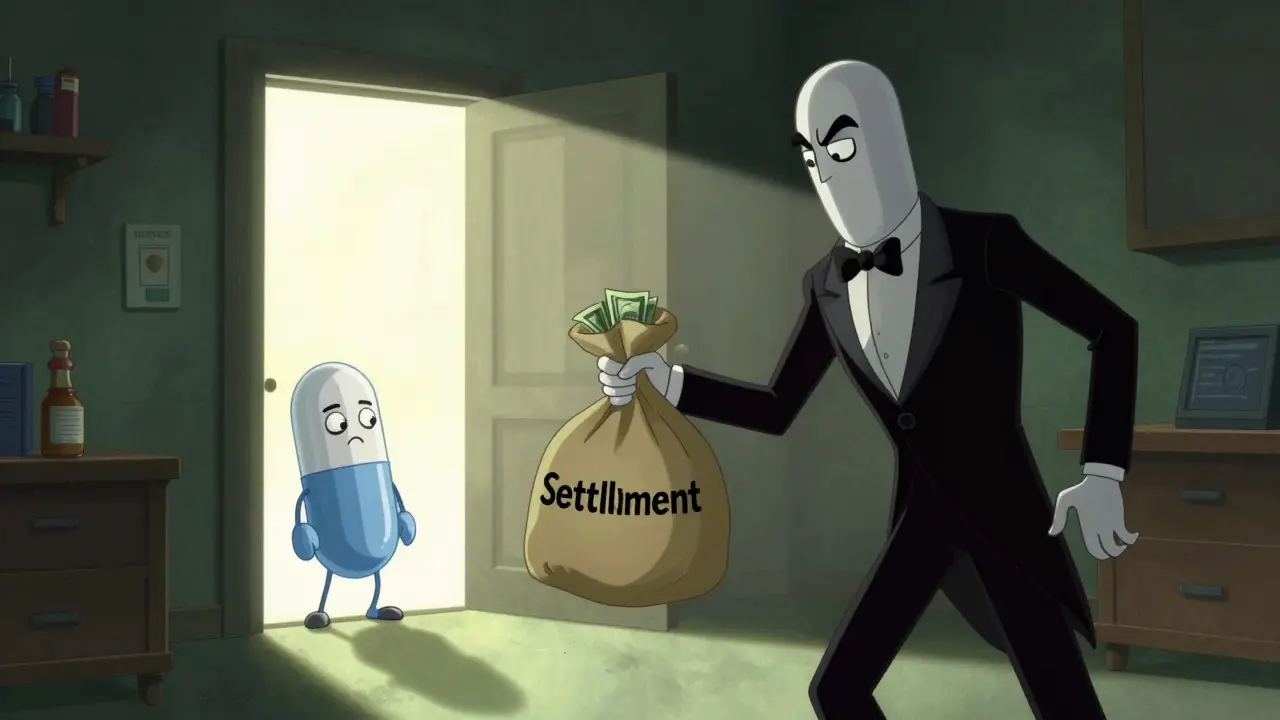
If the system was so effective, why are drug prices still soaring? Enter "pay-for-delay" agreements. These occur when a brand-name manufacturer pays a generic challenger to drop its lawsuit and stay off the market. Essentially, the brand buys silence. While this might look like a standard settlement, antitrust authorities view it differently because it harms consumers by delaying cheaper options.
In 2013, the U.S. Supreme Court ruled in FTC v. Actavis that these reverse payments could violate antitrust laws if the payment size is unexplained and large enough to incentivize delay. Since then, enforcement has tightened. For example, Gilead Sciences paid $246.8 million in 2023 to settle allegations that it thwarted competition for HIV medications. Between 2000 and 2023, the Federal Trade Commission (FTC) handled 18 such cases, resulting in settlements totaling over $1.2 billion.
Why do brands pay billions to delay generics? Because the economics favor them. The entry of the first generic typically cuts prices by at least 20% within a year. If five generics compete, prices can drop by nearly 85%. Protecting even a few months of monopoly power translates into hundreds of millions of dollars in retained revenue.
Tactics Beyond Payment: Orange Book Abuse and Product Hopping
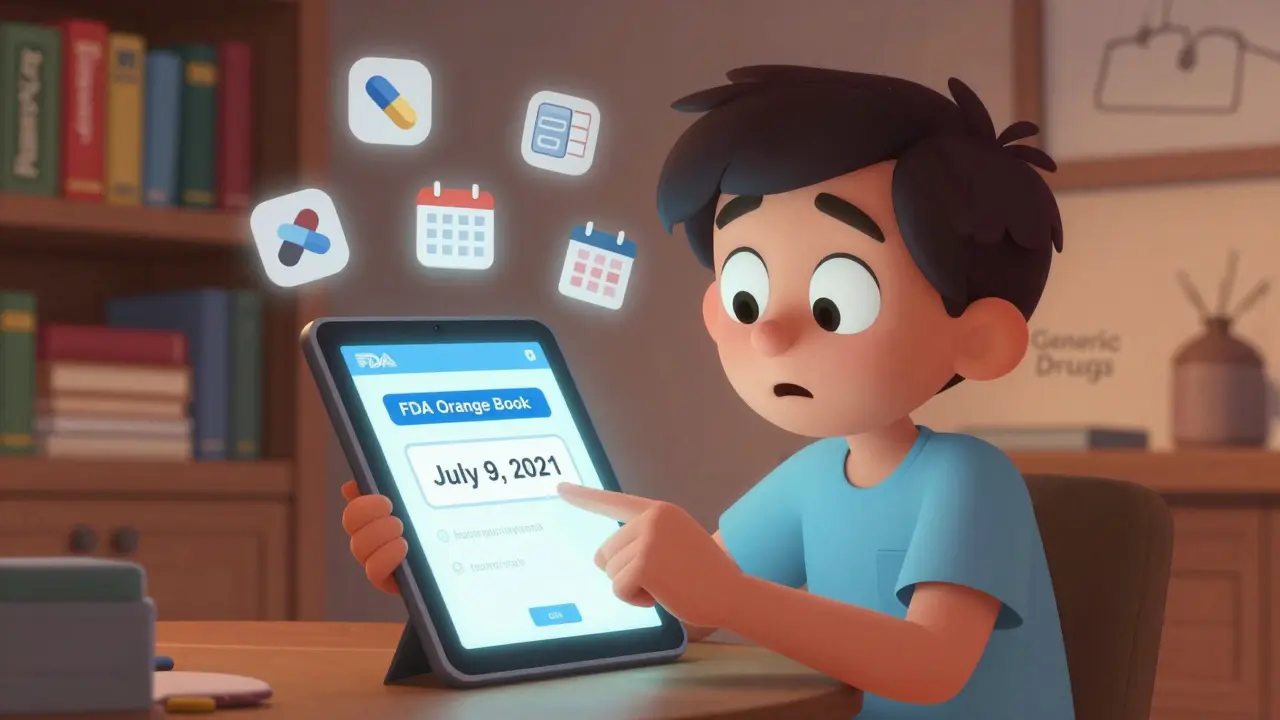
Not all anti-competitive behavior involves direct cash transfers. Companies also exploit regulatory frameworks to create barriers. One major tool is the FDA's "Orange Book," which lists patents associated with approved drugs. Manufacturers have been caught listing weak or irrelevant patents just to trigger automatic stays on generic approvals. In 2003, Bristol-Myers Squibb faced FTC action for improperly listing patents to block generic competition.
Another tactic is "product hopping." As a patent nears expiration, a brand might launch a slightly modified version of its drug-perhaps changing the dosage form or adding a new feature-and aggressively market the new product while quietly discontinuing the old one. This forces doctors and patients to switch, leaving the original generic behind. The classic case involves AstraZeneca, which transitioned users from Prilosec to Nexium. Courts have struggled to define the line between legitimate innovation and anti-competitive maneuvering, but the FTC remains vigilant.
Sham citizen petitions are another concern. Generic applicants must wait 60 days after filing an ANDA before marketing, unless the brand challenges the application. Brands sometimes file frivolous petitions to the FDA claiming safety issues, forcing regulators to investigate and delaying generic launch indefinitely. Teva Pharmaceuticals recently faced FTC scrutiny for allegedly using this tactic to protect its multiple sclerosis drug, Copaxone.
Global Perspectives: EU and China Approaches
While the U.S. focuses heavily on patent settlements, other regions tackle different aspects of market manipulation. In the European Union, the European Commission targets abuses of regulatory processes. Originator companies have been penalized for making misleading representations to patent offices to extend protection periods or withdrawing marketing authorizations strategically to prevent generic entry in specific countries.
Disparagement campaigns are also a significant issue in Europe. Some originator companies spread false information about generic competitors, questioning their safety or efficacy without scientific basis. This undermines trust and reduces demand for lower-cost alternatives. The European Court of Justice has identified this as a clear violation of competition law.
China offers a newer perspective. In January 2025, it issued Antitrust Guidelines for the Pharmaceutical Sector, identifying five "hardcore restrictions": price fixing, output restrictions, market division, joint boycotts, and limits on new technology development. Chinese authorities are increasingly using AI to monitor pricing trends across digital platforms. As of early 2025, six pharmaceutical cases had been penalized, primarily involving price-fixing agreements conducted via messaging apps and algorithms.
| Region | Primary Focus Area | Key Enforcement Tool | Recent Development |
|---|---|---|---|
| United States | Pay-for-delay settlements | Supreme Court precedent (Actavis) | $246.8M Gilead settlement (2023) |
| European Union | Regulatory abuse & disparagement | European Commission investigations | €11.9B annual cost estimate (2023) |
| China | Price fixing & digital collusion | AI monitoring tools | New guidelines issued (Jan 2025) |
The Human Cost: Access and Adherence
Behind every legal case is a patient struggling to afford care. High prescription drug prices directly impact medication adherence. A 2022 Kaiser Family Foundation survey found that 29% of U.S. adults did not take medication as prescribed due to cost concerns. Delayed generic entry exacerbates this problem.
Consider the Congressional Budget Office's estimate: generic competition reduces prescription drug costs by 30-90% below branded prices. When antitrust violations prevent this competition, those savings vanish. Patients end up paying more, insurers face higher premiums, and taxpayers subsidize the difference through public programs like Medicare and Medicaid.
Consumer advocacy groups argue that antitrust enforcement isn't just about corporate profits-it's about public health. Every month a generic is delayed means thousands of patients miss doses or skip treatments entirely. The financial burden shifts from shareholders to households, often with devastating consequences.
Looking Ahead: Strengthening Enforcement
As pharmaceutical markets evolve, so do the tactics used to stifle competition. Digital platforms now facilitate collusion, requiring updated enforcement strategies. Regulators worldwide are adapting. The FTC continues to scrutinize product hopping and sham petitions, while the EU emphasizes transparency in patent filings. China’s integration of AI signals a future where real-time data monitoring could detect anti-competitive behavior faster than ever.
For stakeholders, the message is clear: robust antitrust enforcement protects both innovation and access. Without it, the promise of affordable healthcare remains out of reach. Policymakers must remain vigilant, ensuring that legal frameworks adapt to new challenges while preserving the competitive spirit that drives down costs and improves lives.
What is the Hatch-Waxman Act?
The Hatch-Waxman Act, officially known as the Drug Price Competition and Patent Term Restoration Act of 1984, is a U.S. law that balances incentives for pharmaceutical innovation with the promotion of generic drug competition. It allows branded manufacturers to extend patent terms slightly while enabling generic producers to file Abbreviated New Drug Applications (ANDAs) to enter the market earlier if they challenge existing patents.
How do pay-for-delay agreements affect drug prices?
Pay-for-delay agreements involve brand-name manufacturers paying generic challengers to withdraw lawsuits and delay market entry. This keeps generic competition away, maintaining high brand-name prices. Studies show generic entry can reduce prices by 20-85%, so delaying it preserves billions in revenue for brands while costing consumers significantly more.
What is Paragraph IV certification?
Paragraph IV certification is a statement filed by a generic manufacturer asserting that a brand-name drug's patent is invalid or not infringed. Filing this certification triggers a legal challenge, potentially allowing the generic to enter the market before the patent expires. The first successful filer receives 180 days of exclusivity.
Why is the Orange Book important in antitrust cases?
The Orange Book lists patents linked to approved drugs. Manufacturers can misuse it by listing weak or irrelevant patents to automatically block generic approvals. Antitrust agencies scrutinize these listings to ensure they aren't being used as anti-competitive tools rather than legitimate intellectual property protections.
How does product hopping harm consumers?
Product hopping occurs when a brand launches a modified version of its drug near patent expiration and pushes users to switch, abandoning the original formulation. This disrupts generic competition for the older version, forcing patients to adopt new, often pricier products without proven added benefit, thereby limiting choice and increasing costs.
What role does AI play in modern antitrust enforcement?
AI helps competition authorities monitor pricing trends and detect suspicious patterns indicative of collusion, especially in digital environments. Countries like China are leveraging AI to identify price-fixing behaviors facilitated through messaging apps or algorithms, enhancing their ability to enforce antitrust laws effectively.
How much do consumers save from generic competition?
Consumers have saved trillions due to generic competition. Between 2005 and 2014, savings totaled $1.68 trillion in the U.S., with $217 billion saved in 2012 alone. Generics typically cost 30-90% less than branded equivalents, making them essential for affordable healthcare access.
What are the hardcore restrictions under China's new guidelines?
China's 2025 Antitrust Guidelines identify five hardcore restrictions presumed to violate anti-monopoly laws: price fixing, output restrictions, market division, joint boycotts, and limits on new technology development. Violations can lead to severe penalties, reflecting stricter oversight of pharmaceutical market conduct.
Can disparaging generics be considered illegal?
Yes, spreading misleading information about generic competitors' safety or efficacy without scientific basis constitutes disparagement and violates competition laws in jurisdictions like the EU. Such tactics aim to reduce demand for cheaper alternatives, harming consumer welfare and distorting fair market competition.
Who enforces antitrust laws in the pharmaceutical sector?
In the U.S., the Federal Trade Commission (FTC) and Department of Justice (DOJ) enforce antitrust laws. In the EU, the European Commission handles major cases, while national competition authorities assist. China uses its State Administration for Market Regulation alongside specialized guidelines tailored to the pharmaceutical industry.






9 Comments
Justina Ingram
thats so messed up man :/
amit kumar
The part about China using AI to catch price fixing is wild but honestly makes total sense 🤖💊. If they can track algorithms, why cant the FTC just do it here? It feels like we are stuck in the stone age compared to that tech implementation.
Emma Olliff
Oh please. You think some magical AI tool is going to solve the inherent greed of pharmaceutical monopolies? It is laughable to suggest that technology alone fixes a moral failing of capitalistic structures designed to exploit the vulnerable. The real issue is not detection; it is the complete lack of political will to enforce existing laws with any semblance of justice. We have had these laws for decades and yet here we are, watching patients suffer while executives buy yachts. It is pathetic.
The article mentions 'pay-for-delay' as if it is a new phenomenon. It is not. It is systemic rot. To act surprised by this is to ignore the entire history of modern healthcare policy. The Hatch-Waxman act was supposed to be a balance, but it has been twisted into a weapon against competition rather than a shield for innovation. The exclusivity periods are nothing more than legalized bribery mechanisms disguised as intellectual property rights.
And let us not forget the EU approach. They actually understand that disparaging generics is a violation of basic consumer trust. Here in the US, we allow companies to spread fear-mongering propaganda about generic safety without consequence. It is disgusting. The human cost mentioned in the post is understated. People die because they cannot afford insulin or HIV medication. That is murder, plain and simple, enabled by antitrust enforcement that is asleep at the wheel.
victoria catharinaa
I get what you are saying but its not just about the money
its about people getting sick because they skip doses
my mom had to stop taking her heart meds last year because the generic was delayed
it really hurts to see families struggling like this
Glen Speck
the product hopping tactic is insidious because it hides behind the guise of progress
they claim the new version is better when often it is just a way to reset the patent clock
we need stricter definitions on what constitutes legitimate innovation versus anti-competitive maneuvering
otherwise the system is broken beyond repair
Sam Mackellar
It is quite remarkable how the regulatory frameworks intended to protect public health have been co-opted by corporate interests. The Orange Book abuse cited in the article is particularly egregious. Listing weak patents to trigger automatic stays is a clear manipulation of the FDA process. This requires immediate legislative correction to ensure that patent listings are vetted for substantive validity before they can block generic entry. The current system allows for frivolous litigation that drains resources from both regulators and generic manufacturers.
Lori Wildrick
I hope things get better soon
maybe the new guidelines in China will inspire other countries to take action
we all deserve affordable healthcare
Diana Wiechecka
The savings stats are crazy 💰
$1.68 trillion saved is huge
why is this not common knowledge?
Kathryn Byrd
The distinction between the US focus on pay-for-delay and the EU focus on disparagement is interesting. It suggests different cultural approaches to market integrity. The US seems to prioritize financial settlements while the EU prioritizes information accuracy. Both are necessary but perhaps the EU model offers a clearer path to restoring consumer trust in generic alternatives.