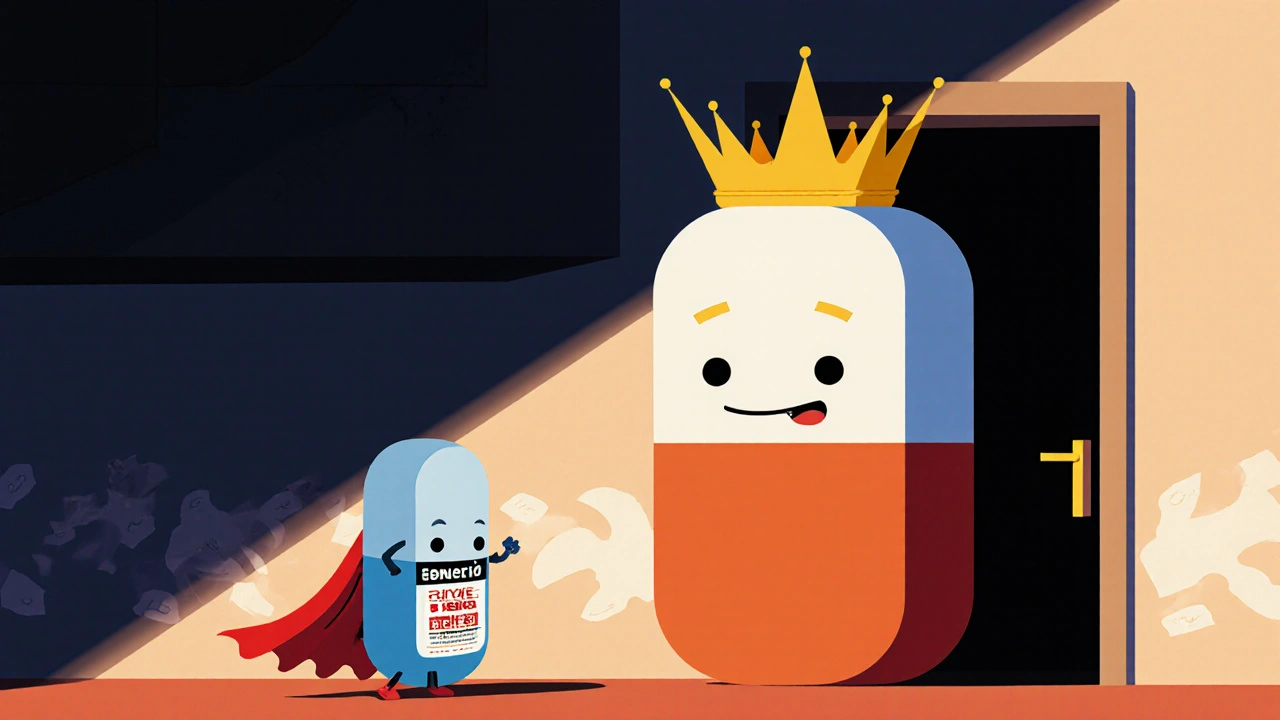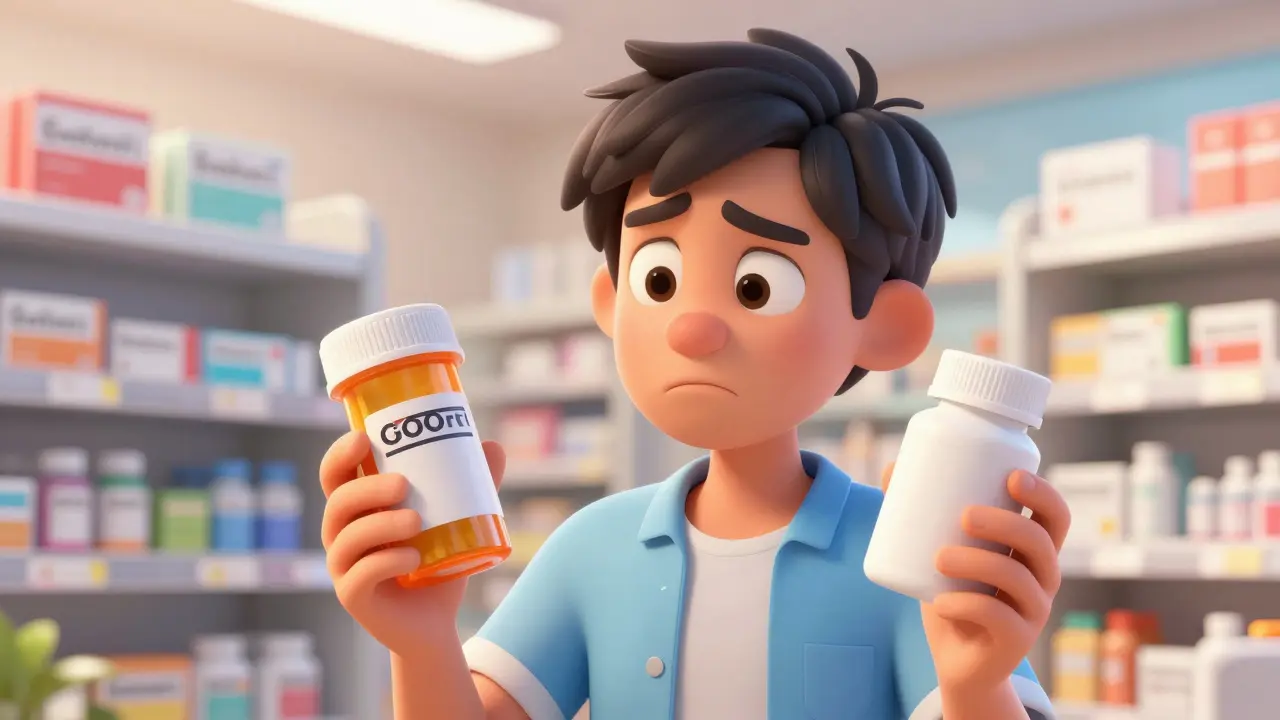
Have you ever picked up a prescription that looked different from the one you took for years? The color changed. The shape shifted. Maybe even the size got smaller. It’s a common anxiety for patients who rely on consistent medication to manage chronic conditions. But there is a third option sitting right between the expensive brand-name drug and the standard generic: the authorized generic. Unlike typical generics, these pills are made by the same company that makes the brand-name version. They contain the exact same ingredients. So, are they truly therapeutically equivalent to the brand? The short answer is yes. But understanding why-and how they differ from regular generics-can help you make smarter choices about your health and your wallet.
What Exactly Is an Authorized Generic?
To understand authorized generics, we first need to look at how the pharmaceutical market works in the United States. The framework was established by the Drug Price Competition and Patent Term Restoration Act of 1984, commonly known as the Hatch-Waxman Act. This law created a pathway for generic drugs to enter the market once brand-name patents expired, aiming to lower costs while protecting innovation.
Typical generic drugs must prove they are bioequivalent to the brand-name drug through an Abbreviated New Drug Application (ANDA). This means they deliver the same amount of active ingredient into your bloodstream in the same amount of time. However, they can use different inactive ingredients-like fillers, binders, or dyes. This is why a generic might look or taste different.
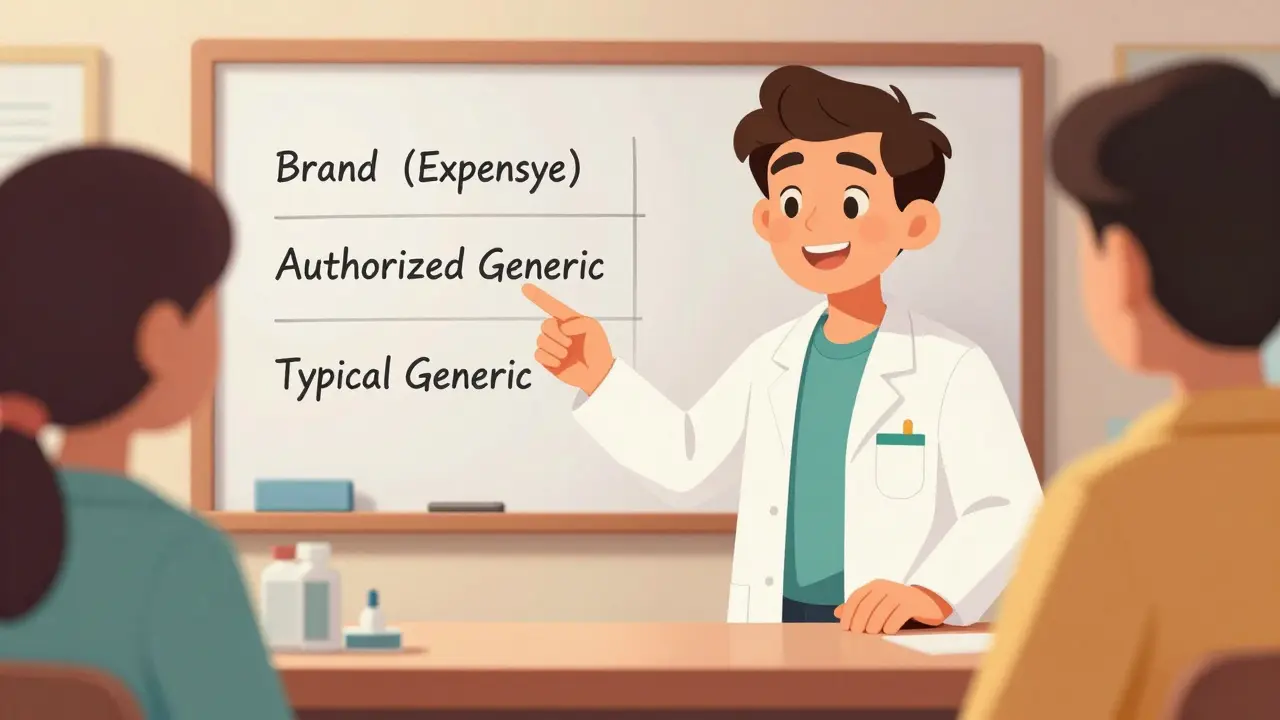
An authorized generic is different. It is manufactured by the brand-name company itself (or under its direct license) but sold without the brand name on the label. According to the U.S. Food and Drug Administration (FDA), it is "the exact same drug product as the branded product." It uses the same formulation, the same manufacturing process, and the same quality controls. The only difference is the price tag and the absence of the trademarked logo.
The Regulatory Pathway: NDA vs. ANDA
The biggest technical distinction lies in how these drugs are approved. Brand-name drugs go through a full New Drug Application (NDA) process, which involves extensive clinical trials to prove safety and efficacy. Typical generics skip most of these trials because they reference the brand’s data, filing an ANDA instead.
Authorized generics ride on the brand’s original NDA. Because they are identical to the brand, they do not need their own separate approval process. This has a major consequence: authorized generics do not appear in the FDA’s Orange Book (officially titled *Approved Drug Products with Therapeutic Equivalence Evaluations*). The Orange Book lists drugs approved via ANDA. Since authorized generics are essentially the brand drug re-labeled, they are absent from this list. This often confuses pharmacists and insurance systems, which rely on the Orange Book to determine substitution rules.
| Feature | Brand-Name Drug | Authorized Generic | Typical Generic |
|---|---|---|---|
| Manufacturer | Brand Company | Brand Company (or licensee) | Third-Party Manufacturer |
| Active Ingredients | Original Formulation | Identical to Brand | Bioequivalent to Brand |
| Inactive Ingredients | Original Formulation | Identical to Brand | May Differ (Fillers/Dyes) |
| Approval Pathway | New Drug Application (NDA) | New Drug Application (NDA) | Abbreviated New Drug Application (ANDA) |
| Listed in Orange Book? | Yes | No | Yes |
| Price Point | Highest | Moderate (Lower than Brand) | Lowest |
Therapeutic Equivalence: What Do Studies Say?
If the pill is the same, does it work the same? The concept of therapeutic equivalence refers to the expectation that two drugs will produce the same clinical effect and safety profile when administered to patients in the same dosage regimen.
Research supports the idea that authorized generics are clinically indistinguishable from their brand counterparts. A retrospective cohort study published in PMC (2018) analyzed outcomes for seven different drugs between 1999 and 2014. The study followed 5,234 unique patients who switched from brand drugs to generics. Among them, those who received authorized generics showed similar rates of hospitalization, urgent care visits, and medication discontinuation compared to those who received typical generics. In fact, the study found no significant clinical difference between using the brand (proxied by the authorized generic) and the typical generic.
Dr. Janet Woodcock, former Director of the FDA’s Center for Drug Evaluation and Research, has emphasized that authorized generics provide the same therapeutic effect because they contain identical active and inactive ingredients. For patients sensitive to fillers or dyes-common concerns with birth control pills or certain psychiatric medications-authorized generics offer a peace of mind that typical generics cannot. You aren’t just getting a bioequivalent dose; you’re getting the exact same chemical composition.

Why Do Brand Companies Sell Their Own Generics?
You might wonder why a profitable brand-name company would undercut itself. The strategy is rooted in market dynamics. When a patent expires, multiple manufacturers can flood the market with typical generics, driving prices down drastically. By introducing an authorized generic, the brand company captures some of that savings-driven demand. They maintain a presence in the lower-cost segment without having to compete against themselves entirely.
This practice, however, has drawn scrutiny. The Government Accountability Office (GAO) noted in a 2020 report that some companies use authorized generics as a competitive tactic. They might introduce their own authorized generic to gain market share while simultaneously using patent litigation to delay the entry of independent, cheaper generic competitors. While this doesn’t change the quality of the drug you receive, it impacts the broader pricing landscape. For the individual patient, though, the result is often a lower-cost option that retains the trusted formulation of the brand.
Navigating Pharmacy Systems and Insurance
From a practical standpoint, authorized generics can be tricky to spot. Because they are not listed in the Orange Book, pharmacy software may not automatically substitute them for brand-name prescriptions unless specifically programmed to do so. Pharmacists play a crucial role here. They must recognize that an authorized generic has a different National Drug Code (NDC) than the brand, even though the contents are identical.
Insurance reimbursement can also vary. Some health plans treat authorized generics as distinct from both brands and typical generics. Fidelis Care (2019) notes that proper documentation is essential; pharmacists must clearly note when an authorized generic is dispensed, as copays may differ. If you prefer the consistency of an authorized generic over a typical one, you should ask your pharmacist if it’s available and whether your insurance covers it at a tier similar to the brand or the generic.
When Might You Prefer an Authorized Generic?
For most medications, typical generics are safe, effective, and significantly cheaper. The FDA requires all generics to meet strict standards for identity, strength, purity, and quality. However, there are specific scenarios where an authorized generic makes sense:
- Sensitivity to Inactive Ingredients: If you have experienced allergic reactions or gastrointestinal issues due to fillers or dyes in typical generics, an authorized generic eliminates this variable since it uses the brand’s original excipients.
- Narrow Therapeutic Index (NTI) Drugs: These are medications where small differences in blood concentration can lead to treatment failure or toxicity (e.g., warfarin, levothyroxine). While typical generics must meet tight bioequivalence ranges, some patients and providers prefer the absolute consistency of the authorized generic’s identical formulation.
- Psychological Comfort: The "nocebo effect" is real. If a patient believes a generic won’t work as well, they may report fewer benefits. Knowing you are taking the exact same pill as the brand, just without the logo, can improve adherence and confidence.
Conclusion: Same Pill, Different Label
Authorized generics occupy a unique middle ground in the pharmaceutical market. They are not a compromise. They are the brand-name drug, stripped of its marketing markup. If you are worried about whether an authorized generic is therapeutically equivalent to the brand, the regulatory science and clinical data say yes. It is the same molecule, the same filler, the same manufacturing line. The only thing missing is the brand name on the bottle. Understanding this distinction empowers you to discuss options with your healthcare provider and choose the path that balances cost, comfort, and clinical needs.
Are authorized generics listed in the FDA Orange Book?
No, authorized generics are not listed in the FDA Orange Book. The Orange Book only includes drugs approved through the Abbreviated New Drug Application (ANDA) process. Authorized generics are marketed under the brand-name drug's existing New Drug Application (NDA), so they do not require separate listing.
Is an authorized generic cheaper than a brand-name drug?
Yes, authorized generics are typically priced lower than brand-name drugs. While they are often more expensive than typical generics, they offer a significant cost saving compared to the branded version while maintaining the exact same formulation.
Can I request an authorized generic from my pharmacist?
You can ask, but availability depends on the pharmacy's supply chain and your insurance plan. Since authorized generics are not always automatically substituted, you may need to specifically request them or have your prescriber write "Dispense as Written" if your insurance allows coverage for this tier.
Do authorized generics have the same side effects as brand-name drugs?
Yes. Because authorized generics contain identical active and inactive ingredients and are manufactured by the same company using the same processes, their safety profile and side effect potential are exactly the same as the brand-name drug.
Why do some patients prefer authorized generics over typical generics?
Some patients prefer authorized generics due to concerns about inactive ingredients (fillers, dyes) used in typical generics, which can cause sensitivities. Others prefer them for psychological reasons, wanting the assurance of the exact brand formulation without paying the premium price.