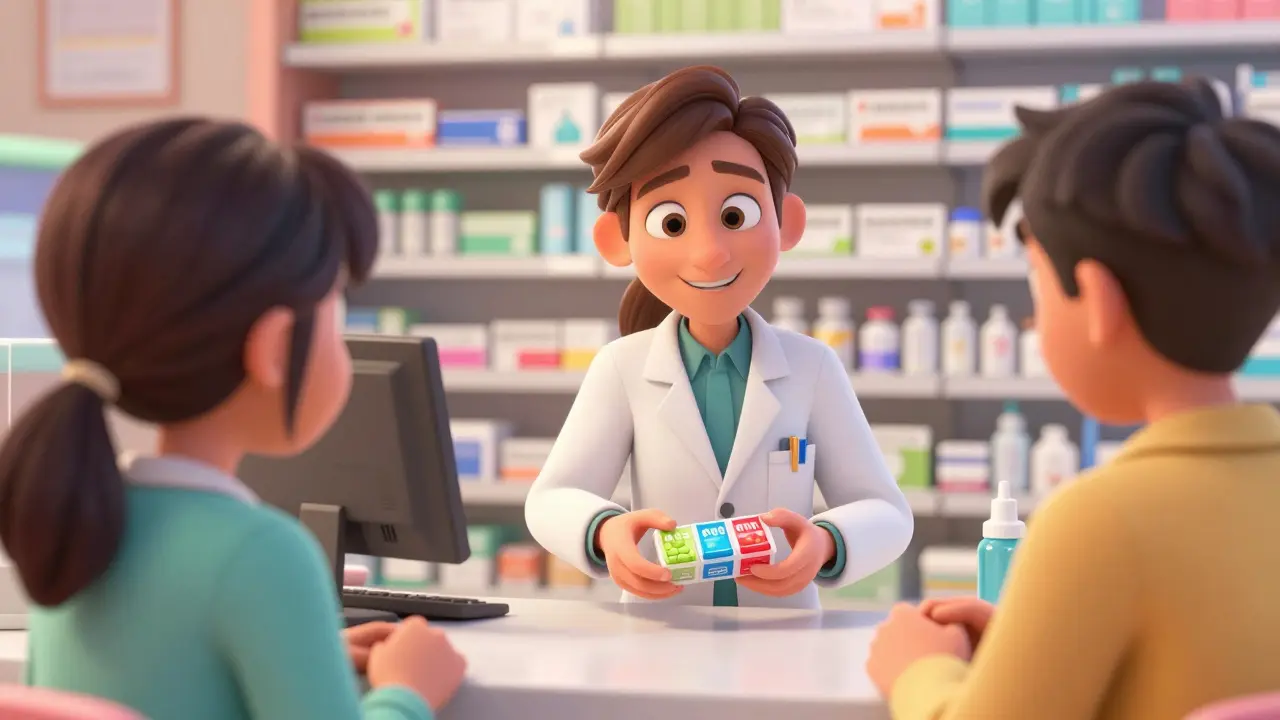
Imagine you’re at the pharmacy counter, holding a prescription for a heart medication that costs $300 a month. The pharmacist hands you a different-looking pill in a generic box and says it’s only $15. You hesitate. Is it really the same? Does the cheaper version work just as well, or are you risking your health to save money? This is the exact dilemma millions of people face every day.
The short answer is yes, generic drugs are safe and effective for the vast majority of patients. But the story behind why they look different, how they are tested, and when you might actually want to stick with the brand name is more nuanced than most people realize. Understanding this can help you make confident decisions about your health without overspending.
What Makes a Drug "Generic"?
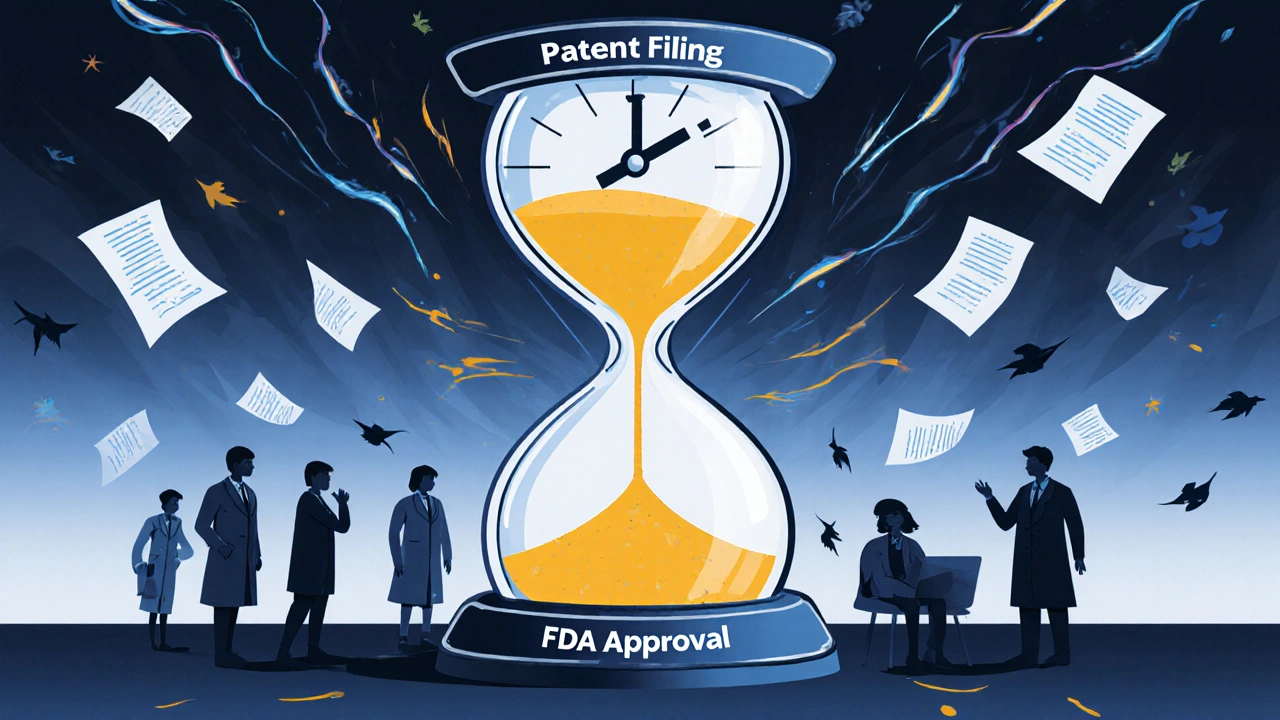
To understand generics, you first have to understand patents. When a pharmaceutical company develops a new drug, they spend billions of dollars and years conducting clinical trials to prove it works. In return, governments grant them a patent-a temporary monopoly-that allows them to sell the drug exclusively for a set period, usually around 20 years from filing. During this time, no one else can make that specific chemical compound. This is why brand-name drugs like Lipitor or Plavix used to cost hundreds of dollars per month.
Once that patent expires, other manufacturers can step in. These companies don’t need to repeat those expensive, multi-year human trials. Instead, they rely on a legal framework established by the Drug Price Competition and Patent Term Restoration Act, commonly known as the Hatch-Waxman Act, signed into law in 1984. This act created a streamlined approval pathway. Generic manufacturers must prove their product is bioequivalent to the original brand-name drug, but they do not need to prove it is safe or effective through large-scale patient studies again. That data already exists.
This system has revolutionized healthcare. Today, generics make up about 90% of all prescriptions filled in the United States. In fiscal year 2023 alone, the FDA approved over 1,000 new generic applications. This competition drives prices down dramatically, saving the U.S. healthcare system an estimated $373 billion annually. For the average person, this means the difference between being able to afford life-saving medication and struggling to pay for it.
Understanding Bioequivalence: It’s Not Just About Ingredients
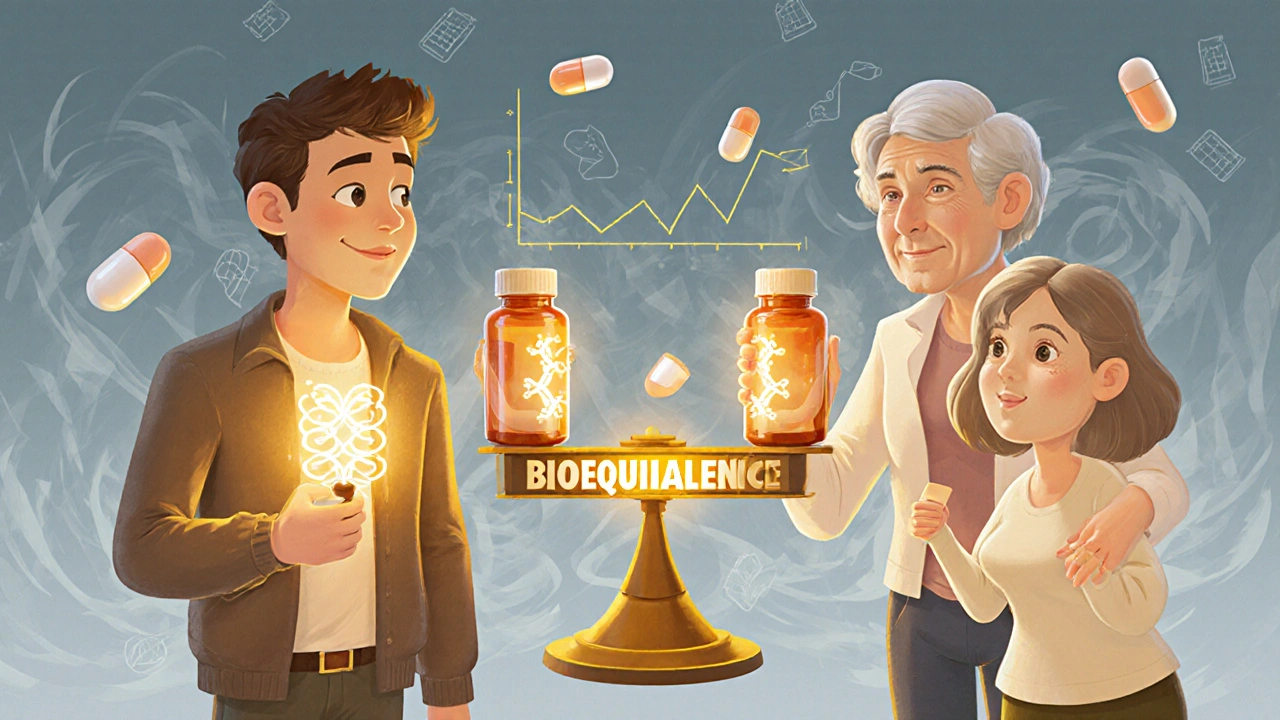
The term "bioequivalence" gets thrown around a lot, but what does it actually mean? Many people mistakenly believe that because generic pills are cheaper, they contain less active ingredient. This is false. By law, a generic drug must contain the exact same active ingredient, in the exact same strength and dosage form (tablet, capsule, liquid), and be taken the same way (oral, injection, etc.) as the brand-name reference listed drug.
So, if the ingredients are identical, why the price difference? And why do the pills sometimes look different? The color, shape, and size can vary because generic manufacturers aren’t required to match the brand’s trademarked appearance. More importantly, they can use different inactive ingredients-fillers, binders, and dyes that hold the pill together or affect its taste. While these don’t treat the condition, they can influence how quickly the drug dissolves in your body.
This is where bioequivalence testing comes in. The FDA requires generic makers to conduct randomized crossover trials with healthy volunteers. They measure two key pharmacokinetic parameters:
- Cmax (Maximum Peak Concentration): How high the drug levels get in your blood.
- AUC (Area Under the Curve): How much total drug exposure you get over time.
For a generic to be approved, the 90% confidence intervals for both Cmax and AUC must fall within 80% to 125% of the brand-name drug’s values. This range often confuses people. It doesn’t mean the generic contains 80-125% of the active ingredient. It means the rate and extent of absorption can vary slightly within that statistical window. In practice, analysis of thousands of studies shows the average difference is tiny-about 3.5% to 4.3%. For most medications, this variation is clinically insignificant. Your body processes the drug effectively regardless.
When Does the Difference Matter? Narrow Therapeutic Index Drugs
While generics are equivalent for most conditions, there is a critical exception: Narrow Therapeutic Index (NTI) drugs. These are medications where the line between a helpful dose and a harmful dose is very thin. If your blood level of the drug fluctuates even slightly outside the target range, it could lead to treatment failure or serious side effects.
Common NTI drugs include:
- Warfarin: A blood thinner used to prevent strokes.
- Levothyroxine: Used to treat hypothyroidism.
- Phenytoin: An anti-seizure medication.
- Lithium: Used for bipolar disorder.
- Digoxin: Used for heart failure.
For these medications, small changes in absorption can have big consequences. For example, switching brands of levothyroxine might cause thyroid hormone levels to drift, leading to fatigue or heart palpitations until the dose is adjusted. Similarly, warfarin users need consistent INR levels to avoid clotting or bleeding risks.
This doesn’t mean you should never take generics for these conditions. It means you need closer monitoring. Pharmacists and doctors often recommend sticking with one specific manufacturer’s generic version once you find one that works well for you, rather than switching back and forth between different generic suppliers. The FDA categorizes generics using an "Orange Book" rating system. Look for products rated "AB," which indicates the highest level of bioequivalence assurance. "B" rated generics meet requirements but may have differences in formulation that make them less ideal for substitution in sensitive cases.
| Feature | Brand-Name Drug | Generic Drug |
|---|---|---|
| Active Ingredient | Original patented formula | Identical to brand |
| Inactive Ingredients | Proprietary mix | May differ (fillers, dyes) |
| Cost | High ($$$) | Low ($ - $$) |
| Approval Process | Full clinical trials (safety & efficacy) | Bioequivalence study only |
| Appearance | Trademarked shape/color | Varies by manufacturer |
| Efficacy | Proven effective | Clinically equivalent (80-125% bioequivalence range) |
The Cost Factor: Why Savings Matter
Let’s talk numbers. The cost difference isn’t just a little bit; it’s massive. On average, generic drugs cost 80-85% less than their brand-name counterparts. Consider atorvastatin (Lipitor). A 30-day supply of the brand name can cost over $300, while the generic version can often be obtained for free or under $10 with coupons or insurance copays. Clopidogrel (Plavix) follows a similar pattern, dropping from roughly $450 for the brand to near zero for the generic.
These savings aren’t just good for your wallet; they improve public health outcomes. When medications are affordable, patients are more likely to fill their prescriptions and adhere to their treatment plans. Studies show that higher out-of-pocket costs are a leading cause of non-adherence, which leads to worse health outcomes and higher emergency room visits. By lowering the barrier to entry, generics ensure that essential treatments for hypertension, cholesterol, and diabetes remain accessible to everyone, not just those with premium insurance.
Market data supports this shift. In 2023, generics accounted for 90.1% of prescriptions filled in the U.S., yet they represented only 23% of total drug spending. Medicare Part D beneficiaries see even higher generic usage rates (92%) compared to commercial plans (87%), reflecting how formularies are designed to incentivize cost-effective choices.
Patient Experiences and Persistent Myths
Despite the overwhelming scientific evidence, skepticism remains. A 2022 survey found that 43% of patients believed generics were less effective, and nearly a third refused to switch when offered. Why? Often, it’s due to anecdotal experiences or marketing campaigns by brand-name manufacturers that subtly cast doubt on generics.
Social media threads reveal mixed feelings. In a popular medical community discussion, 67% of respondents reported identical experiences between brand and generic versions. However, 28% noted issues, particularly with levothyroxine. This highlights a crucial point: individual biology varies. Some people may be more sensitive to inactive ingredients or slight variations in dissolution rates. If you feel your medication isn’t working after switching, don’t ignore it. Talk to your doctor or pharmacist. They can check if you’ve been switched to a different manufacturer’s generic and potentially adjust the brand or dose accordingly.
It’s also worth noting that perception plays a role. The "nocebo effect"-where expecting a negative outcome causes actual symptoms-can make patients feel worse simply because they believe the cheaper pill is inferior. Conversely, many patients report feeling just as good, if not better, due to reduced financial stress.
How to Navigate Your Prescriptions Safely
You don’t need to be a pharmacist to manage your medication wisely. Here are practical steps to ensure you get the best value without compromising safety:
- Ask About Substitution: Most states allow automatic generic substitution unless the prescriber writes "Dispense as Written." If you’re paying cash, always ask if a generic is available.
- Check the Orange Book Rating: If you’re concerned about equivalence, ask your pharmacist if the generic is "AB-rated." This ensures it meets the highest bioequivalence standards.
- Monitor NTI Drugs Closely: If you take warfarin, levothyroxine, or lithium, schedule follow-up blood tests within 7-14 days of any switch to ensure your levels remain stable.
- Stick to One Manufacturer: For sensitive medications, try to get the same generic brand each time. Pharmacies often source from different wholesalers, so specifying a preference can help maintain consistency.
- Use Price Comparison Tools: Apps and websites like GoodRx can show you real-time prices for both brand and generic options at local pharmacies, helping you find the lowest cost.
Remember, the goal isn’t to fear generics, but to use them intelligently. For the vast majority of conditions-from acne to arthritis to high blood pressure-the generic option is a scientifically validated, cost-effective choice that saves lives and money.
Are generic drugs exactly the same as brand-name drugs?
They contain the same active ingredient, strength, and dosage form, and must demonstrate bioequivalence. However, they may differ in inactive ingredients (like fillers and dyes) and appearance. For most people, these differences do not affect how the drug works.
Why are generic drugs so much cheaper?
Generic manufacturers don’t have to repeat the expensive clinical trials required for brand-name drugs. They only need to prove bioequivalence. Additionally, competition among multiple generic producers drives prices down significantly once the original patent expires.
Is it safe to switch from a brand-name drug to a generic?
Yes, for most medications, switching is safe and clinically equivalent. However, for Narrow Therapeutic Index (NTI) drugs like warfarin or levothyroxine, close monitoring is recommended during the switch to ensure blood levels remain stable.
What does "bioequivalence" mean?
Bioequivalence means the generic drug is absorbed into the bloodstream at a similar rate and extent as the brand-name drug. The FDA requires the 90% confidence intervals for peak concentration and total exposure to fall within 80-125% of the brand's values, ensuring comparable therapeutic effect.
Can I request a specific generic manufacturer?
Yes, especially for sensitive medications. While pharmacists often dispense whichever generic is in stock, you can ask your doctor to specify a particular manufacturer on the prescription if you’ve had good results with one brand and wish to maintain consistency.