Naloxone Kit Builder & Cost Estimator
Select your preferred administration method to build a recommended readiness plan.
Nasal Spray
Easiest to use.
No needles.
IM Syringe
Most affordable.
Requires injection skill.
Auto-Injector
Guided voice prompts.
Premium price.
Your Safety Plan
Recommended Kit Contents
Advice placeholder.
Select a formulation above
Choose a delivery method to generate your personalized readiness plan and cost estimate.
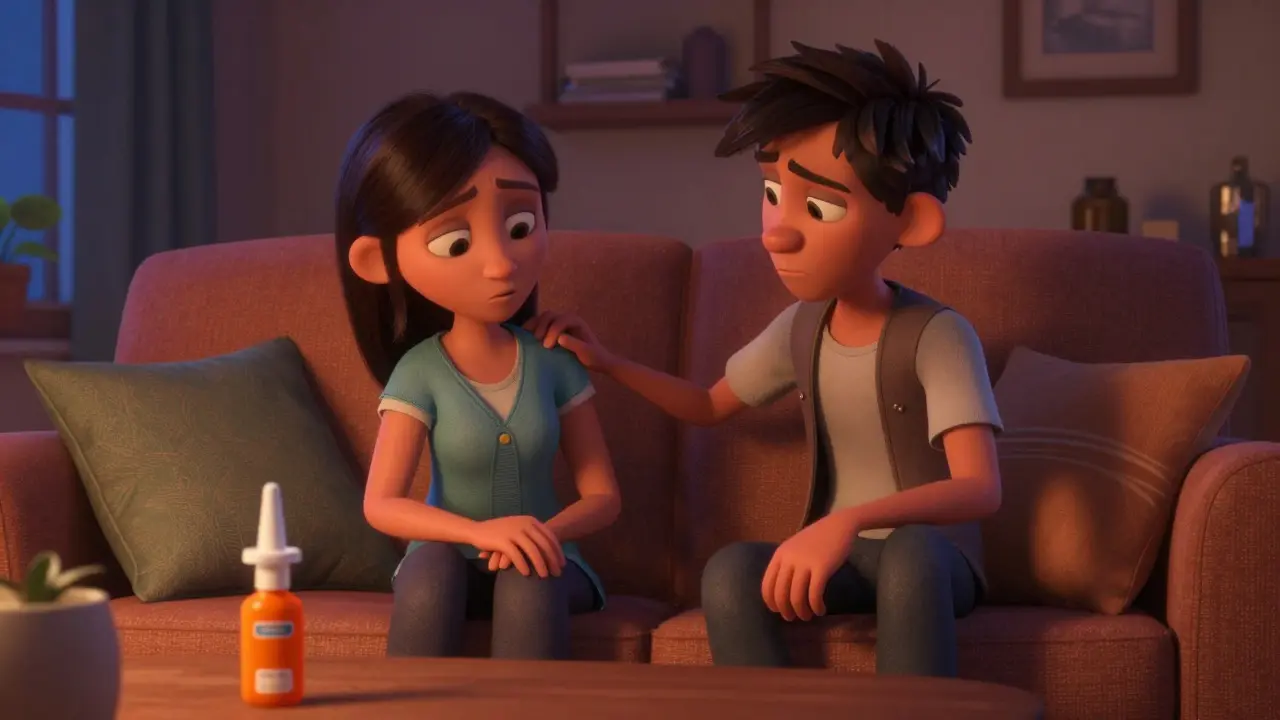
Imagine you are sitting with a friend who takes prescription painkillers. They seem drowsy after their evening dose. You call their name, but they don’t answer. Their breathing is slow and shallow. In that moment, panic sets in. But if you have a naloxone readiness plan, you already know exactly what to do. You don't freeze. You act. This simple shift-from panic to protocol-can mean the difference between life and death.
Opioid overdose is not just a statistic; it is a medical emergency that happens in homes, workplaces, and communities every day. For patients prescribed opioids for chronic pain or those recovering from addiction, the risk of respiratory depression is real. Naloxone, the medication that reverses this effect, has been available for decades, yet many people still hesitate to use it due to fear, stigma, or lack of clear instructions. A readiness plan removes that ambiguity. It turns a chaotic crisis into a manageable sequence of steps.
Understanding Naloxone: The Life-Saving Antagonist
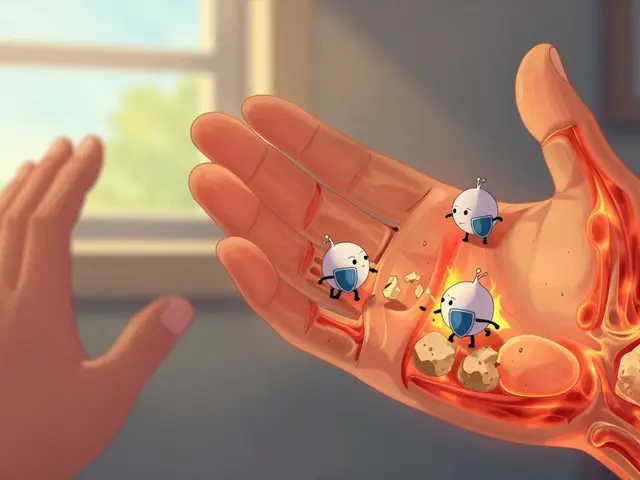
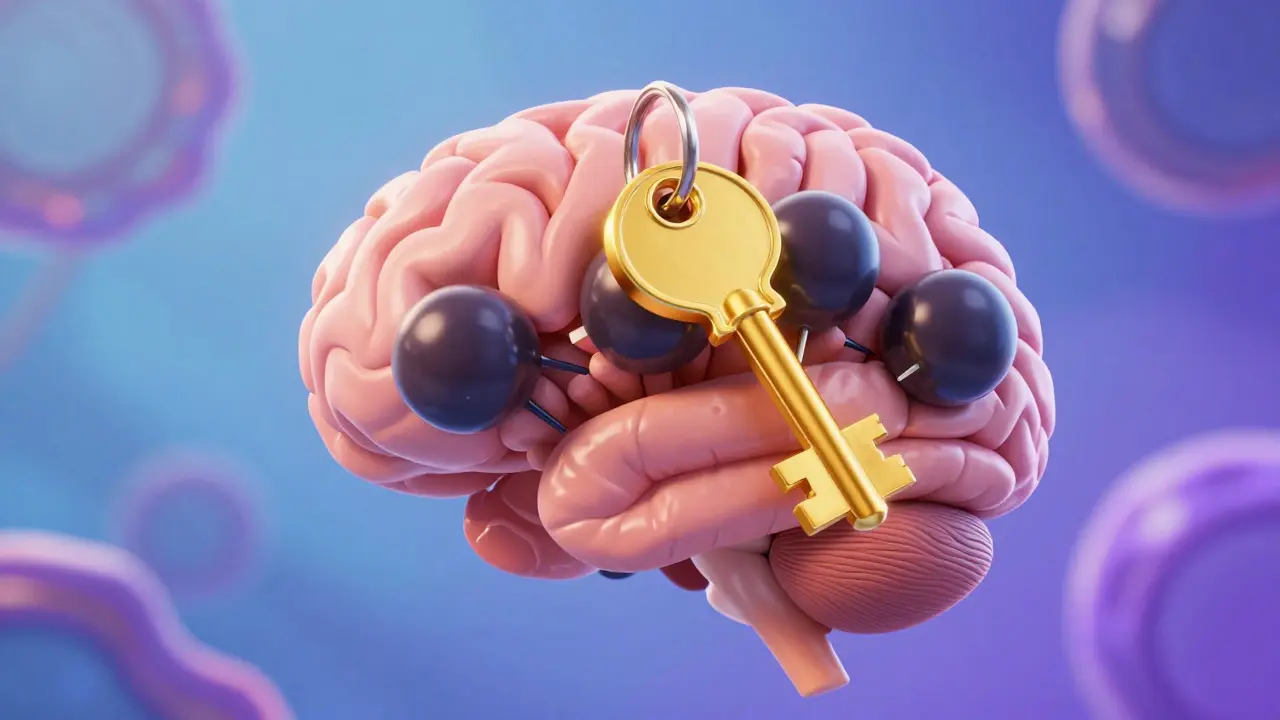
To build a solid safety plan, you first need to understand the tool at your disposal. Naloxone is an opioid antagonist medication that rapidly reverses the effects of an opioid overdose by blocking opioid receptors in the brain. Developed in 1961 by chemist Mozes J. Lewenstein and approved by the FDA in 1971, it works by kicking opioids off the mu-opioid receptors in the brain. Think of it like a key that jams the lock, preventing the opioid drug from stopping the brain’s signal to breathe.
When administered correctly, naloxone restores normal breathing within 2 to 5 minutes. It is highly specific: it only affects opioids. If you give it to someone who hasn’t taken opioids, nothing happens. It won’t cause harm. This safety profile makes it ideal for layperson use. However, its duration of action is short-typically 30 to 90 minutes. Most opioids last longer than that. This means one dose might wake the person up, but as the naloxone wears off, the opioid can reassert itself, causing breathing to stop again. This phenomenon, known as renarcotization, is why your readiness plan must include monitoring and potentially multiple doses.
The Core Components of a Readiness Plan
A readiness plan is more than just buying a box of nasal spray. It is a structured approach to preparedness. According to guidelines from the American Academy of Family Physicians and state health departments like Wisconsin’s "Dose of Reality" program, an effective plan rests on three pillars: accessibility, knowledge, and execution.
Accessibility: Naloxone must be within reach immediately. In a home setting, this means keeping it in a central location, not locked away in a bathroom cabinet or a bedroom drawer. In a workplace, the National Safety Council recommends kits be within 100 feet of high-risk areas. Remember, during an overdose, seconds count. If you have to search for the kit, you lose valuable time.
Knowledge: Everyone who might be present during an overdose needs to know what an overdose looks like. The classic signs are unresponsiveness (you can’t wake them up), slow or irregular breathing, and pinpoint pupils. Sometimes, there is also a gurgling sound, often called the "death rattle," which indicates fluid in the lungs because the person isn’t swallowing or breathing properly.
Execution: This is the step-by-step process you will follow when an overdose occurs. Your plan should outline these steps clearly so anyone can read and act on them under pressure.
Step-by-Step Overdose Response Protocol
When you suspect an overdose, follow this sequence. Do not deviate. These steps are based on recommendations from the American Heart Association and the CDC.
- Recognize and Assess: Check for responsiveness. Shake the person’s shoulders and shout their name. Look at their chest-is it rising? Listen for breathing. If they are unresponsive and breathing is slow or absent, assume an overdose.
- Call for Help: Call 911 immediately. Even if you have naloxone, professional medical help is required. Tell the dispatcher you suspect an opioid overdose and that you are administering naloxone. Good Samaritan laws in most states protect bystanders who call for help in good faith.
- Administer Naloxone:
- Nasal Spray (e.g., NARCAN®): Break off the sealed end. Insert the tip firmly into one nostril. Press the plunger all the way down to deliver the full 4mg dose. Remove the device. If using a generic version, follow the specific package insert, but the mechanism is similar.
- Intramuscular Injection: If using pre-filled syringes (0.4mg), inject into the outer thigh. Use a 22-25 gauge needle at a 90-degree angle. Note that older vials require drawing up the dose, which is harder under stress; auto-injectors or prefilled syringes are preferred for non-medical users.
- Provide Rescue Breathing: This is critical. Naloxone blocks the opioid, but it doesn’t instantly restart breathing. If the person is not breathing after administration, start rescue breathing. Tilt their head back, lift their chin, and pinch their nose. Give one breath every 5 seconds. Seal your mouth over theirs and blow until you see their chest rise. Continue this until paramedics arrive or the person starts breathing on their own.
- Monitor and Repeat: Watch the person closely. If they do not respond within 2 to 3 minutes, administer a second dose. With potent synthetic opioids like fentanyl, higher doses may be needed. Keep monitoring for at least 2 to 3 hours after the reversal, as the risk of renarcotization remains high.
Choosing the Right Formulation
Not all naloxone products are created equal. Understanding the differences helps you choose the best option for your situation and budget.
| Formulation | Dosage | Administration Route | Estimated Cost (USD) | Best For |
|---|---|---|---|---|
| Nasal Spray (Brand/Generic) | 4mg | Intranasal | $130 - $150 (without insurance) | Home use, ease of use, no needles |
| Intramuscular Syringe | 0.4mg per vial | Muscle injection | $25 - $40 per dose | Clinics, cost-conscious buyers, trained users |
| Auto-Injector (Evzio®) | 4mg | Intramuscular (auto) | ~$3,200 (reduced from $4,500) | Workplaces, those preferring guided voice prompts |
The nasal spray is generally recommended for laypeople because it requires no technical skill to administer. The intramuscular route is cheaper but requires confidence in giving an injection. The auto-injector offers guidance but comes at a premium price. As of 2023, the FDA approved the first over-the-counter naloxone nasal spray, making it easier to obtain without a prescription in many jurisdictions. Always check local regulations and insurance coverage, as costs vary significantly.
Training and Maintenance: Keeping the Plan Alive
Having the kit is only half the battle. Skills degrade without practice. The National Safety Council reports that 20 minutes of hands-on training achieves over 90% proficiency in correct administration. Consider taking a brief online course or attending a community workshop offered by local health departments or harm reduction organizations.
Regularly check your naloxone supply. Like all medications, it expires. The shelf life is typically 18 to 24 months. Mark your calendar to replace expired kits. Also, ensure the kit is stored at room temperature, away from direct sunlight and extreme heat, such as inside a car glove compartment during summer.
Communication is another vital part of maintenance. Talk to family members, housemates, or close friends about the plan. Show them where the naloxone is kept. Walk them through the steps. Stigma often silences these conversations, but silence is dangerous. Normalizing the presence of naloxone reduces the hesitation that can delay treatment.
Addressing Common Barriers and Myths
Despite its benefits, several myths hinder naloxone adoption. One common belief is that naloxone will trigger severe withdrawal symptoms that are dangerous to the patient. While it does precipitate acute withdrawal-causing nausea, vomiting, agitation, and sweating-these symptoms are uncomfortable but rarely life-threatening. Death from respiratory arrest is far worse. Another myth is that only people with active substance use disorders need naloxone. In reality, 86.7% of opioid-related deaths involve individuals not currently prescribed opioids, including those who misuse leftover pills or encounter contaminated street drugs. Universal precautions apply to anyone exposed to opioids.
Cost is another barrier. For uninsured individuals, the price of brand-name nasal spray can be prohibitive. Look for generic alternatives, which are increasingly available and significantly cheaper. Many community health centers and pharmacies offer free or low-cost naloxone distribution programs. Don’t let cost prevent you from being prepared.
Special Considerations for High-Risk Scenarios
If you or a loved one uses potent synthetic opioids like fentanyl or carfentanil, standard doses may not be sufficient. Fentanyl is 50 to 100 times more potent than morphine. The CDC notes that overdoses involving these substances often require multiple doses of naloxone, sometimes up to 10mg total. In these cases, having two or more kits on hand is essential. Additionally, because fentanyl analogs are often mixed with other substances, the clinical picture can be complex. Always err on the side of caution and administer naloxone if you suspect an overdose.
For patients on long-term opioid therapy, tolerance builds up. When naloxone reverses the overdose, the sudden return of pain and withdrawal can be intense. Be prepared to comfort the person and monitor them for complications like aspiration pneumonia if they vomited while unconscious. Place them in the recovery position (on their side) to keep their airway clear.
Building a Culture of Safety
A naloxone readiness plan is not just a personal safeguard; it is a contribution to community resilience. By being prepared, you reduce the burden on emergency services and increase the likelihood of survival for those around you. Share your knowledge. Encourage others to get trained. Advocate for broader access in your workplace or neighborhood. The goal is not just to reverse overdoses but to create an environment where safety is prioritized over stigma.
Start today. Identify your risk factors. Purchase the appropriate formulation. Practice the steps. Update your plan regularly. In the event of an overdose, your preparation will be the lifeline that matters most.
How much naloxone should I keep on hand?
The American Academy of Family Physicians recommends keeping at least two doses of naloxone. For nasal spray, this means two 4mg kits. For intramuscular injections, this equates to four 0.4mg vials. If you are dealing with potent synthetics like fentanyl, consider keeping three or more doses, as higher amounts may be needed to reverse the overdose.
Can naloxone be harmful if given to someone who didn't take opioids?
No. Naloxone has no effect on non-opioid systems. If administered to someone experiencing a stroke, heart attack, or diabetic emergency, it will not cause harm. It simply won’t work. The risk of withholding naloxone from a potential opioid overdose far outweighs the negligible risk of administering it unnecessarily.
What should I do if the person doesn't wake up after the first dose?
Wait 2 to 3 minutes. If there is no response, administer a second dose. Continue rescue breathing if they are not breathing. Potent opioids may require multiple doses. Keep calling 911 updates and stay with the person until paramedics arrive. Do not assume they are dead; continue CPR if necessary.
Is rescue breathing really necessary if I have naloxone?
Yes. Naloxone takes a few minutes to work. During that time, the brain is deprived of oxygen. Rescue breathing provides immediate oxygenation, preventing brain damage. The American Heart Association emphasizes starting rescue breathing within one minute of recognition. It bridges the gap until the medication takes effect.
How long does naloxone last compared to opioids?
Naloxone lasts 30 to 90 minutes, while most opioids last 4 to 6 hours or longer. This mismatch means the person can slip back into overdose once the naloxone wears off. This is called renarcotization. You must monitor the person for at least 2 to 3 hours after reversal and be ready to administer more doses if breathing slows again.
Where can I get free or low-cost naloxone?
Many pharmacies, community health centers, and harm reduction organizations distribute naloxone for free or at low cost. Check with local health departments or search for "naloxone distribution near me." Some states have standing orders allowing pharmacies to dispense it without a prescription. Generic versions are also more affordable than brand-name options.
Does Good Samaritan law protect me if I call 911?
In most U.S. states and many other countries, Good Samaritan laws provide legal protection for bystanders who call for help during an overdose. These laws generally prevent criminal prosecution for minor drug possession offenses related to the overdose victim. Check your local jurisdiction’s specific laws, but generally, saving a life is protected.
How do I store naloxone properly?
Store naloxone at room temperature, away from direct sunlight and moisture. Avoid places with extreme temperature fluctuations, like car glove compartments or bathrooms. Check the expiration date regularly and replace the kit before it expires. Ensure it is accessible but out of reach of young children if possible.