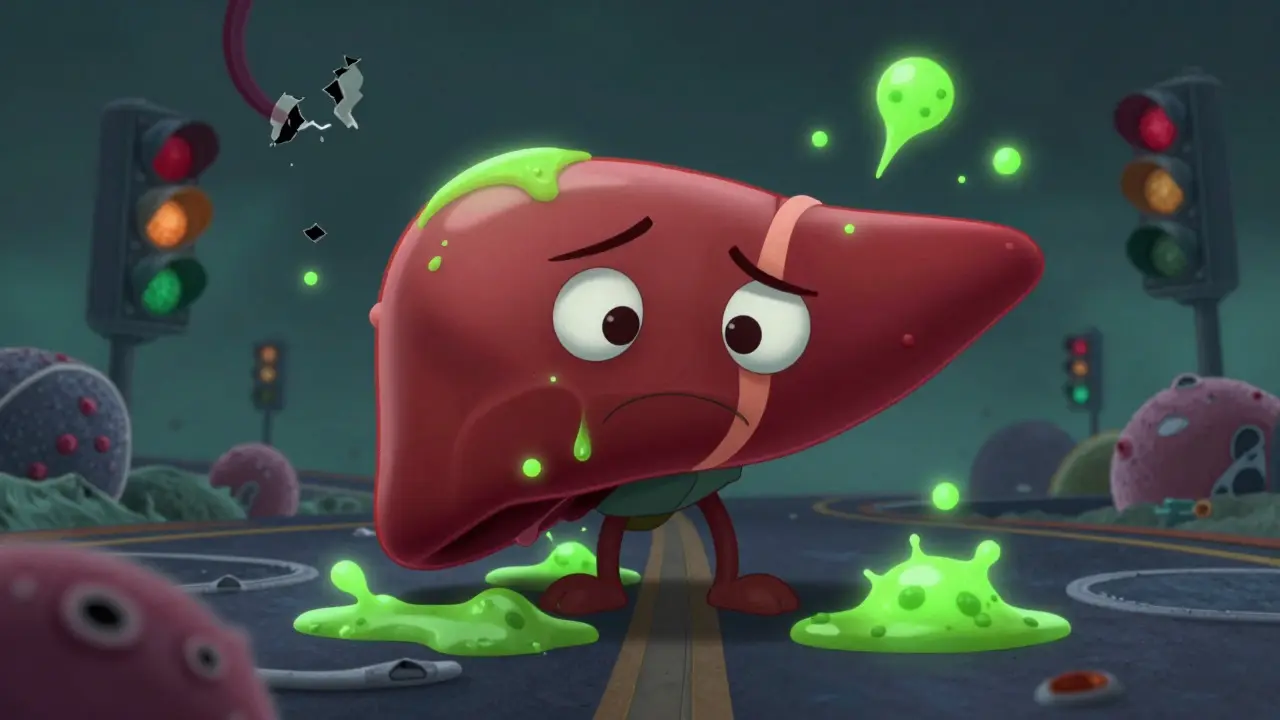
Imagine your body slowly filling with a metal it can’t get rid of. For most people, this sounds like science fiction. For the roughly one in 30,000 individuals born with Wilson’s disease, also known as hepatolenticular degeneration, it is their daily reality. This rare genetic disorder causes toxic levels of copper to build up in vital organs, primarily the liver and brain. If left untreated, the condition is fatal. But here is the good news: with early diagnosis and proper management, specifically through chelation therapy that removes excess copper from the body, patients can live normal, healthy lives.
Wilson’s disease isn’t just a liver problem; it’s a systemic failure of copper metabolism. To understand why this happens, we have to look at the microscopic machinery inside our cells. The root cause lies in a single gene mutation. Most cases stem from defects in the ATP7B gene, located on chromosome 13. In a healthy body, this gene produces a protein that acts like a traffic controller for copper. It ensures copper is either packaged into a carrier protein called ceruloplasmin or flushed out of the body through bile. When the ATP7B gene is broken, this traffic control system fails. Copper gets stuck in the liver cells (hepatocytes) instead of being excreted.
The Mechanics of Copper Overload
Let’s break down what happens when that traffic control fails. Normally, you absorb small amounts of copper from food through your intestines. Your liver takes this copper and loads it onto apoceruloplasmin to create functional ceruloplasmin, which circulates in your blood. Any excess copper is sent into your bile and eventually leaves your body in stool. In Wilson’s disease, two critical things go wrong:
- Defective Packaging: The liver cannot load copper onto ceruloplasmin efficiently. This leads to low levels of serum ceruloplasmin (often below 20 mg/dL, compared to the normal 20-50 mg/dL).
- Blocked Excretion: The liver stops dumping excess copper into bile. Instead of the normal 1-1.5 mg/day of copper leaving via bile, less than 0.5 mg/day exits.
At first, the liver tries to cope. Liver cells produce a protein called metallothionein to bind and store the extra copper safely. Think of metallothionein as a sponge soaking up water. But sponges only hold so much. Once the metallothionein is saturated, free copper starts leaking into the bloodstream. This unbound copper is dangerous. It travels to other parts of the body, seeking places to settle. It preferentially accumulates in the basal ganglia of the brain (causing movement disorders), the cornea of the eye (creating Kayser-Fleischer rings), and the kidneys.
Recognizing the Symptoms: Liver vs. Brain
Wilson’s disease is tricky because it shows up differently depending on where the copper damage is worst. About half of patients present with liver symptoms, while the other half show neurological signs. Sometimes, both happen together.
Liver Symptoms often mimic other common conditions like hepatitis or cirrhosis. You might experience fatigue, abdominal pain, jaundice (yellowing of the skin and eyes), or swelling in the legs. Because these are generic liver issues, doctors often miss the connection to copper initially. In children under five, the disease can even present as acute liver failure, which is a medical emergency.
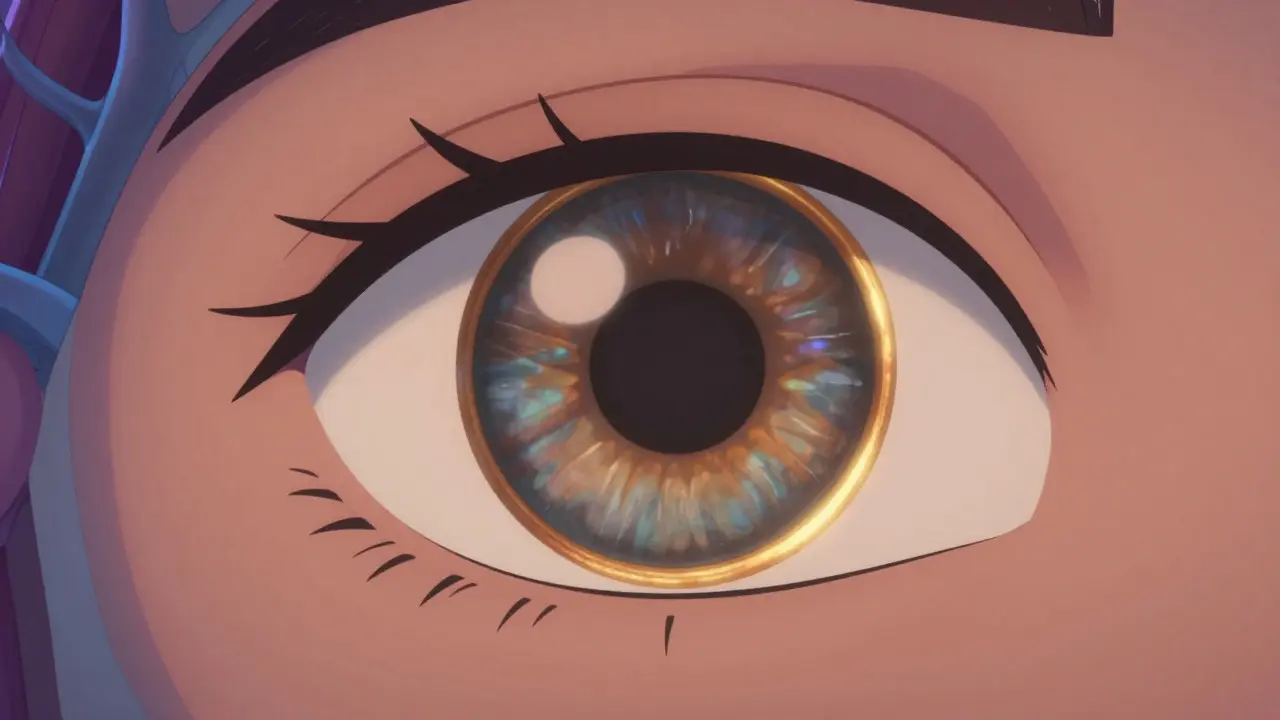
Neurological Symptoms tend to appear later, usually between ages 10 and 35. These include tremors (shaking hands), difficulty speaking (dysarthria), trouble swallowing, stiffness, and mood changes. A hallmark sign is the Kayser-Fleischer ring, a golden-brown discoloration around the iris of the eye. These rings are visible in nearly all patients with neurological Wilson’s disease but are less common in those with only liver involvement. They form because copper deposits in Descemet’s membrane of the cornea.
Diagnosis: Solving the Mystery
Getting diagnosed with Wilson’s disease is notoriously difficult. Studies show that many patients face a diagnostic delay of over two years. Why? Because there is no single test that says "Yes, you have Wilson’s." Doctors must piece together a puzzle using several clues.
- Serum Ceruloplasmin Test: Low levels suggest Wilson’s, but not always. Some people naturally have low ceruloplasmin without having the disease.
- 24-Hour Urinary Copper Excretion: This is a key test. Patients collect all their urine for a full day. In Wilson’s disease, urinary copper is typically elevated (>100 μg/24h). Normal levels are under 40 μg/24h.
- Ophthalmologic Exam: An eye doctor looks for Kayser-Fleischer rings using a slit lamp.
- Liver Biopsy: If blood tests are inconclusive, a small sample of liver tissue is taken. High copper concentration (>250 μg/g dry weight) confirms the diagnosis.
- Genetic Testing: Identifying mutations in the ATP7B gene provides definitive proof. Newer guidelines now emphasize this as a primary diagnostic tool.
Doctors use a scoring system, such as the Leipzig criteria, to combine these results. A score of 4 or higher confirms Wilson’s disease. It’s crucial to distinguish Wilson’s from other conditions like autoimmune hepatitis or Menkes disease (which causes copper deficiency, not overload).
Chelation Therapy: Removing the Toxic Metal
Once diagnosed, treatment begins immediately and continues for life. The goal is simple: remove excess copper and prevent new copper from accumulating. This is achieved through chelation therapy, which uses drugs to bind copper and facilitate its removal from the body.
There are three main types of medication used:
| Medication | How It Works | Pros | Cons/Side Effects | Typical Cost (US) |
|---|---|---|---|---|
| D-Penicillamine (Cuprimine®) | Binds copper in tissues and urine for excretion | Inexpensive, widely available, long track record | High side effect rate (nausea, metallic taste, lupus-like syndrome); can worsen neurological symptoms initially | ~$300/month |
| Trientine (Syprine®) | Binds copper similarly to penicillamine but with different chemical properties | Fewer severe side effects, safer for neurological patients | Expensive; can cause iron deficiency anemia | ~$1,850/month |
| Zinc Acetate (Galzin®) | Blocks copper absorption in the gut by inducing metallothionein | Well-tolerated, safe for maintenance therapy | Slower to work; requires strict empty-stomach dosing | ~$450/month |
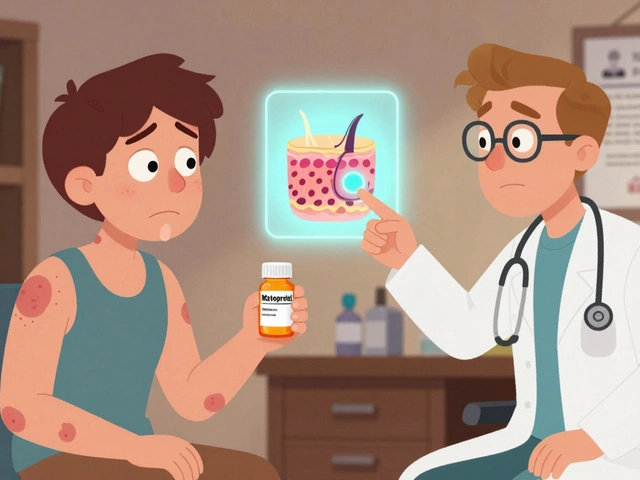
D-Penicillamine has been the standard first-line treatment since the 1950s. It’s effective and cheap, but about 20-50% of patients experience significant side effects. Worse, starting penicillamine can sometimes cause a temporary worsening of neurological symptoms. This happens because the drug pulls copper out of tissues faster than it can be cleared from the brain, causing a surge of free copper in the nervous system. To mitigate this, doctors often start with low doses and add zinc supplements simultaneously.
Trientine is often preferred for patients who cannot tolerate penicillamine or who have prominent neurological symptoms. It carries a lower risk of severe side effects and doesn’t typically worsen neurological status. However, its high cost is a major barrier for many patients.
Zinc Acetate works differently. Instead of pulling copper out of existing stores, it prevents new copper from entering the body. It induces the production of metallothionein in intestinal cells, which binds dietary copper and traps it until the cells die and shed into the gut. Zinc is excellent for maintenance therapy after initial copper levels have been reduced, or for asymptomatic patients discovered through family screening.
Living with Wilson’s Disease: Diet and Monitoring
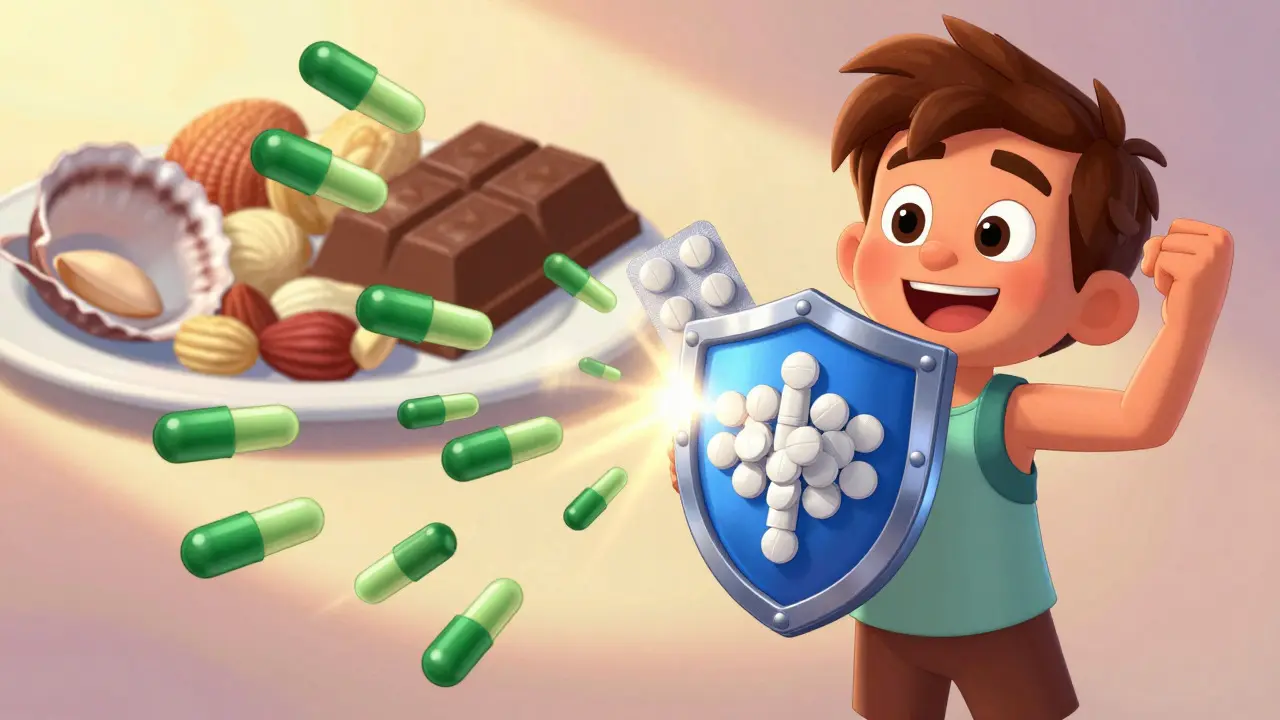
Medication is only half the battle. Lifestyle adjustments play a critical role in managing copper levels. Patients are advised to avoid foods exceptionally high in copper. This includes shellfish, liver, nuts, chocolate, and mushrooms. While you don’t need to eliminate all copper (it’s essential for health), keeping intake below 1-2 mg per day helps reduce the burden on your treatment regimen.
Regular monitoring is non-negotiable. During active treatment, you’ll need:
- Liver function tests every 3 months.
- 24-hour urinary copper every 6 months to ensure the drug is working (target: 200-500 μg/24h during maintenance).
- Serum free copper checks to stay below 10 μg/dL.
Adherence is a huge challenge. Missing doses can lead to rapid copper re-accumulation and sudden liver failure. Many patients report struggling with the complexity of dosing schedules, especially with zinc, which must be taken on an empty stomach, away from dairy and other minerals that block its absorption.
New Horizons in Treatment
The landscape of Wilson’s disease treatment is evolving. For decades, options were limited to penicillamine, trientine, and zinc. Now, newer agents are entering the market. Tetrathiomolybdate, approved under orphan drug designation, shows promise in preventing neurological worsening with a potentially better safety profile regarding bone marrow suppression. Recent clinical trials, such as the ENVISION trial, have shown efficacy rates exceeding 90% in preventing neurological deterioration.
Gene therapy is also on the horizon. Early-phase trials involving AAV-ATP7B vectors aim to deliver a functional copy of the ATP7B gene directly to liver cells, potentially offering a cure rather than just management. While still experimental, these developments offer hope for a future where lifelong daily medication might not be necessary.
If you suspect you or a loved one has Wilson’s disease, do not wait. Early intervention prevents irreversible damage. Talk to a hepatologist or neurologist familiar with metabolic disorders. With the right combination of chelation therapy, diet, and monitoring, life with Wilson’s disease can be full and normal.
Is Wilson’s disease hereditary?
Yes, Wilson’s disease is an autosomal recessive disorder. This means you must inherit two defective copies of the ATP7B gene (one from each parent) to develop the disease. Parents who carry one copy are usually asymptomatic carriers. If both parents are carriers, there is a 25% chance with each pregnancy that the child will have Wilson’s disease.
Can Wilson’s disease be cured?
Currently, there is no permanent cure, but it is highly treatable. With lifelong adherence to chelation therapy or zinc supplementation, patients can maintain normal copper levels and live a normal lifespan. Liver transplantation is a curative option for patients with end-stage liver disease who do not respond to medication, as the new liver contains a functioning ATP7B gene.
What foods should I avoid if I have Wilson’s disease?
You should limit foods very high in copper. Key items to avoid or strictly limit include shellfish (especially oysters and crab), beef liver and other organ meats, nuts (cashews, almonds), seeds, chocolate, cocoa, and mushrooms. Regular vegetables and fruits are generally safe in moderation. Always consult your doctor for a personalized diet plan.
Why does D-penicillamine sometimes make neurological symptoms worse?
This phenomenon occurs because D-penicillamine mobilizes copper from tissues rapidly. If the copper is released into the bloodstream faster than the kidneys can excrete it, free copper levels in the blood spike. This free copper can cross the blood-brain barrier and deposit in the brain, temporarily worsening neurological symptoms. Starting with low doses and co-administering zinc can help prevent this.
How is Wilson’s disease diagnosed in children?
Diagnosing Wilson’s in young children is challenging because classic signs like Kayser-Fleischer rings may be absent, and ceruloplasmin levels can be physiologically low in infancy. Doctors rely heavily on genetic testing for ATP7B mutations, 24-hour urinary copper excretion, and liver biopsy if needed. Family screening is recommended if a sibling is diagnosed.




8 Comments
Jairam Prasad
So the body is essentially a temple that has been breached by toxic invaders, yet we are told to just manage it with pills and diet? It feels like a philosophical paradox. We are biological machines designed for harmony, but here is a glitch in the matrix where copper becomes the enemy. The irony is thick enough to cut with a knife. You spend your life trying to excrete something your ancestors needed for survival. It makes you wonder about the fragility of human design. Why must we suffer for a genetic typo? The universe seems to have a cruel sense of humor when it comes to these rare conditions.
Gary Hull
i mean nobody forces u to eat chocolate or nuts. if u cant handle a few oysters then maybe ur genes are weak. its not like its hard to avoid shellfish. people make excuses. the real problem is people expecting free meds instead of taking responsibility for their own biology. why should society pay for ur genetic mistake?
Padraic Cepek
This is classic foreign medical nonsense. In America we fix problems with strength and willpower, not fancy chelation therapy. Who needs this gene stuff? Real men don't worry about copper levels. This article is full of soft language designed to make you feel sorry for yourself. Get a job and stop complaining about liver issues. The system is rigged against those who want to be strong. We need to ban these weakness-promoting articles immediately.
Mildred Fierce
You fail to understand the sheer magnitude of suffering involved here. It is not just a 'condition'; it is an existential nightmare that consumes every waking moment of the patient's life. The pain is visceral, relentless, and utterly devoid of mercy. To suggest that one can simply 'manage' this with diet is insulting to the very concept of agony. I have seen families destroyed by this disease, their lives reduced to a series of blood tests and trembling hands. The emotional toll is catastrophic. You cannot quantify the despair of watching your own body betray you from the inside out. It is a horror story written in DNA.
Trey Newkerk
The entire premise of modern medicine is flawed! We are trying to fight nature with chemicals. Copper is essential, yes, but our bodies know how to handle it unless we interfere with our natural state. These drugs are poison disguised as salvation. They strip the body of its natural defenses while feeding the pharmaceutical industry. It is a tragedy of epic proportions. We are killing ourselves with 'treatment'. The neurological worsening is proof that the cure is worse than the disease. Wake up!
Charles PINSON
It is fascinating how the uneducated masses react to such complex biochemical processes with simplistic outrage. The Leipzig criteria are not merely suggestions; they are the pinnacle of diagnostic rigor. Those who dismiss the necessity of trientine due to cost clearly lack the intellectual capacity to understand the value of neuroprotection. One does not negotiate with biochemistry. The ATP7B mutation is a definitive failure of protein trafficking, and treating it requires precision, not populist sentiment. Ignorance is truly a barrier to effective healthcare.
John Anderson
You should take the meds. Its bad if you dont. People die from this. Just follow the doctors orders. Stop arguing online and go to the hospital. Its simple really. Take the pill. Feel better. End of story. No need for all this noise.
Patrick Plummer
Oh, please!! Do you really think that eating less chocolate is going to save your liver?? That is absolutely ridiculous!!! The idea that diet plays a major role is laughable!!! You need serious medical intervention!!! Not some home remedy nonsense!!! The science is clear!!! Chelation is the only way!!! Anything else is just denial!!!