You trust that the medicine you buy is safe. But what if it isn't? Counterfeit drugs are not just a problem in distant countries; they infiltrate legitimate global supply chains, posing severe health risks and massive financial liabilities for businesses. For pharmaceutical companies, distributors, and pharmacies, understanding how insurance protections work against these threats is critical. This article breaks down exactly what is covered, where the gaps lie, and how you can safeguard your business from the hidden dangers of falsified medicines.
The Hidden Scale of the Counterfeit Drug Problem
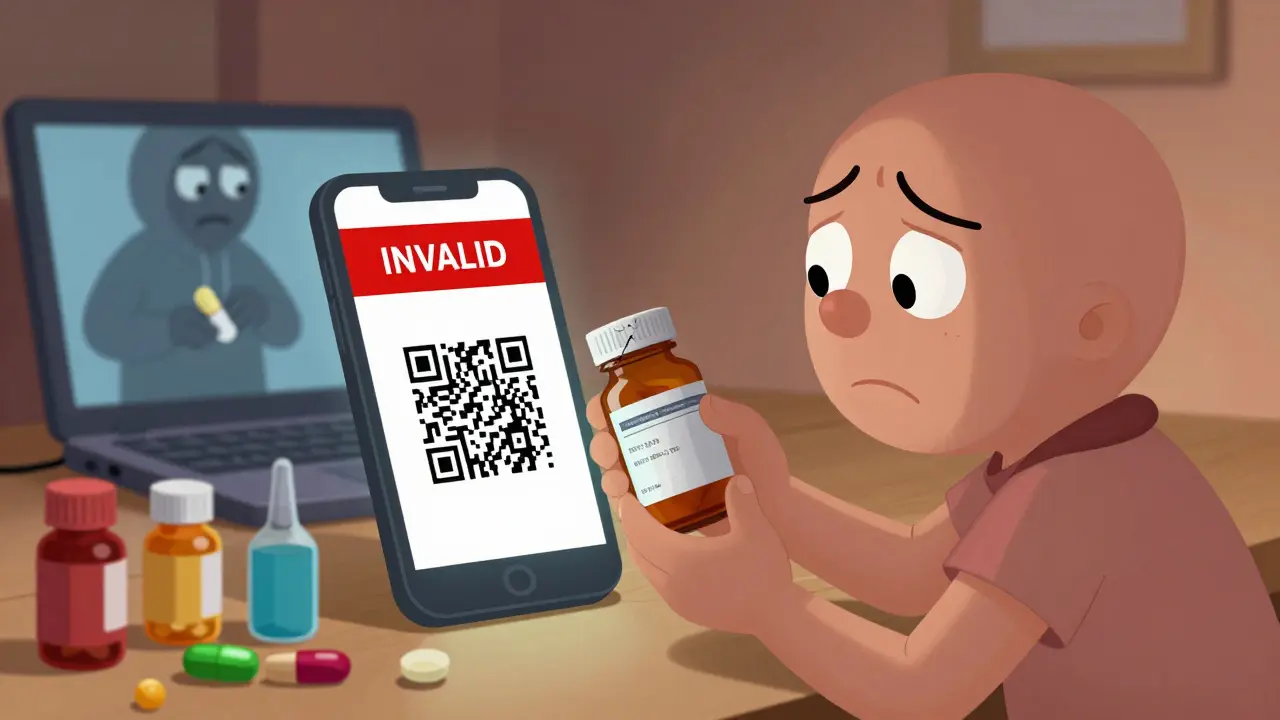
It is easy to think of counterfeit drugs as a minor nuisance, but the reality is far more dangerous. The World Health Organization defines falsified medicines as products that deliberately misrepresent their identity, composition, or source. These aren't just look-alikes; they may contain incorrect ingredients, wrong dosages, or no active ingredients at all. According to industry experts like those at Bristol Myers Squibb, counterfeiting is a $200 billion annual industry. While only about 1% of medicines in legitimate supply chains are estimated to be counterfeit, this small percentage translates to millions of dangerous doses reaching patients every year.
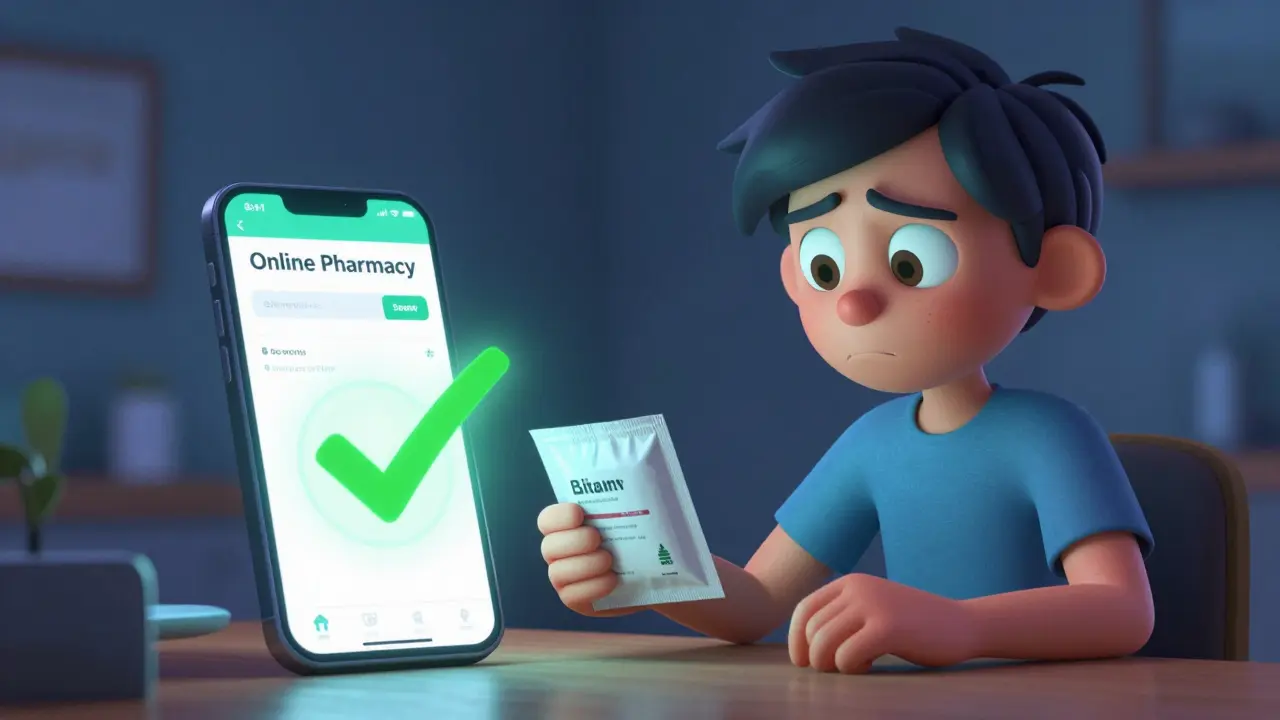
The risk is particularly high in low- and middle-income countries, but no region is immune. Trafficking networks have become incredibly sophisticated, exploiting the demand for affordable medications online. The International Federation of Pharmaceutical Manufacturers & Associations (IFPMA) notes that dealing in falsified medicines remains cheap and lucrative with a low risk of being caught. This lack of deterrence increases the exposure for everyone in the supply chain, making robust insurance strategies essential rather than optional.
What Insurance Policies Actually Cover
Most companies in the pharmaceutical supply chain rely on professional liability, product liability, and errors and omissions (E&O) insurance. However, coverage is not automatic. Laura Sunderlin, a life sciences underwriter at Beazley, explains that coverage applies primarily when there was "no intent to defraud" and the company was unaware they were handling counterfeit drugs. In other words, if you bought genuine-looking pills from a trusted supplier and they turned out to be fake, your insurance should kick in to cover legal defense costs and potential settlements.
Here is what typically falls under protection:
- Product Liability Claims: If a patient suffers harm due to a counterfeit drug sold by your pharmacy or distributed by your company, this coverage handles the resulting lawsuits.
- Legal Defense Costs: Investigating counterfeit allegations is expensive. Insurance covers attorney fees and regulatory inquiry costs.
- Recall Expenses: If you must pull products from shelves because they are suspected fakes, some policies help cover the logistical and financial burden of the recall.
However, there is a major catch. If an investigation reveals negligence-such as failing to verify suppliers or ignoring red flags-insurers may deny claims. This makes due diligence your first line of defense before insurance even comes into play.
Key Limitations and Exclusions You Must Know
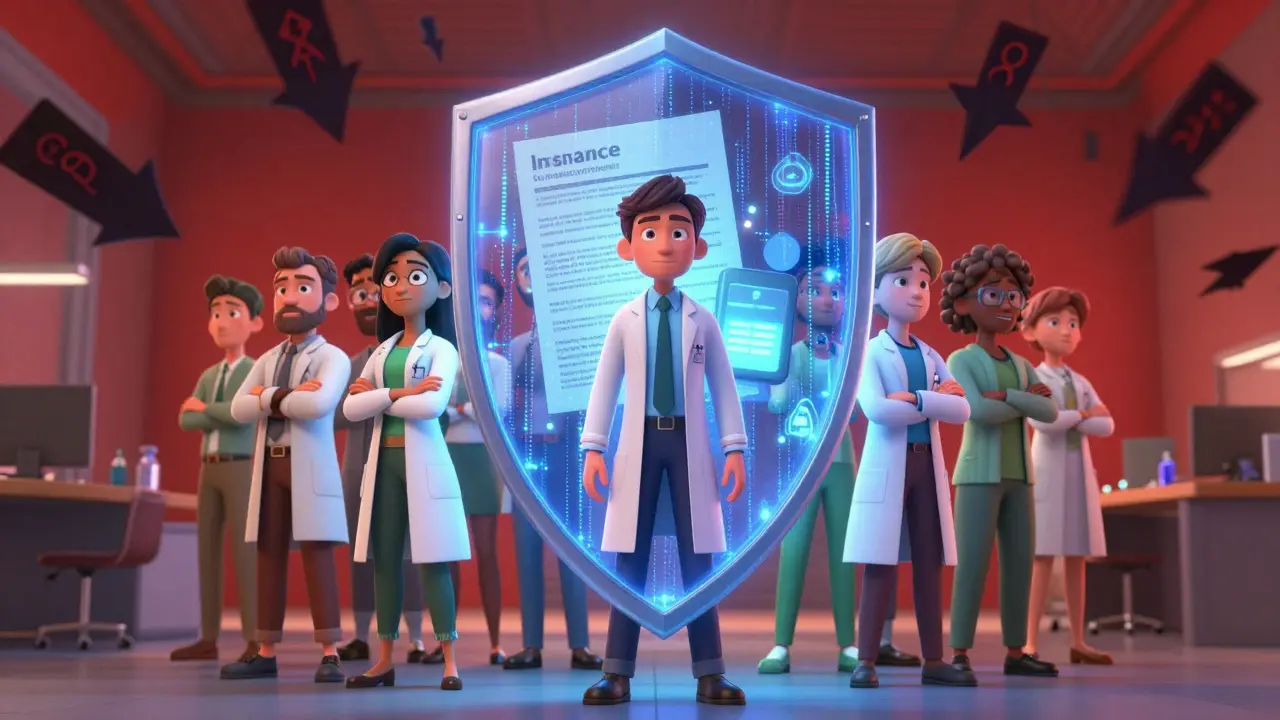
Insurance is not a shield against bad practices. Most policies explicitly exclude coverage if fraud or intentional misconduct is involved. If your company knowingly participated in selling fake drugs, or if you ignored obvious signs of tampering, your policy will likely offer zero protection. Furthermore, standard policies often do not cover the loss of inventory itself if the goods are determined to be worthless counterfeits, unless you have specific cargo or property insurance extensions.
Another limitation is the scope of "known" risks. If a specific supplier has been flagged by regulators like the FDA or the National Association of Boards of Pharmacy, and you continue to buy from them, insurers may argue you assumed the risk. Understanding these exclusions helps you avoid nasty surprises when a claim arises. Always review your policy's definition of "good faith" operations.
Regulatory Frameworks Shaping Insurance Requirements
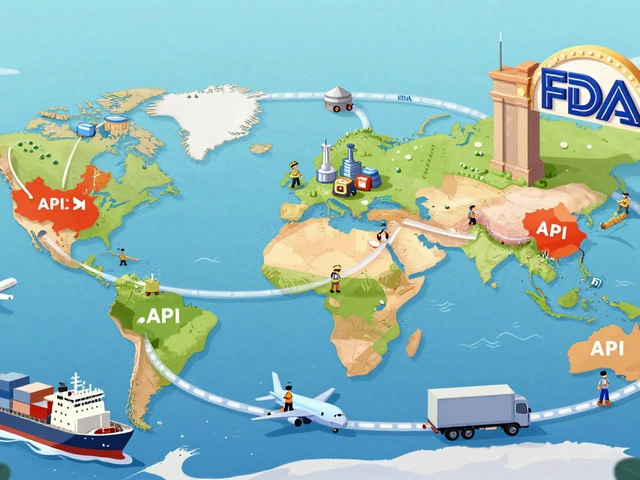
Insurance requirements don't exist in a vacuum; they are heavily influenced by laws designed to protect public health. In the United States, the Drug Supply Chain Security Act (DSCSA), signed into law in 2013, mandated a national system to trace prescription drugs through the supply chain. By November 2023, full electronic tracing became mandatory. This digital pedigree allows insurers to better assess risk. If you cannot prove the provenance of your drugs using these electronic records, securing affordable insurance becomes much harder.
Internationally, the Council of Europe's Medicrime Convention, effective since January 2016, established criminal offenses for manufacturing and trafficking counterfeit medical products. While enforcement varies globally, compliance with such frameworks signals to insurers that you take security seriously. Regulatory bodies like the U.S. Food and Drug Administration (FDA) partner with Customs and Border Protection to intercept fakes, but as industry expert Walters noted, monitoring every single pill is impossible. This gap is precisely why insurance remains vital-it fills the void where technology and regulation fall short.
| Mitigation Strategy | Description | Impact on Insurance Premiums/Coverage |
|---|---|---|
| Electronic Tracing (DSCSA) | Using serialized data to track drugs from manufacturer to dispenser. | Reduces premiums; may be required for coverage eligibility. |
| Supplier Verification | Vetting vendors via VIPPS or similar accredited programs. | Lowers perceived risk; prevents claim denials based on negligence. |
| Advanced Detection Tools | AI-driven monitoring of online sales and lab analysis of suspect products. | Demonstrates proactive risk management; favorable underwriting. |
| Employee Training | Education on identifying packaging anomalies and reporting protocols. | Reduces human error; supports "good faith" defense in claims. |
How Companies Are Reducing Their Risk Exposure
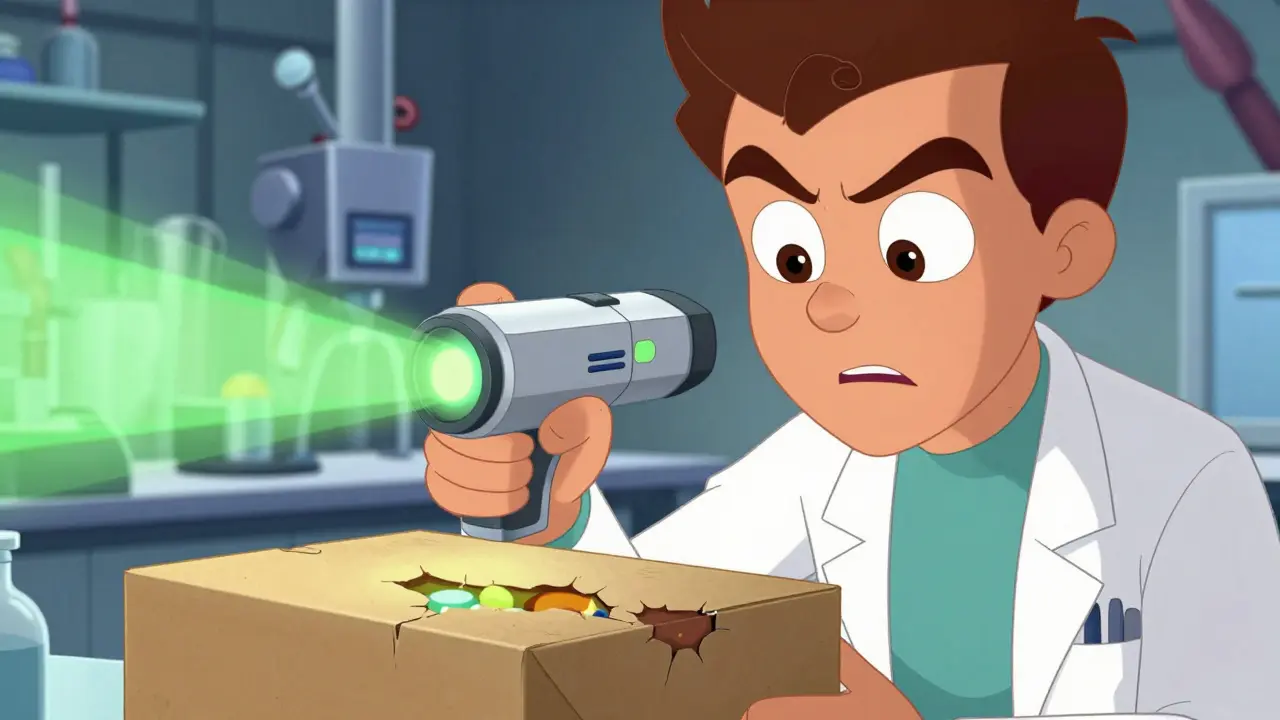
Smart companies don't just buy insurance; they actively reduce the likelihood of encountering counterfeit drugs. Sanofi, for example, employs a dedicated team to troll millions of webpages for illicit offers and uses a central anti-counterfeit laboratory to analyze suspect products. They also collaborate with e-commerce platforms to remove fake listings. This proactive approach not only protects patients but also makes Sanofi a lower-risk client for insurers.
Pfizer has taken a similar stance, leveraging advanced lab equipment to determine drug authenticity and partnering with law enforcement. Since 2004, Pfizer claims to have helped prevent over 302 million counterfeit doses from reaching patients. Bristol Myers Squibb boasts a 93% success rate in shutting down illegal sales sites. When you implement such robust verification capabilities, insurers view you as a responsible partner. This can lead to broader coverage options and potentially lower deductibles. It shows you are doing your part to stop the flow of fakes, rather than relying solely on financial safety nets.
Practical Steps to Strengthen Your Position
To ensure your business is protected, start by auditing your current supply chain. Are all your suppliers verified? Do you use Radio Frequency Identification (RFID) devices or other technological approaches recommended by studies to enhance tracking? Next, review your insurance policy with a broker who specializes in life sciences. Ask specifically about exclusions related to counterfeit goods and whether your policy covers the cost of forensic investigations if a batch is suspected.
Finally, invest in employee training. Frontline staff are often the first to notice discrepancies in packaging or labeling. Creating a culture of vigilance reduces the chance of counterfeit drugs slipping through undetected. Remember, insurance is a backstop, not a strategy. Combining rigorous operational controls with comprehensive liability coverage creates the strongest defense against the complex threat of counterfeit drugs.
Does standard product liability insurance cover counterfeit drugs?
Yes, but with conditions. Standard product liability and errors and omissions (E&O) insurance typically cover claims arising from counterfeit drugs if the company acted in good faith and had no knowledge of the fraud. If negligence or intent to defraud is found, coverage is usually denied.
How does the Drug Supply Chain Security Act affect my insurance?
The DSCSA requires electronic tracing of drugs, which provides verifiable proof of provenance. Insurers use this data to assess risk. Compliance with DSCSA standards can lead to lower premiums and is often a prerequisite for obtaining comprehensive coverage in the pharmaceutical sector.
What happens if I unknowingly sell a counterfeit drug?
If you unknowingly sell a counterfeit drug and face a lawsuit, your product liability insurance should cover legal defense costs and any settlements or judgments, provided you can demonstrate due diligence in verifying your supply chain and lacking intent to harm.
Can I get insurance for losses related to recalled counterfeit inventory?
Standard liability policies focus on third-party claims, not your own lost inventory. To cover the cost of disposing of or recalling counterfeit stock, you may need additional endorsements or specific property/cargo insurance that includes provisions for contaminated or fraudulent goods.
Why do insurers require strict supplier verification?
Insurers require strict supplier verification to mitigate the risk of negligence. If you purchase from unverified or blacklisted sources, insurers may argue you assumed the risk. Proper verification supports a "good faith" defense, ensuring your coverage remains valid in the event of a counterfeit drug incident.