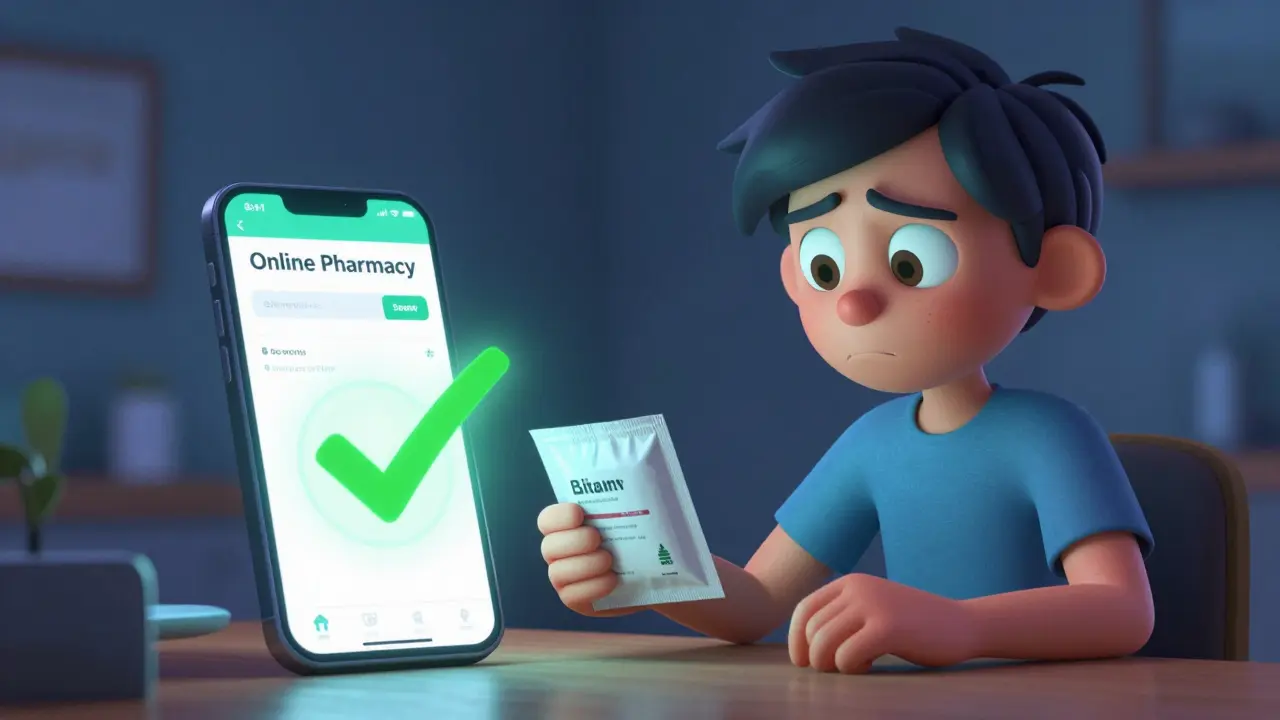
Imagine ordering a prescription medication from a website that looks perfectly professional. The prices are lower than your local drugstore, the delivery is fast, and the packaging arrives neatly sealed. But what if that medication contains chalk instead of active ingredients? Or worse, what if it contains harmful substances like rat poison or excessive doses of another drug? This isn't just a hypothetical nightmare; it is a real risk faced by millions of consumers every year. According to the FDA, in 2022 alone, verification efforts helped identify over 1,200 illegal online pharmacies that could have exposed unsuspecting buyers to counterfeit drugs.
The solution lies in understanding pharmacy verification services, which are digital systems established by state boards of pharmacy and national organizations to validate the licensure status of pharmacists, technicians, and facilities. These tools act as the gatekeepers of public health, ensuring that only properly licensed professionals dispense medications. Whether you are a patient checking an online retailer or a healthcare employer vetting a new hire, knowing how to use these verification systems is a critical skill in today's digital health landscape.
Why Verifying Pharmacy Licenses Matters More Than Ever
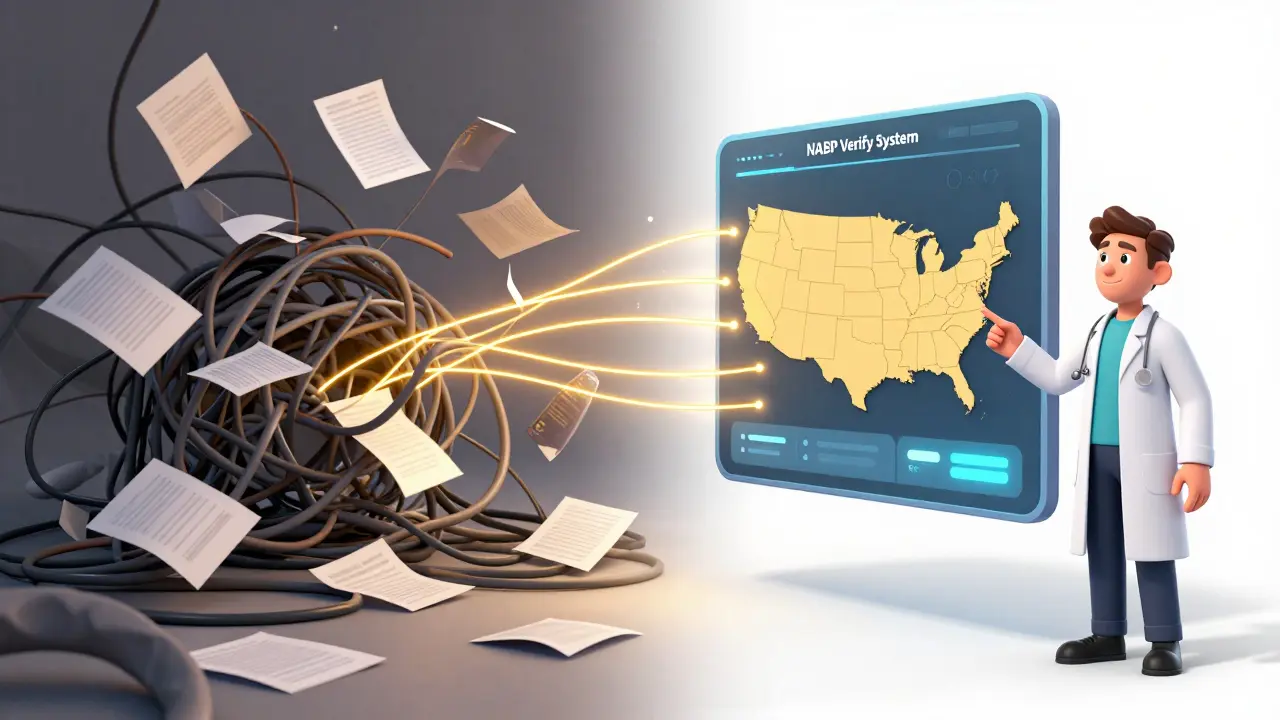
In the late 1990s and early 2000s, as states began digitizing their licensing processes, the need for centralized verification became apparent. The National Association of Boards of Pharmacy (NABP) launched its centralized verification platform in 2005 to combat the rising tide of counterfeit medications and illegal online operations. Today, this infrastructure is more vital than ever.
The core value proposition of these services centers on three pillars: transparency, regulatory compliance, and patient safety. Data supports their effectiveness. The American Pharmacists Association noted a 37% reduction in prescription drug diversion cases between 2015 and 2022 in states with robust verification systems. Diversion refers to the illegal transfer of prescription drugs from legal channels to illicit ones, often resulting in dangerous outcomes for users who unknowingly purchase fake or substandard medications.
For the average consumer, the stakes are personal. Buying from an unverified source can lead to treatment failure, adverse drug reactions, or even death. For healthcare organizations, failing to verify staff credentials can result in massive legal liabilities. In 2023, a Chicago hospital settled a malpractice case for $250,000 after mistakenly hiring a pharmacist with a revoked Illinois license because they relied on internal records rather than the official state database.
Understanding the Landscape: State vs. National Verification Systems
When you set out to verify a license, you will encounter two main types of systems: state-level portals and national databases. Understanding the difference helps you choose the right tool for the job.
| Feature | State-Level Systems (e.g., Washington HELMS) | National System (NABP Verify) |
|---|---|---|
| Cost | Free | $79 annually (as of Jan 2024) |
| Coverage | Single jurisdiction only | All 50 U.S. states + territories |
| Update Speed | 24-72 hours after renewal | Real-time (connected to 41 state boards) |
| Best For | Individual patients checking local providers | Hospitals, multi-state practitioners, employers |
| Integration | Limited API access | High integration capability |
State systems, like Washington’s Healthcare Enforcement and Licensing Management System (HELMS), are free to use but limited to that specific state. They are ideal for quick checks if you know exactly where the provider is licensed. However, they require you to visit each state’s website individually. If a pharmacist holds licenses in five different states, you would need to perform five separate searches, which can take nearly 23 minutes on average according to NABP data.
On the other hand, NABP Verify is a subscription service that monitors licensure status across all 50 states. While the $79 annual fee might seem steep for an individual, it saves significant time and reduces errors for organizations. A 2023 study published in the *Journal of the American Pharmacists Association* found that NABP Verify reduced verification time for multi-state practitioners from 47 minutes to just 3.2 minutes. For hospitals and large pharmacy chains, this efficiency pays for itself quickly.
Step-by-Step: How to Check an Online Pharmacy License
Verifying a license doesn’t require special software or technical expertise. Most systems operate as simple web-based portals. Here is a practical guide based on the Washington State model, which reflects best practices used across many jurisdictions.
- Visit the Official Website: Always start at the government domain. For Washington, this is doh.wa.gov. Be wary of third-party sites that claim to offer verification but may charge fees or display outdated information.
- Navigate to the License Verification Section: Look for links labeled “License Lookup,” “Verify a Pharmacist,” or similar terms. In Washington, this is part of the HELMS platform.
- Enter Search Criteria: You will typically need either the exact business name, the license number, or the individual’s full name. Having the license number yields the most accurate results.
- Review the Details: Once the search returns results, check the following:
- Status: Ensure it says “Active.” Other statuses like “Expired,” “Suspended,” or “Revoked” mean the entity cannot legally practice.
- Disciplinary Actions: Look for any notes about fines, probation, or sanctions. A clean record is essential for trust.
- Validity Dates: Confirm the license is current and has not lapsed.
- Double-Check for Red Flags: If the information seems inconsistent or missing, contact the state board directly. Do not assume silence means safety.
Washington’s system processes requests in under three seconds, making it highly efficient. However, usability studies show that 28% of first-time users struggle to find these tools without guidance. If you get stuck, look for help icons or FAQ sections on the portal.
Common Pitfalls and How to Avoid Them
Even with clear instructions, errors happen. Understanding common pitfalls can save you from costly mistakes.
Inconsistent Data Formats: Not all states participate in integrated networks. Only 32 states currently join NABP’s License Verification System integration. This means a license might appear valid in one database but show discrepancies in another due to formatting differences. Always cross-reference when possible.
Verification Delays: Recently renewed licenses may take up to 72 hours to update in some state systems. If you are verifying a credential close to a deadline, plan ahead. The NABP recommends conducting verifications 30 days before credentialing deadlines to allow time for resolving discrepancies. This practice reduced staffing gaps by 63% in a 12-hospital study.
Name Variations: Many users fail searches because they enter names incorrectly. Typos, middle initials, or hyphenated last names can break search algorithms. If a search fails, try variations of the name or use the license number if available.
Ignoring Technician Credentials: Don’t forget about pharmacy technicians. The PTCB (Pharmacy Technician Certification Board) offers a separate verification system. While it excels for technician certification checks, it does not cover pharmacy facility licenses. In Q1 2024, PTCB processed over 87,000 verifications with 99.87% accuracy, proving its reliability for role-specific checks.
Expert Insights: The Future of Pharmacy Verification
Industry experts agree that while current systems are effective, they are not perfect. Dr. Matthew Salo, Executive Director of the National Council of State Legislatures, warned in a 2023 commentary that “fragmented state systems create dangerous verification gaps that illegal online pharmacies exploit.” He cited a case where a Florida-based operation served 17 states using only a single valid license, slipping through the cracks of disjointed databases.
Dr. Lucinda L. Maine, CEO of the American Association of Colleges of Pharmacy, highlighted another issue: error rates. She testified before the Senate Health Committee in March 2024 that the average verification error rate in state systems is 2.3%, contributing to preventable medication errors. This statistic underscores the need for more robust, automated solutions.
The good news is that innovation is underway. Washington State plans to launch HELMS 2.0 in Q4 2024, featuring API integration capabilities that will reduce search times to under 1.5 seconds. Additionally, the FDA’s 2024 Pharmacy Modernization Initiative includes $15 million in grants to help states upgrade their systems. Analysts predict that biometric verification and blockchain-based systems could replace current methods by 2028, offering unprecedented security and speed.
Practical Tips for Different Users
Your approach to verification should depend on your role.
- For Patients: Use free state portals for occasional checks. If you frequently order online medications, consider creating bookmarks for the major state boards you interact with. Always ask for the pharmacy’s license number and verify it yourself.
- For Employers: Invest in NABP Verify if you hire multi-state staff. Integrate verification into your onboarding workflow. Require verification 30 days prior to start dates to handle delays.
- For Pharmacists: Keep your own license details handy. Share your license number proactively with potential employers to streamline the process. Stay informed about renewal deadlines in every state where you hold a license.
Remember, verification is not a one-time task. It is an ongoing responsibility. Regular checks ensure that the people dispensing your medications remain qualified and compliant.
Is it free to verify a pharmacy license?
Yes, state-level verification systems are almost always free to use. For example, Washington’s HELMS system costs nothing. However, national services like NABP Verify charge an annual subscription fee of $79, which is designed for organizations needing frequent, multi-state checks.
What should I do if a pharmacy license shows as 'Expired'?
If a license is expired, the pharmacist or facility is not legally allowed to practice or dispense medications. Do not purchase from them or hire them. Contact the state board to confirm the status, as there may be a processing delay. If confirmed expired, report the activity to the FDA or your state’s Attorney General.
Can I verify an online pharmacy that ships internationally?
U.S. verification systems only cover licenses issued within the United States and its territories. International pharmacies fall outside this scope. The FDA strongly advises against purchasing prescription medications from foreign online pharmacies due to higher risks of counterfeit drugs and lack of regulatory oversight.
How often should I re-verify a pharmacist's license?
For employment purposes, most organizations verify licenses annually or upon renewal. For patients, it is wise to verify once when establishing a relationship with an online pharmacy and again if you notice changes in service quality or pricing. Automated systems like NABP Verify can alert you to status changes in real-time.
What is the difference between NABP Verify and state portals?
State portals are free but limited to one jurisdiction and may have slower updates. NABP Verify is a paid subscription that aggregates data from multiple states, offering real-time updates and broader coverage. It is ideal for multi-state operations, while state portals suffice for local, infrequent checks.