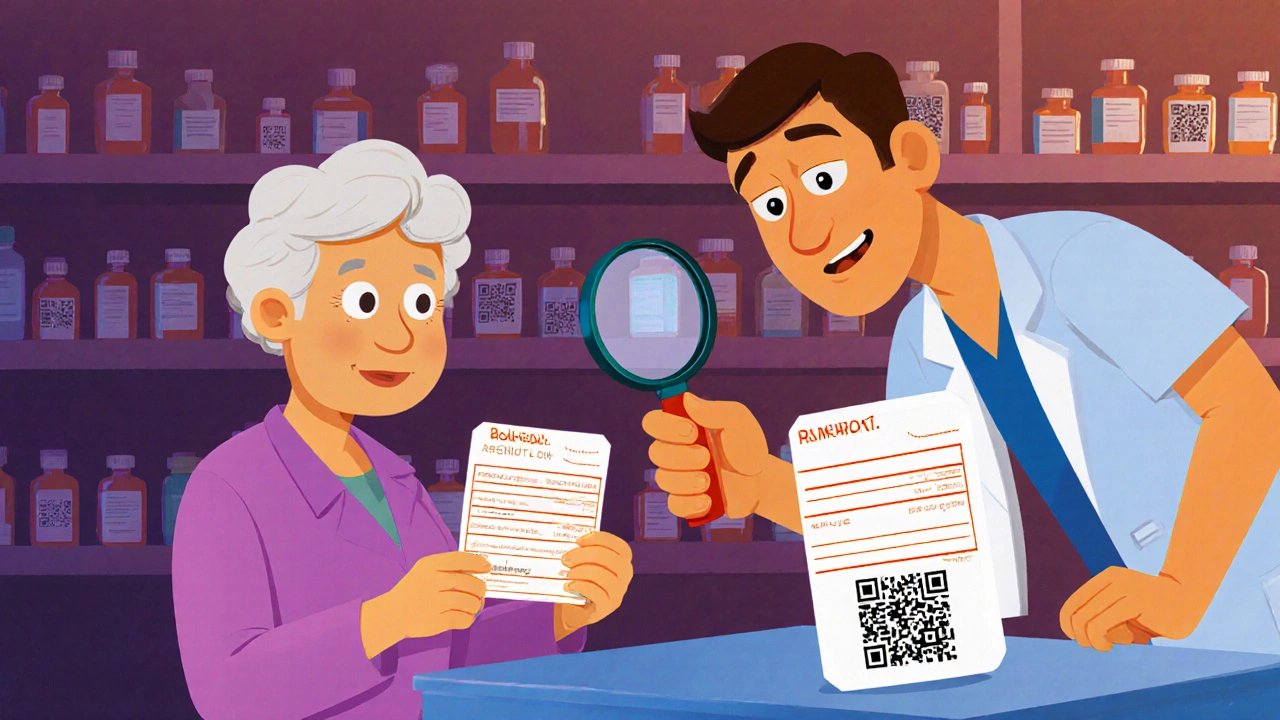
Imagine picking up a new prescription. The bottle feels familiar, but the label is a blur of tiny text you can’t make out. Or perhaps you’re in a noisy pharmacy waiting room, trying to catch the pharmacist’s instructions over the hum of the air conditioning and other conversations. For millions of people with low vision or hearing loss, this isn’t a hypothetical scenario-it’s their daily reality.
This gap in accessibility creates a dangerous situation. It is not just about inconvenience; it is a critical patient safety issue. When we cannot accurately identify, measure, or understand how to take our medicine, the risk of error skyrockets. Studies show that visually impaired individuals are 1.67 times more likely to experience medication errors than those with normal vision. These errors can lead to hospitalizations or even fatalities. Yet, despite clear guidelines existing since 2020, only a small fraction of pharmacies consistently implement necessary accommodations. This article breaks down why this happens and, more importantly, what you can do right now to protect yourself.
The Hidden Dangers of Standard Packaging
Most medicine packaging is designed for people with full sensory function. Standard prescription labels often use fonts as small as 7 to 10 points. If you have macular degeneration or glaucoma, reading that text is impossible without significant magnification. But even if you can read the words, distinguishing between two white oval pills from different manufacturers is nearly impossible.
For those with hearing impairment, the danger lies in missed information. Verbal counseling from pharmacists is crucial for understanding side effects or timing changes. In a busy environment, missing these details means taking medication incorrectly. A 2021 report titled 'The Safety Gap' highlighted that current systems routinely fail to accommodate these impairments. In the UK alone, approximately 1.8 million people face these systemic failures daily. The core problem? Medicine suppliers and pharmacies often treat accessibility as an optional extra rather than a fundamental safety requirement.
| Challenge Area | Low Vision Impact | Hearing Loss Impact |
|---|---|---|
| Identification | Cannot read small font (7-10 pt) on labels; difficulty distinguishing pill color/shape. | Minimal direct impact, unless relying on verbal confirmation from staff. |
| Dosage Instructions | Unable to see complex dosing schedules or expiration dates. | Misses verbal instructions during dispensing; misses auditory alerts from reminder devices. |
| Measurement | Difficulty seeing markings on liquid measuring cups or droppers (high error rate). | No direct visual impact, but may miss verbal correction if measurement looks wrong. |
| Refill Management | Cannot read refill status or contact info on the back of the bottle. | May miss phone notifications regarding ready refills if not using text-based alerts. |
Why Liquid Meds Are Riskier Than Pills
Not all medications pose the same level of risk. A 2019 study involving 200 visually impaired participants revealed interesting patterns in handling difficulties. Tablets and capsules were rated as the easiest to manage, with an 82% success rate in correct usage. Why? Because they are discrete units. You either take one or you don’t.
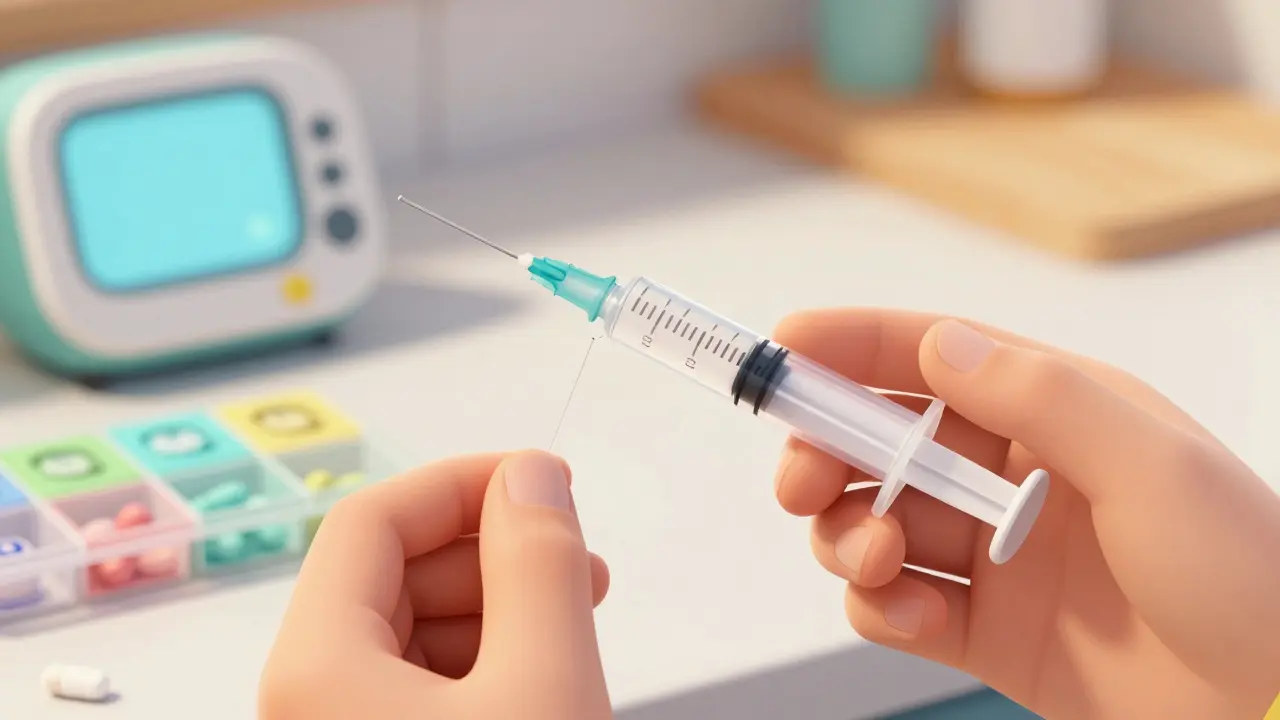
Liquid preparations and eye or ear drops tell a different story. These require precise measurement. Seeing the meniscus line on a syringe or counting drops accurately is extremely difficult without clear vision. The study showed a drop in success rates to 47% for liquids and just 39% for drops. This makes accurate dosing a major point of failure. If you rely on liquid antibiotics or insulin pens, you need specific tools-like talking glucometers or high-contrast measuring devices-to bridge this gap.
Low-Tech Solutions That Actually Work
You don’t always need expensive technology to improve safety. Sometimes, simple physical modifications are the most effective and immediate solutions. Pharmacists can help with these, but you must ask for them explicitly.
- Color-Coding: Use colored tape or markers to designate time of day. Red for morning, blue for night. This system achieves about 78% effectiveness in helping patients stay on track. It requires only seconds to apply but provides instant visual cues.
- Rubber Bands: Wrap rubber bands around bottles to indicate frequency. One band for once daily, two for twice daily. While less effective (65%) due to potential confusion, it is a quick tactile identifier.
- High-Contrast Labels: Ask your pharmacist to print labels in large, bold font (minimum 18-point type is recommended by the American Foundation for the Blind). Ensure there is sufficient white space so the text doesn’t blur together.
- Braille Labels: If you are braille-literate, this is highly effective (85% success rate). However, keep in mind that many adults who lose their vision later in life do not read braille, limiting its usefulness to about 15% of the population.
Electronic Aids and Smart Devices
When low-tech solutions aren't enough, electronic devices offer precision and independence. These tools range from affordable organizers to advanced smart systems.
Basic electronic pill boxes, like the PillDrill, cost around $29.99 and provide audible alarms when it’s time to take medication. They are simple but lack customization. On the higher end, devices like the Hero Health system ($199.99) include voice recognition and smartphone integration. These advanced systems allow you to confirm intake via voice command and send reports to caregivers.
One standout tool is the Talking Rx device. Developed by pharmacists, it attaches to prescription bottles and provides 60 seconds of customizable verbal directions. In tests with 150 subjects, it improved medication adherence by 92%. This is significantly higher than passive reminders because it reinforces the specific instructions for that particular drug every time you open the bottle.
However, there is a learning curve. Adopting a new electronic system takes an average of 4.3 weeks to feel natural, compared to just 1.2 weeks for color-coding. Be prepared for a period of adjustment where you might double-check everything manually.

The Role of Your Pharmacist
Your pharmacist is your first line of defense, yet many are unaware of the specific needs of sensory-impaired patients. Only 28% of pharmacies routinely spend the additional 3-5 minutes required to properly counsel and label prescriptions for visually impaired clients. This is partly due to reimbursement structures; Medicare Part D, for example, pays a flat fee per prescription with no extra compensation for accessibility services.
To get the best care, you need to advocate for yourself. Here is how:
- Disclose Your Limitations Early: Tell your pharmacist exactly what you can and cannot see or hear. Don’t assume they know. Sixty-eight percent of people with these challenges do not inform their healthcare providers, creating a dangerous feedback loop.
- Request Specific Labeling: Ask for the American Foundation for the Blind (AFB) standards: 18-point font, high contrast, and no glare-inducing materials like glossy tape.
- Ask for Counseling in a Quiet Space: If you have hearing loss, request to step into a private consultation room away from the counter noise. Ask the pharmacist to face you directly so you can lip-read if necessary.
- Verify Every Change: When switching from brand-name to generic drugs, the pill shape and color often change. Always ask for a physical comparison or a verbal description of the new pill’s appearance.
Regulatory Gaps and Future Outlook
Despite the clear risks, regulatory progress has been slow. The Americans with Disabilities Act requires reasonable accommodations, but it does not mandate specific labeling standards for medication. In the UK, the Medicines and Healthcare products Regulatory Agency (MHRA) has acknowledged the need for improvement but has not set concrete timelines for mandatory accessible packaging.
Currently, only 8% of medicine packaging includes accessibility features beyond standard braille names, and crucial dosage information is frequently omitted. The FDA’s recent draft guidance on patient medication information represents incremental progress, but it still lacks mandatory accessibility requirements.
Looking ahead, the demand for accessible solutions is predicted to rise by 35% by 2028 due to aging populations. Organizations like the RNIB are developing standardized labeling systems for rollout in 2025. Until then, the burden falls on patients and caregivers to implement personal safety strategies.
What font size should prescription labels be for low vision?
The American Foundation for the Blind recommends a minimum font size of 18 points. Standard labels often use 7-10 point fonts, which are illegible for many people with visual impairments. High contrast (black text on white background) is also essential.
Are electronic pill boxes worth the cost?
For complex regimens, yes. Basic organizers cost around $30 and provide audible alerts. Advanced systems with voice recognition cost up to $200 but offer better adherence tracking. If you forget doses frequently or have multiple medications, the investment reduces the risk of costly medical errors.
How can I safely measure liquid medication with poor vision?
Use oral syringes instead of cup measures, as they have clearer markings. Look for high-contrast syringes with black lines. Alternatively, ask your pharmacist for a pre-measured dose or consider a talking scale if weighing is an option. Never estimate doses with spoons.
What should I do if my pharmacy won’t accommodate my needs?
Find a new pharmacy. You are not legally bound to use a specific pharmacy. Look for independent pharmacies or chains known for personalized service. Bring your own labels or ask a friend to help transfer medications into accessible containers if the pharmacy refuses to assist.
Does Medicare cover accessible medication aids?
Generally, no. Medicare Part D covers the drug itself but rarely covers ancillary aids like specialized labeling or electronic organizers. Some Medicaid programs or private insurance plans may offer partial coverage for durable medical equipment, so check your specific policy.