ADHD Medication & Thyroid Risk Assessment
Disclaimer: This tool is for educational purposes only. It does not provide medical advice. Always consult a licensed endocrinologist or cardiologist before starting or changing medications.
Enter your details and click "Analyze" to see the interaction profile.
⚠️ Warning: Red Flag Symptoms
If you experience a resting heart rate >110 bpm, chest tightness, or sudden panic attacks while taking these medications, contact your doctor immediately.
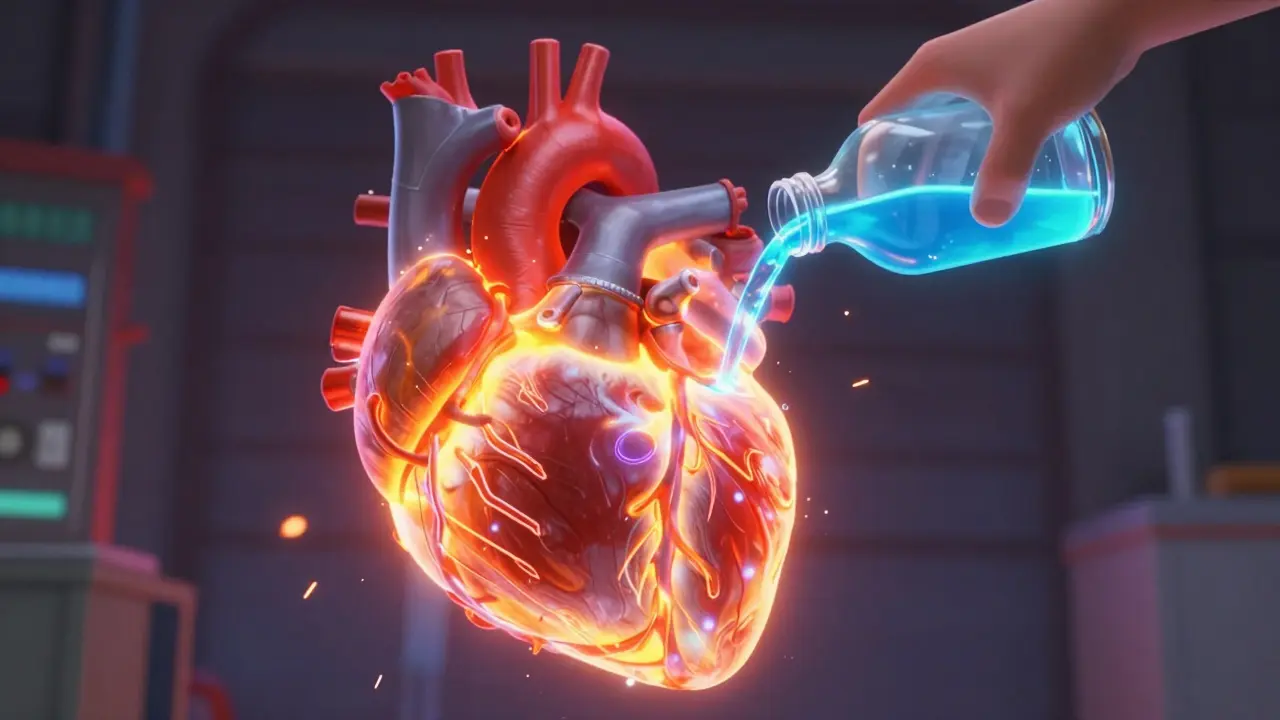
Imagine taking a pill to help you focus, only to find your heart racing at 140 beats per minute while you're just sitting on the couch. For many, this isn't a rare side effect-it's a dangerous physiological collision. When you have Hyperthyroidism is a condition where the thyroid gland produces excessive amounts of thyroid hormones (T3 and T4), your body is already in a state of metabolic overdrive. Adding a stimulant to that mix is like pouring gasoline on a fire.
The danger here is real and measurable. Because hyperthyroidism makes your heart more sensitive to adrenaline-like signals, medications used to treat ADHD can push your cardiovascular system into a danger zone. This isn't just about feeling "jittery"; it's about the risk of hypertensive crises, atrial fibrillation, and severe panic episodes. If you're managing a thyroid condition or suspect you have one, understanding how these drugs interact is a matter of safety.
Why Stimulants and Overactive Thyroids Clash
To understand the risk, you have to look at how your heart reacts to hormones. In a healthy person, the heart responds to norepinephrine to speed up during exercise. However, in someone with an overactive thyroid, beta-adrenergic receptors-the "switches" that tell your heart to beat faster-become 30-40% more sensitive. Your heart is essentially "primed" to overreact.
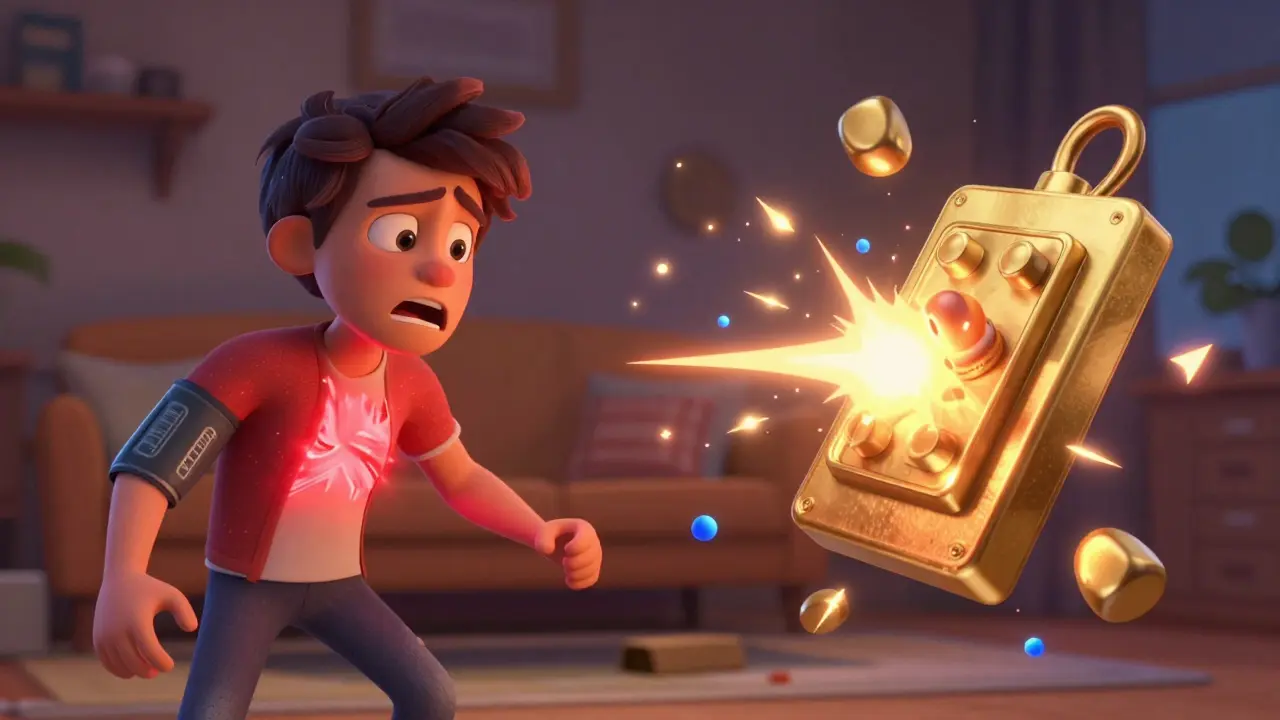
Now, enter Adderall is a combination of amphetamine and dextroamphetamine used to treat ADHD. This drug works by flooding your brain and body with norepinephrine and dopamine, sometimes increasing their release by 300-500%. When you combine a heart that is hypersensitive to these chemicals with a drug that floods the system with them, the results can be volatile. A resting heart rate that should be 70 bpm can easily spike to 160 bpm, putting immense strain on the heart muscle.
The Heart and Anxiety Toll
The cardiovascular risks aren't just about speed; they're about rhythm and pressure. The American Heart Association has noted that people with hyperthyroidism taking stimulants have a 3.2-fold higher risk of developing atrial fibrillation (an irregular, often rapid heart rate) compared to those who only have the thyroid condition.
Blood pressure is another major concern. While a drug like Methylphenidate is a central nervous system stimulant commonly known by the brand name Ritalin might only raise blood pressure by a few points in a healthy adult, it can cause a jump of 10-15 mmHg in someone with hyperthyroidism. This can push a patient straight into a hypertensive crisis, where blood pressure exceeds 140/90 mmHg, risking organ damage or stroke.
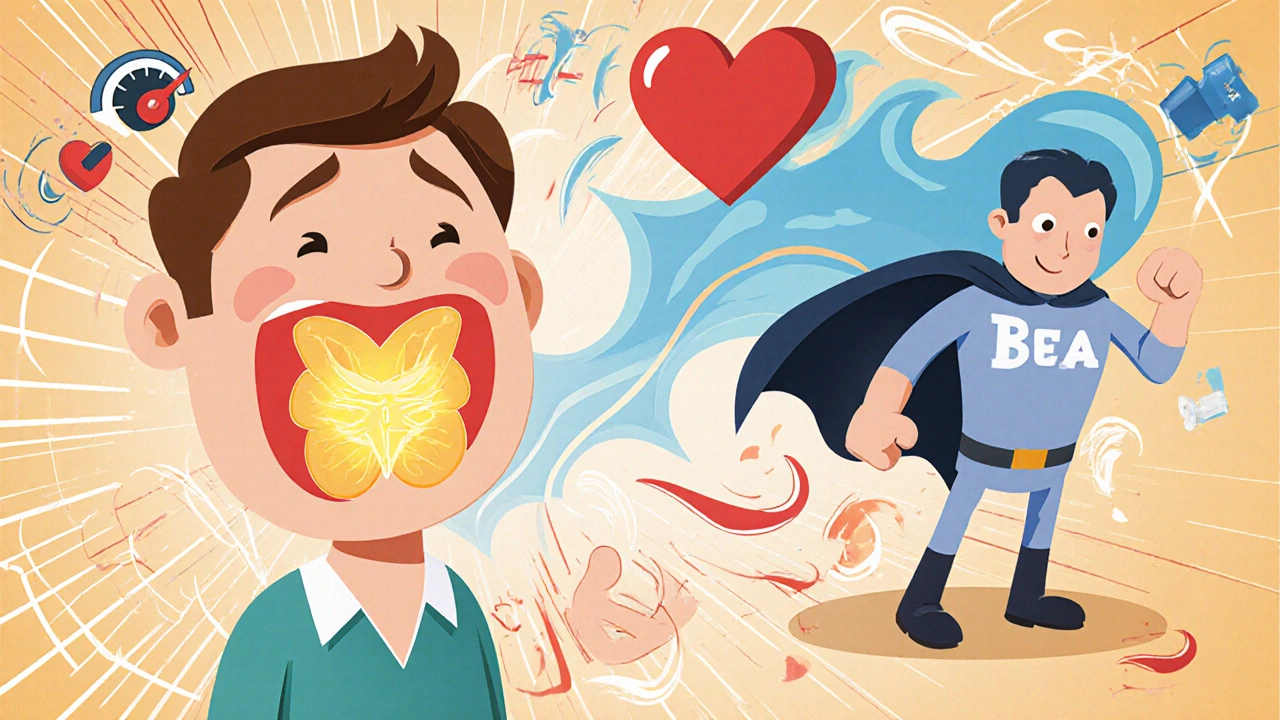
Beyond the physical heart, the neurological impact is grueling. There is a strong link between these physical spikes and mental health crashes. Research from Thyroid UK shows that 78% of patients with untreated hyperthyroidism who use stimulants report severe anxiety. When your heart is pounding and your metabolism is skyrocketing, your brain often interprets these physical signals as a panic attack, leading to a cycle of severe anxiety that is difficult to break without medical intervention.
Comparing Different Stimulants: Not All Are Equal
If you and your doctor are weighing options, it's important to know that different stimulants carry different weights of risk. Amphetamine-based drugs generally hit the heart harder than methylphenidate-based ones. For example, Adderall typically causes a 28% greater increase in heart rate than Ritalin at the same dose.
| Medication | Cardiac Risk Level | Key Effect on Heart Rate | Thyroid Interaction |
|---|---|---|---|
| Adderall (Amphetamine) | High | Significant Spike | Generally contraindicated |
| Ritalin (Methylphenidate) | Moderate | Moderate Increase | Cautious use at low doses |
| Vyvanse (Lisdexamfetamine) | Moderate-High | Gradual Increase | Lower peak effects than IR Adderall |
| Strattera (Atomoxetine) | Low | Minimal Increase | Non-stimulant alternative |
For those who absolutely cannot use stimulants, Atomoxetine is a non-stimulant norepinephrine reuptake inhibitor used for ADHD is often the safest route, as it typically only increases the heart rate by 2-3 bpm, regardless of thyroid status.
The Danger of Misdiagnosis
One of the biggest risks isn't the medication itself, but the diagnosis that leads to it. Hyperthyroidism and ADHD are masters of disguise because they share a surprising number of symptoms. Both can cause:
- Difficulty concentrating
- Restlessness and insomnia
- Irritability and mood swings
- Hand tremors
The Endocrine Society reports that 15-20% of adults with undiagnosed hyperthyroidism are initially misdiagnosed with ADHD. This is a critical error. If a doctor prescribes a stimulant to someone whose "ADHD" is actually a thyroid storm in slow motion, they are essentially prescribing a drug that worsens the primary disease while adding dangerous side effects. This is why modern guidelines from the American Association of Clinical Endocrinologists insist on ruling out thyroid dysfunction before starting any stimulant therapy.

Managing the Interaction Safely
If you must be on both thyroid medication and a stimulant, you cannot wing it. You need a strict monitoring protocol. This usually starts with a baseline echocardiogram and a 24-hour Holter monitor to see how your heart is behaving before the drug is introduced.
Dosage is everything. Doctors typically start with the absolute lowest dose-think 5mg of Adderall or Methylphenidate-and increase it very slowly. While doing this, you should be checking your TSH (Thyroid Stimulating Hormone) levels every three months. It takes that long for your levels to stabilize after a medication change, so frequent testing is the only way to know if the drugs are fighting each other.
You also need to be aware of "binders." Some medications or supplements can stop your thyroid meds from absorbing. For instance, you should separate calcium carbonate by four hours and ferrous sulphate by two hours from your thyroid dose to ensure the treatment is actually working.
Warning Signs: When to Call the Doctor
You need to be your own first line of defense. If you are taking stimulants while managing hyperthyroidism, keep a close eye on these "red flag" symptoms:
- A resting heart rate that consistently stays above 110 bpm.
- Chest pain or a feeling of "tightness" in the chest.
- Severe anxiety or panic attacks that don't go away within two hours of taking your dose.
- Sudden, unexplained weight loss or excessive sweating.
- Fainting or feeling lightheaded during mild activity.
If any of these occur, it's not "just the drug kicking in"-it's a sign that the interaction is becoming dangerous and requires immediate medical adjustment.
Can I take Adderall if I have a controlled thyroid condition?
If your hyperthyroidism is fully stabilized and your TSH levels are normal, some doctors may allow stimulants, but it is rare. The Endocrine Society generally discourages Adderall for those with hyperthyroidism due to the risk of exacerbating symptoms. Always consult an endocrinologist before starting a stimulant if you have any history of thyroid dysfunction.
Why does hyperthyroidism make stimulants more dangerous?
Hyperthyroidism increases the sensitivity of your beta-adrenergic receptors by 30-40%. Since stimulants increase the release of norepinephrine, your heart reacts much more aggressively to the drug than it would in a person with normal thyroid levels, leading to dangerous spikes in heart rate and blood pressure.
Is Ritalin safer than Adderall for someone with thyroid issues?
Generally, yes. Meta-analyses show that Adderall causes a significantly higher increase in heart rate (about 28% more) than Methylphenidate (Ritalin) at equivalent doses. However, both are stimulants and can be risky. Methylphenidate may be used cautiously at very low doses (<18mg/day) in cases of mild subclinical hyperthyroidism, but only with strict cardiac monitoring.
Can ADHD medications affect my T4 levels?
Yes. Research has indicated that stimulant medications can cause a statistically significant drop in thyroxine (T4) levels, particularly in children. This can make managing your thyroid condition much more difficult and may require adjustments to your thyroid hormone replacement therapy.
What should I do if I suspect I have both ADHD and hyperthyroidism?
The first step is to get a full thyroid panel (TSH, T3, and T4) to rule out thyroid dysfunction. Because the symptoms overlap so heavily, you should treat the thyroid condition first. Many people find that once their thyroid levels are stabilized, their "ADHD" symptoms improve or disappear entirely, removing the need for stimulants altogether.





12 Comments
Eric Mwiti
Oh great, another reminder that our bodies are basically just a series of catastrophic glitches waiting to happen.
Carol Yang
Glad this is out there! Definitely helps people stay safe. ✨
Vijay AGarwal
ABSOLUTE MAYHEM! People are literally playing Russian Roulette with their hearts by popping these pills without a blood test! It is an absolute disaster waiting to happen, a total cardiac explosion in the making! Get your TSH checked before you turn your chest into a drum kit!
Majestic Blue Band
It is funny how they mention these 'guidelines' from the Endocrine Society, but they never mention how these pharmaceutical companies practically push these stimulants on every single child in school regardless of their thyroid status just to keep the profit margins skyrocketing while the doctors are paid off to ignore the actual root causes of anxiety, and probably the 'atrial fibrillation' is just a cover for some other experiment they are running on us without our consent, all while we're told to just 'monitor our levels' every three months as if that's actually enough to stop the systemic damage they've already done to our endocrine systems.
Edwin Perez
Standard pharma propaganda. They just want you on the non-stimulant ones so you stay compliant and docile.
Michael Chukwuma
I can imagine how scary it must feel to have your heart racing like that without knowing why. It really emphasizes the need for patience and care during diagnosis.
Nila Sawyer
Omg this is such an eye-opener for everyone!! 🌸 I really hope so many people see this and decide to get their thyroids checked before starting any new meds because your health is the most precious thing you have and taking a little extra time for a blood test is totally worth it to make sure your heart stays happy and healthy for years to come!!! 💖✨🌈
Anand Mehra
biological chaos. a mistake in the blood and the heart pays the price. typical
suresh kumar
Wild stuff. My cousin took some sketchy pills from a gym and his heart went absolutely bananas, probably had a thyroid glitch too, total circus!
Karyn Tindall
THE HORROR of a 160 bpm resting heart rate is just unthinkable! I cannot imagine the sheer terror of feeling your heart try to leap out of your chest just because of a medication mistake! It is absolutely harrowing!
Nikita Shabanov
The distinction between amphetamines and methylphenidate is an important one here. While both are stimulants, the potency of the heart rate increase differs significantly, which is why the choice of medication must be tailored to the patient's specific endocrine profile to mitigate risk.
sachin singh
It is quite fascinating to see how the beta-adrenergic receptors become so sensitive. I wonder if there are specific dietary interventions that could complement the medical monitoring to further stabilize these reactions in patients who truly need stimulants.