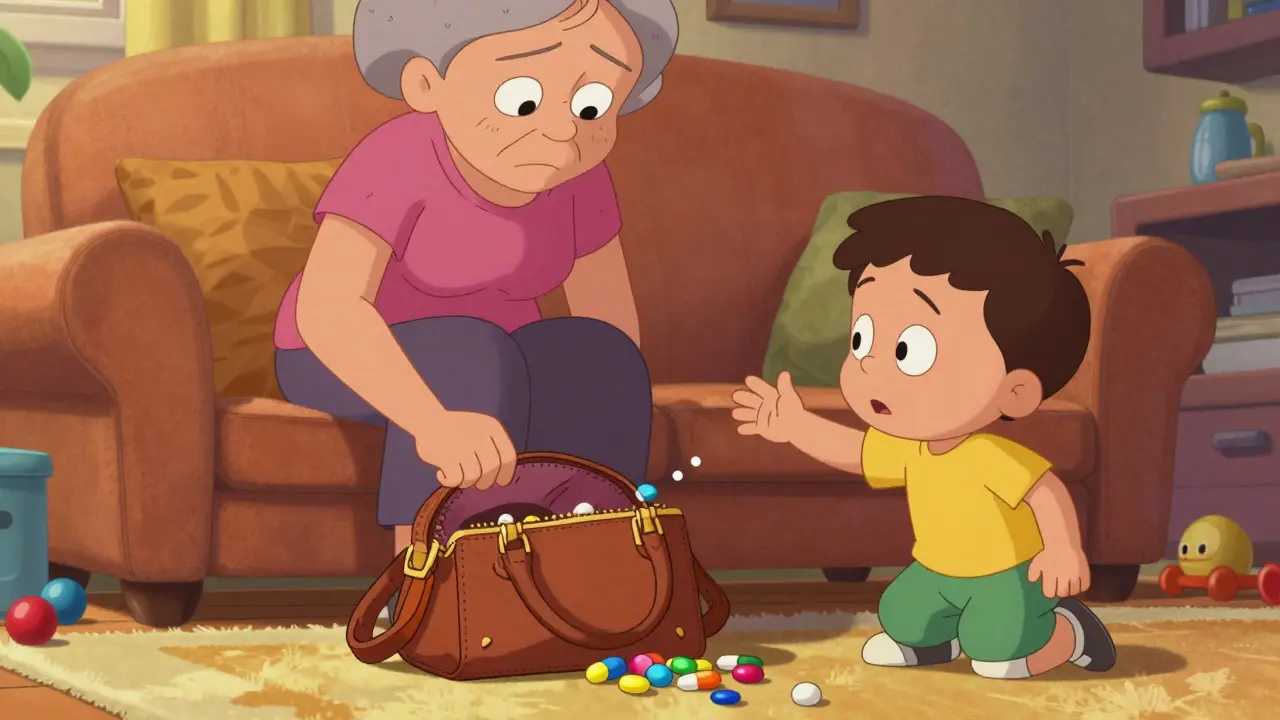
It happens faster than you can blink. You give your child a fever reducer in the morning, and by evening, they’re still running hot. So, you grab that cold-and-flu syrup from the back of the cabinet because it says it helps with aches too. You pour the dose, watch them drink it, and feel relieved. But here is the scary part: you just gave them two doses of the same drug without realizing it.
This is called double dosing, and it is one of the most common-and dangerous-medication mistakes parents make. According to research published in Pediatrics, about 21% of parents have accidentally doubled up on a dose at least once. It’s not because we are careless; it’s because the labels are confusing, brand names hide the truth, and we are often exhausted when our kids are sick. The good news? You can stop this from happening by learning one simple skill: checking the active ingredients.
The Hidden Danger of Combination Medications
The biggest culprit behind accidental overdoses isn’t usually a prescription bottle sitting on a shelf. It’s the over-the-counter (OTC) multi-symptom treatments. These products are designed to treat several issues at once-cough, congestion, fever, and pain. But they often pack multiple drugs into one liquid or pill.
Take acetaminophen, for example. It is found in Tylenol, but it also hides inside NyQuil, Theraflu, Vicks DayQuil, and dozens of generic store brands. If you give your child plain acetaminophen for a headache and then give them a nighttime cough syrup that also contains acetaminophen, you aren’t treating two different symptoms. You are doubling the dose of the same liver-processing drug.
Data from the U.S. National Poison Data System shows that acetaminophen overdose accounts for 45% of all acute liver failure cases in children under six years old. This doesn’t mean every double dose leads to hospitalization, but the risk is real. Children’s bodies process medications differently than adults’. Their livers and kidneys are still developing, meaning they cannot filter out excess chemicals as efficiently. A dose that might be harmless for an adult can push a child past their safe limit quickly.
Why are combination cold medicines risky for kids?
Combination medicines contain multiple active ingredients, such as acetaminophen for fever and diphenhydramine for sleep. If you already gave your child a separate fever reducer, adding a combo product creates an accidental double dose of the fever medication, which can strain the liver.
Reading the Label: What Actually Matters
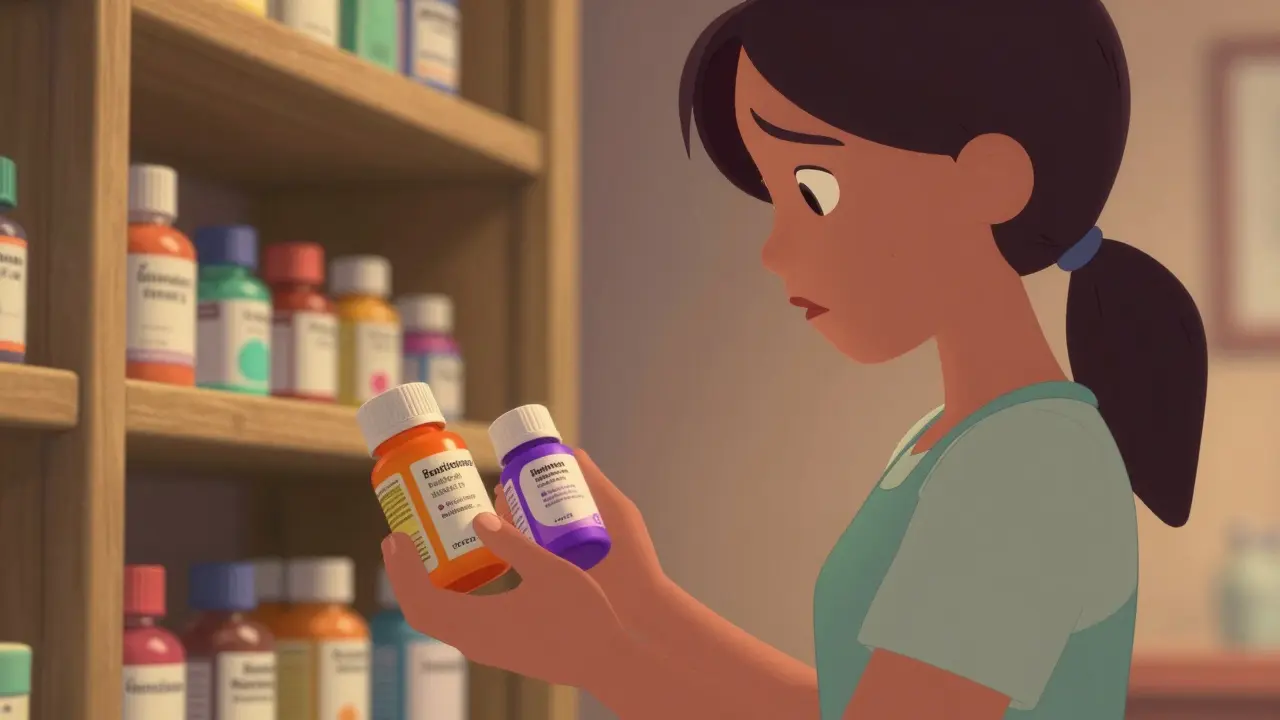
When you pick up a medicine bottle, your eyes naturally go to the big, colorful name on the front. "Children’s Berry Cold Syrup" sounds gentle and specific. But that name tells you nothing about what is actually inside. To stay safe, you need to ignore the brand name and look exclusively at the Drug Facts panel on the back.
At the top of this panel, you will see a section labeled Active Ingredients. This list details the actual medicinal compounds in the product, along with their strength per dose.. This is the only part of the label that truly matters for preventing double dosing.
You need to get comfortable with a few key names:
- Acetaminophen (also known as paracetamol): Found in Tylenol, FeverAll, and many cold meds.
- Ibuprofen: Found in Advil, Motrin, and some pain relievers.
- Diphenhydramine: Found in Benadryl and many nighttime sleep aids.
- Dextromethorphan: A common cough suppressant.
If you see "acetaminophen" on the label of Product A, you cannot give Product B if its label also lists "acetaminophen." It does not matter if the brands are different. It does not matter if one is orange flavor and the other is grape. They are the same chemical compound.
The Measurement Trap: Spoons vs. Syringes
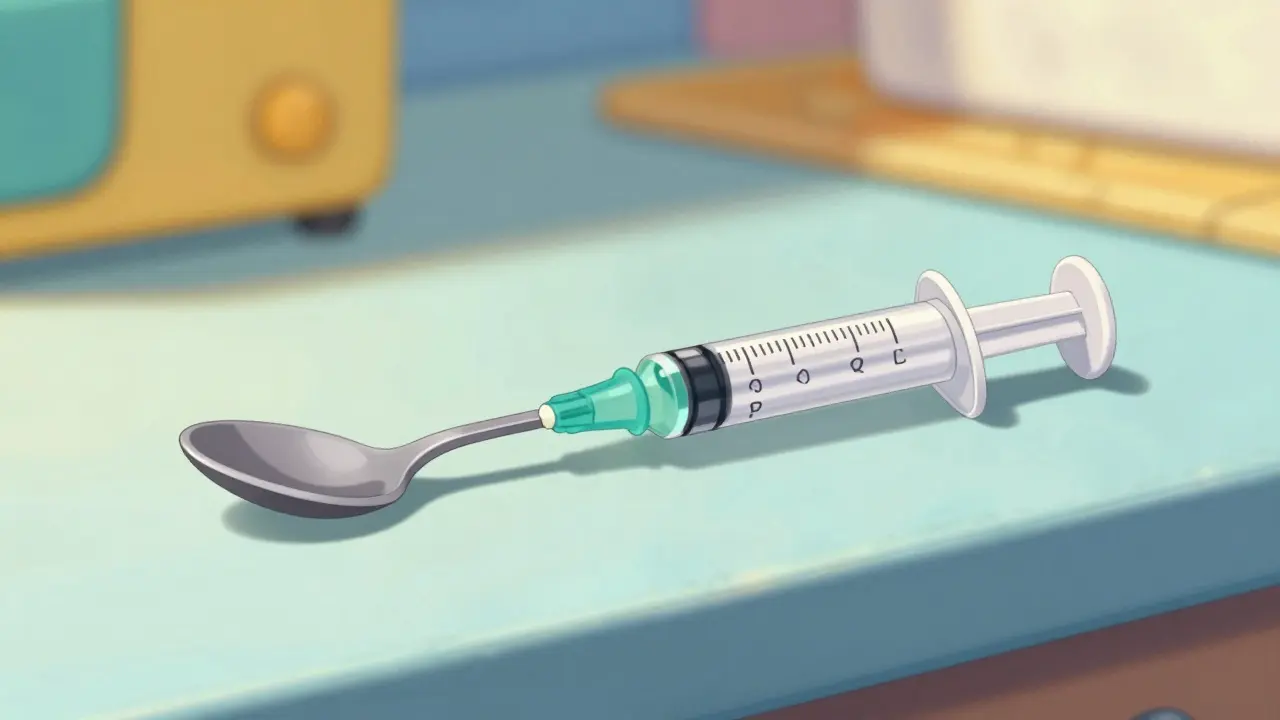
Even if you correctly identify the active ingredient, you can still overdose your child through measurement errors. This is especially true for liquid medications. The FDA has issued strict warnings about this because household cutlery is wildly inaccurate.
A standard teaspoon holds 5 milliliters (ml). However, studies show that regular kitchen teaspoons can vary in volume by up to 200%. One spoon might hold 3 ml, while another holds 7 ml. If the doctor prescribed 5 ml of ibuprofen, and you use a large serving spoon, you could accidentally give nearly double the intended dose.
To avoid this, never use a kitchen spoon. Always use the measuring device that comes with the medication. Most liquids come with a dosing syringe or a marked cup. These tools are calibrated specifically for that medication’s concentration. If you lose the original tool, ask your pharmacist for a replacement before giving the next dose. Do not guess.
Creating a Household Safety System
Relying on memory is a recipe for disaster, especially when you are dealing with a sick child, lack of sleep, and stress. Experts recommend building a system that removes guesswork from the equation.
1. The "One Person" Rule
Designate one primary caregiver to administer all medications during a single illness episode. Communication breakdowns between partners or grandparents account for 38% of double dosing incidents. If Mom gives the medicine at 4 PM, Dad needs to know exactly what was given and when before administering anything else at 8 PM.
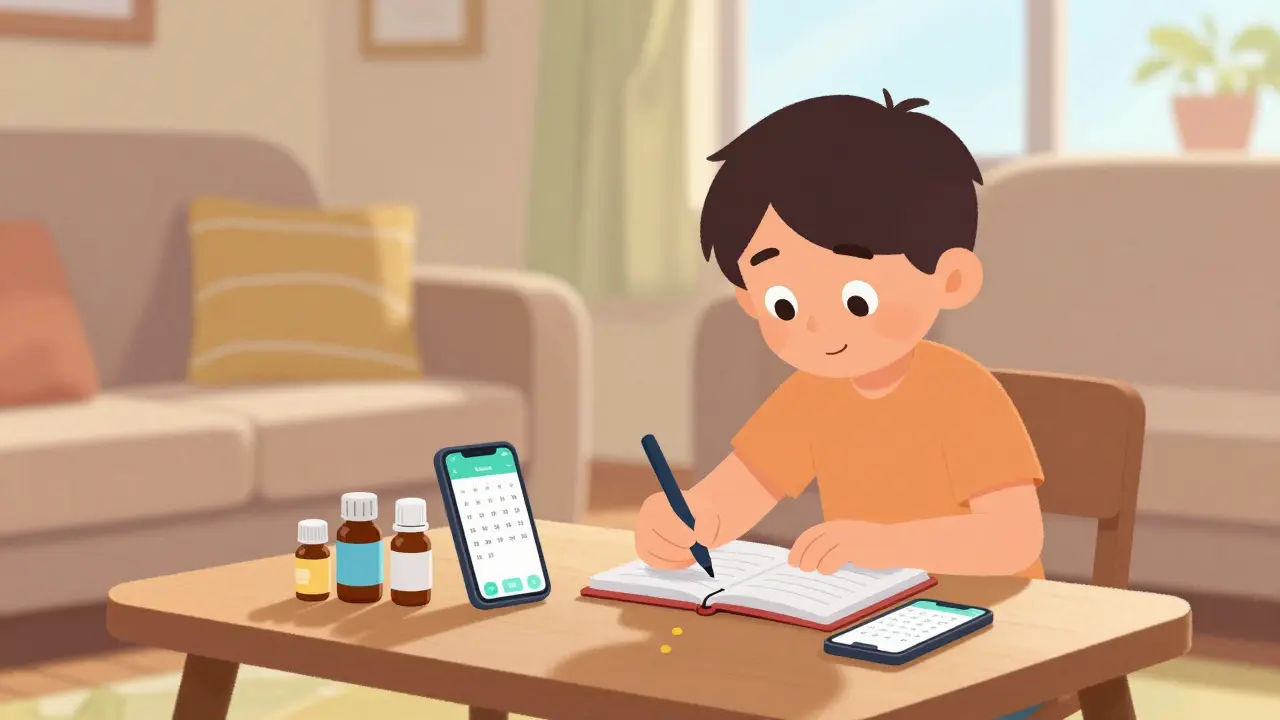
2. Keep a Log
Use a notebook or a notes app on your phone. Write down:
- The time the medication was given.
- The exact name of the product.
- The active ingredient(s).
- The amount given (e.g., 5 ml).
This log serves as a hard record. When it’s time for the next dose, you check the log first. Did I give acetaminophen four hours ago? Yes. Okay, I will not give the multi-symptom cold syrup that also contains acetaminophen.
3. Use Digital Tools
Apps like Medisafe or Round Health can help track doses. Some newer pharmacy services, like Amazon Pharmacy’s MedCheck feature, even scan purchased medications to alert you if two items share the same active ingredient. While these tools are helpful, they should supplement, not replace, your own label-checking habit.
When to Call for Help
Mistakes happen. If you suspect your child has received a double dose, do not panic, but act quickly. Watch for signs of distress, such as extreme drowsiness, rapid breathing, vomiting, or confusion.
Contact the American Association of Poison Control Centers. They provide expert guidance on medication exposures and can advise whether immediate medical attention is needed. at 1-800-222-1222. They are available 24/7 and can tell you exactly what to do based on your child’s weight, age, and the specific medication involved. In many cases, they can reassure you that no further action is needed, saving you an unnecessary trip to the ER. In others, they will direct you to seek emergency care immediately.
Preventing double dosing isn’t about being perfect. It’s about being informed. By shifting your focus from brand names to active ingredients, using proper measuring tools, and keeping a simple log, you create a safety net that protects your child from preventable harm. Take a moment today to look at the medicine cabinet. Read those labels. You might be surprised by how many hidden duplicates are waiting there.