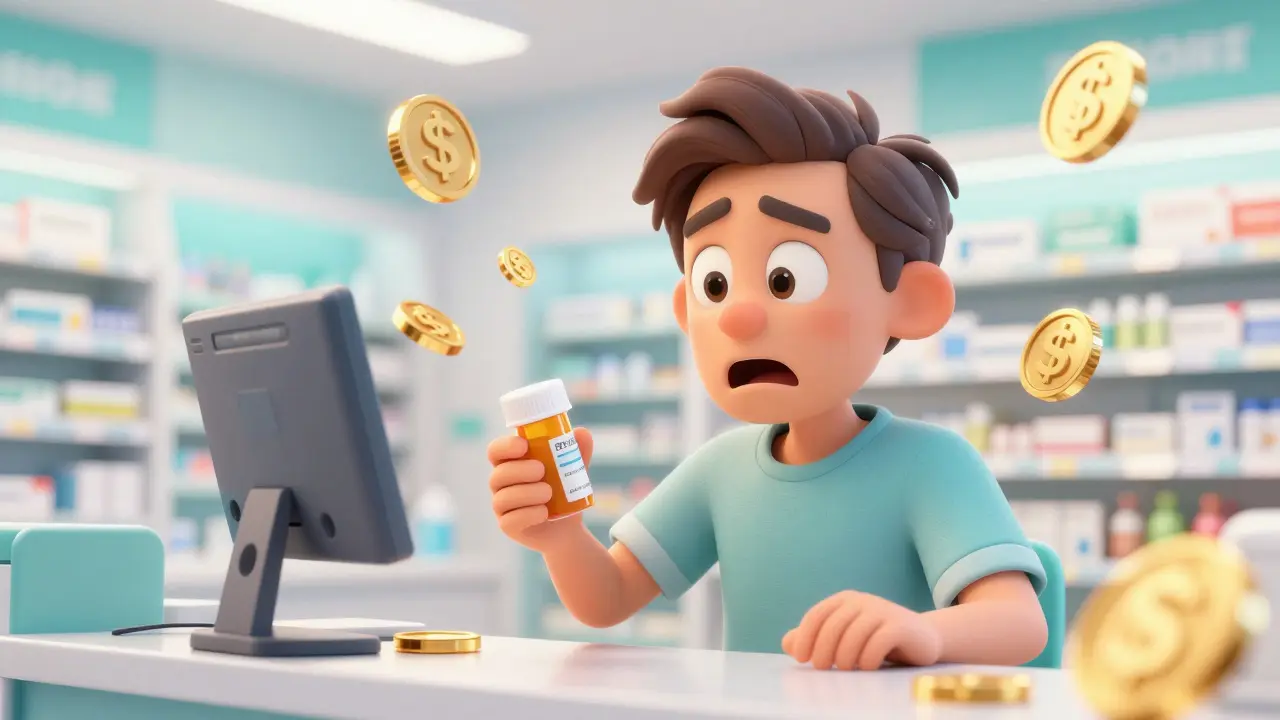
Imagine paying $300 a month for a medication, only to find out that an identical version exists for $4. For many of us, this isn't just a hypothetical scenario-it's the reality of the pharmaceutical market. The gap between brand-name pricing and generic costs can be staggering, often leaving patients to choose between their bank accounts and their health. But why is the price difference so huge, and can you actually trust a cheaper pill to do the same job?
The short answer is yes. Switching to generic medications is the process of using pharmaceutical products that contain the same active ingredients, strength, and dosage form as a brand-name drug but are sold under the chemical name of the active ingredient. These drugs aren't "knock-offs" or lower-quality alternatives; they are scientifically equivalent versions of the original medication, approved by regulatory bodies like the FDA to ensure they work exactly the same way in your body.
The Real Reason Generics Cost Less
It's natural to assume that a lower price means lower quality, but in pharmacy, the opposite is often true. The high cost of brand-name drugs isn't because the ingredients are more expensive; it's because of the massive overhead involved in bringing a new drug to market. A company developing a brand-name drug spends billions on research, clinical trials, and marketing. Once their patent expires, other companies can produce the same drug.
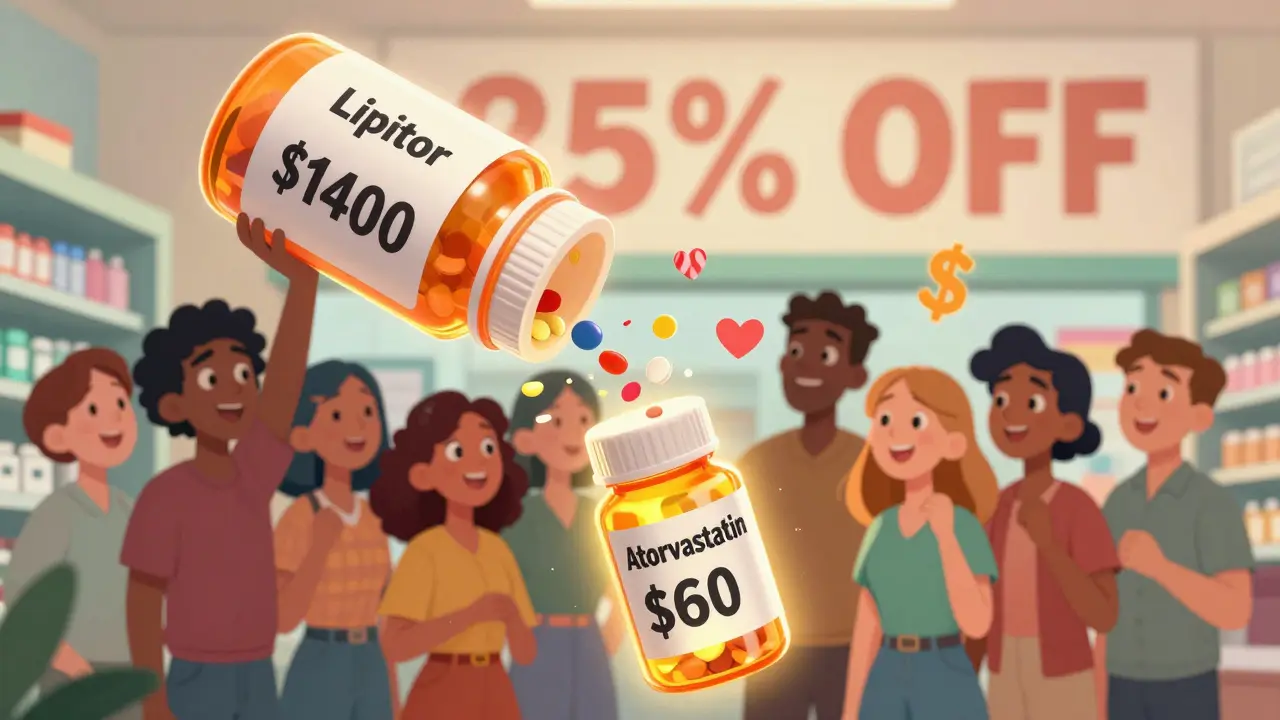
Generic manufacturers don't have to repeat those expensive animal and clinical studies. They simply prove that their version is bioequivalent to the original. Because they skip the R&D phase and the aggressive advertising campaigns, they can pass those savings on to you. According to FDA data, generic drugs can cost up to 85% less than their brand-name counterparts. When multiple companies compete to sell the same generic drug, prices drop even further. For example, the generic version of Atorvastatin (the generic for Lipitor) crashed the price from roughly $130 a month down to as low as $4 at some pharmacies.
Does "Generic" Actually Mean "Equivalent"?
The biggest fear people have when switching is that the drug won't work as well. However, the standards for approval are incredibly strict. To get the green light, a generic must demonstrate bioequivalence , meaning it delivers the same amount of active ingredient into the bloodstream in the same amount of time as the brand name. The FDA requires a 90% confidence interval for the ratio of geometric means between 80% and 125% for both the maximum concentration (Cmax) and the area under the curve (AUC). In plain English: it has to hit the target almost exactly.
You might notice that your generic pill is a different color, shape, or size. This is because inactive ingredients-like dyes, binders, and flavorings-can vary. These fillers don't affect how the medication treats your condition, but they do change the look. While this can be jarring, it's purely cosmetic. A study in the Journal of the American Heart Association involving 186,000 patients found no difference in effectiveness between generic and brand-name heart medications for conditions like hypertension.
| Feature | Brand-Name Drugs | Generic Drugs |
|---|---|---|
| Active Ingredients | Original patented formula | Identical to brand-name |
| Cost | High (covers R&D and marketing) | Low (no R&D costs) |
| Appearance | Consistent branding | Varies by manufacturer |
| Approval Path | Full New Drug Application (NDA) | Abbreviated New Drug Application (ANDA) |
| Effectiveness | Clinically proven | Proven bioequivalent |

The Hidden Benefit: Better Medication Adherence
Price isn't just about saving a few dollars; it's about health outcomes. When medications are expensive, people start skipping doses or cutting pills in half to make them last longer. This is a dangerous game that can lead to relapses or complications. Research published in the Research in Social and Administrative Pharmacy found that patients using generics were 68% less likely to skip doses due to cost concerns.
Think of it this way: if your diabetes medication costs $300 but the generic Metformin costs $4, you are far more likely to take it every single day without stress. This leads to better long-term control of the disease and fewer emergency room visits. Financial relief directly translates to better medical compliance.
When Should You Be Cautious?
While generics are safe for the vast majority of people, there are a few specific cases where you should have a deeper conversation with your doctor. Some drugs have what's called a Narrow Therapeutic Index (NTI) . This means that even a tiny difference in the drug's concentration in your blood could be the difference between the drug working or being toxic.
Specialists, such as neurologists dealing with antiepileptic drugs, sometimes suggest monitoring patients more closely during a switch. If you are taking a medication where a very precise dose is critical-like certain blood thinners or seizure medications-ask your provider if a generic is right for you. In most cases, the FDA's strict standards still cover these, but your doctor's clinical experience with your specific body chemistry is the best guide.
How to Successfully Make the Switch
Moving to a generic is usually a seamless process, but a little preparation helps. Start by checking the FDA Orange Book , which is the authoritative resource for therapeutic equivalence. If your drug is listed as equivalent, the switch is scientifically sound.
Here is a simple game plan for your next pharmacy visit:
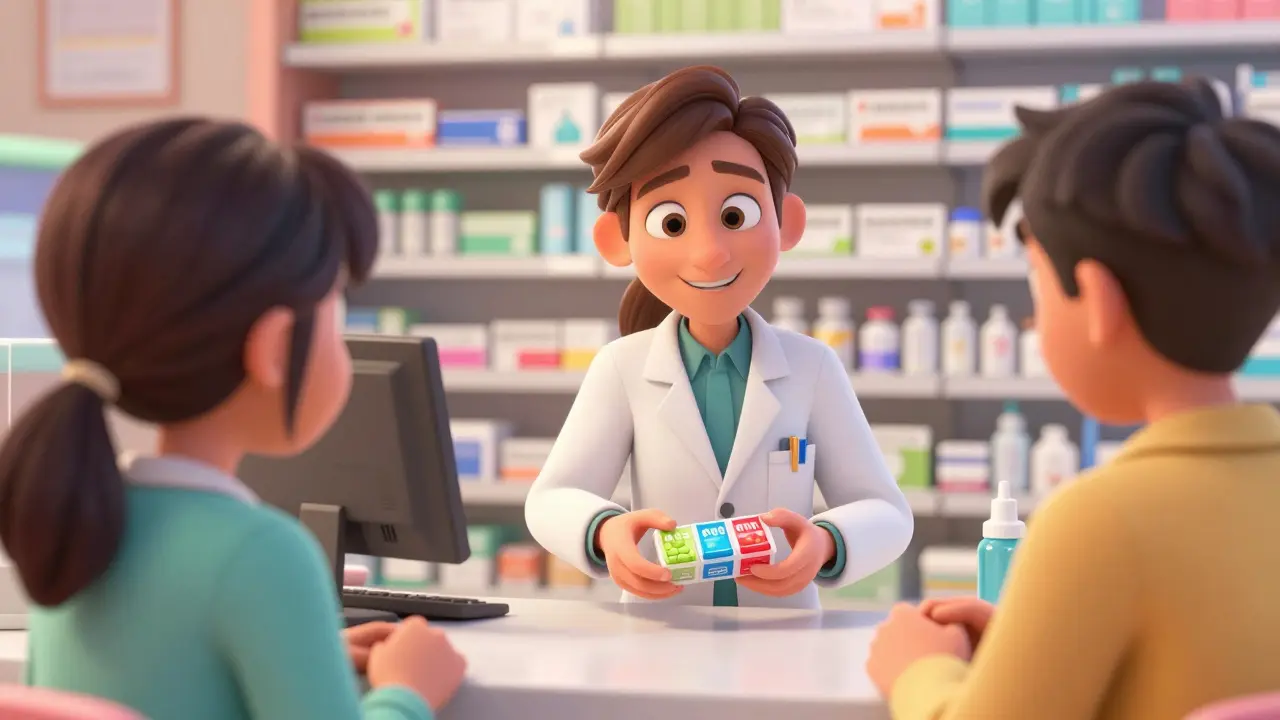
- Talk to your pharmacist: They can tell you if a generic is available and how much it will save you.
- Check your insurance: Most plans use "tiered formularies" that make generics the cheapest option, often reducing copays to between $1 and $10.
- Confirm with your doctor: A quick message to your provider ensuring a generic is appropriate for your specific condition is always a smart move.
- Prepare for a new look: Don't be alarmed if the pill changes from a blue circle to a white oval. Focus on the name of the active ingredient on the label, not the color of the pill.
For those interested in the future of medicine, keep an eye on Biosimilars . These are essentially "generics" for complex biologic drugs (like those used for autoimmune diseases). They are more complex to make than simple chemical pills, but they are starting to enter the market and could save the healthcare system hundreds of billions of dollars in the coming decade.
Are generic drugs less effective than brand-name drugs?
No. Generic drugs must contain the same active ingredients and be bioequivalent to the brand-name version. This means they must deliver the same amount of medication into the blood at the same rate, resulting in the same clinical effect.
Why do some generics look different from the brand-name pill?
Differences in color, shape, and size are caused by inactive ingredients (fillers, binders, and dyes). These do not affect the drug's efficacy or safety, and federal law prohibits generics from looking exactly like the brand-name version to avoid trademark infringement.
Can I switch all my medications to generics?
Most medications can be switched safely. However, for drugs with a "narrow therapeutic index" (where small dose changes matter a lot), you should consult your doctor to ensure the switch won't affect your stability.
How much money can I actually save by switching?
Savings vary, but on average, generic drugs are 80-85% cheaper than brand-name versions. In some cases, a monthly cost can drop from hundreds of dollars to just a few dollars per month.
What is an ANDA and why does it matter?
An Abbreviated New Drug Application (ANDA) is the process generic makers use to get FDA approval. It's "abbreviated" because they don't have to repeat the original clinical trials; they only need to prove the drug is the same as the original.



10 Comments
Mark Koepsell
The point about NTI drugs is crucial. Some patients don't realize that for things like warfarin or digoxin, a slight variation in bioavailability can actually cause clinical issues, regardless of FDA bioequivalence standards.
Robert Cowley
Omg typical corporate propaganda 🙄 Imagine actually trusting a pill made in a factory that probably cuts corners just to save a nickel. Absolute joke!! 🤡
Sarah Mifsud
I've been a pharma tech for years and i always tell peopel to check the cost. Its crazy how much you can save just by asking for the generic equivelent at the counter!!
Rebekah Korak
It is truly fascinating how the collective consciousness clings to the idea of 'branding' as a proxy for quality, as if the prestige of a logo somehow transmutes the chemical structure of a molecule into something more potent, which is essentially just a psychological manifestation of our societal obsession with status symbols in the most unlikely of places. We live in an era where the packaging is often more curated than the product itself, leading us to believe that a higher price tag correlates with a higher state of being or better health, when in reality, the molecular architecture remains stubbornly indifferent to the marketing budget of the corporation selling it. One must contemplate the irony of paying a premium for the privilege of funding a marketing campaign that tells you the drug you are already taking is superior, creating a feedback loop of consumerist delusion that serves only to enrich the shareholders while the patient remains trapped in a cycle of perceived necessity. It's not just about the money, but about the existential surrender to the notion that a brand name provides a safety net that science has already proven is redundant. We are essentially paying for a feeling of security, a placebo of prestige, while the actual active ingredient is laughing at our willingness to be exploited by a simple trademark.
Srinivas Komakula
The reliance on the ANDA process is a dangerous gamble!!! These bioequivalence metrics are merely statistical averages that mask systemic variability in manufacturing protocols across diverse jurisdictions!!! The pharmacokinetic profiles are manipulated through strategic excipient selection to deceive the regulatory apparatus!!!
Preety Singh
The lack of nuance regarding regional manufacturing standards is quite apparent here. One would assume a basic understanding of global supply chain volatility would be integrated into such a discussion
Seema Karanje
JUST SWITCH ALREADY!! Stop complaining and save your money!! It is the same stuff!! GET IT DONE!!
Christina Lancey
It's great to see more people getting this information. Everyone deserves affordable care.
Lando Neal
This is really helpful!!! I had no idea about the Orange Book thing!!!
J. Walter Jenkem
Glad you found it useful. It's a reliable tool for anyone wanting to verify their meds.