How to Track Medication Expiration Dates in Your Cabinet
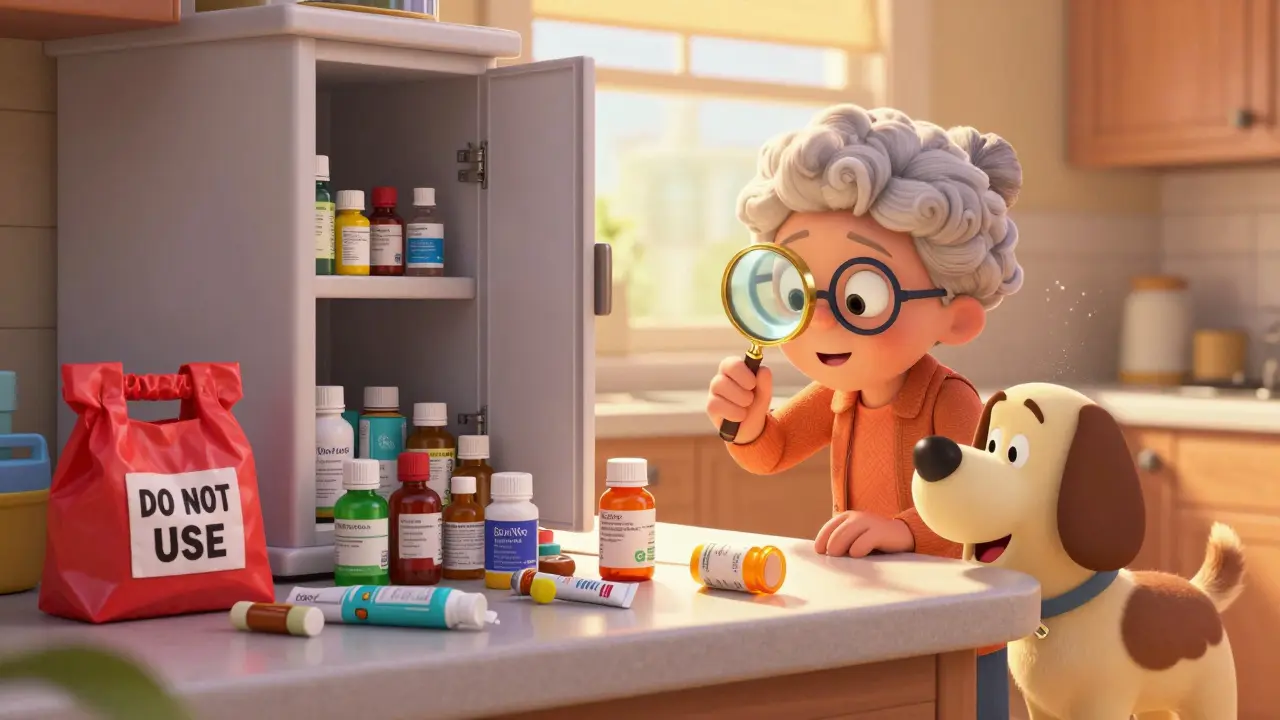
Learn how to safely track and manage expiration dates for medications in your home cabinet. Simple, practical steps to avoid risks from expired pills, liquids, and supplements.
View more
Learn how to safely track and manage expiration dates for medications in your home cabinet. Simple, practical steps to avoid risks from expired pills, liquids, and supplements.
View more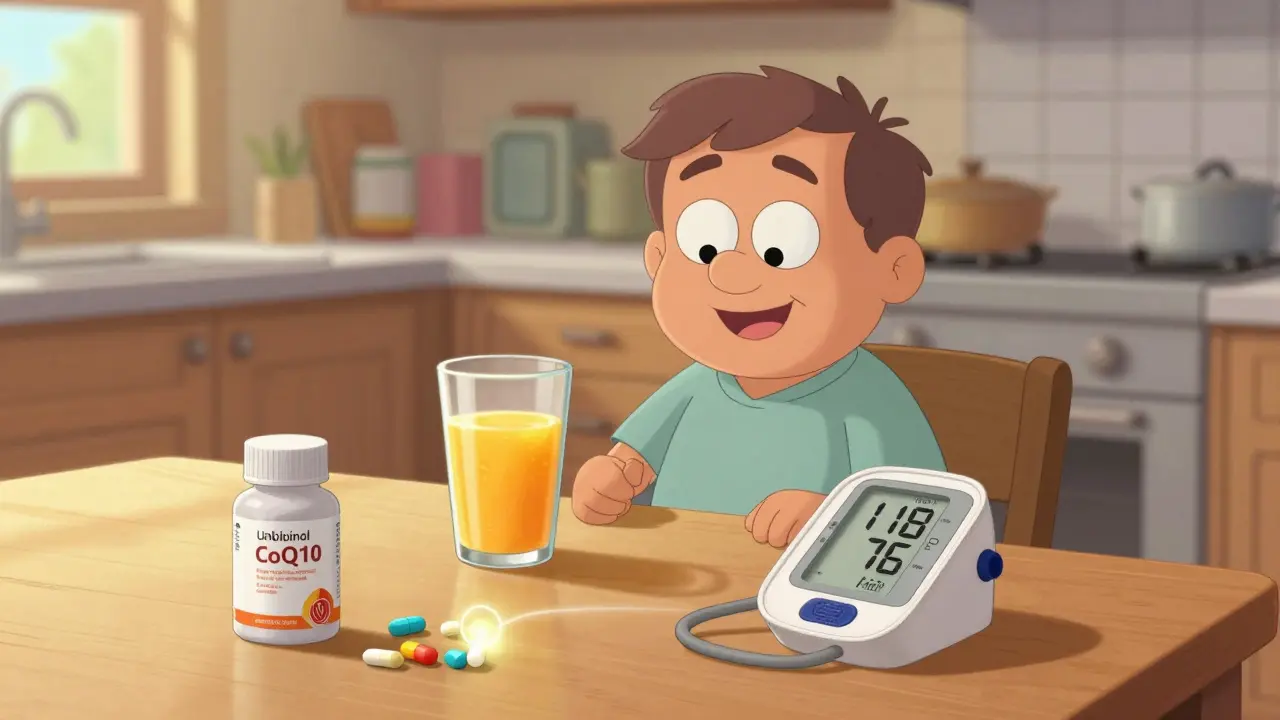
Coenzyme Q10 may help lower blood pressure slightly, but mixing it with meds can be risky. Learn how it works, who it helps, and how to use it safely without dangerous side effects.
View more
Codeine can cause fatal overdoses in people with a rare genetic trait that turns it into morphine too fast. Learn who's at risk, how to spot the danger, and safer pain relief options.
View more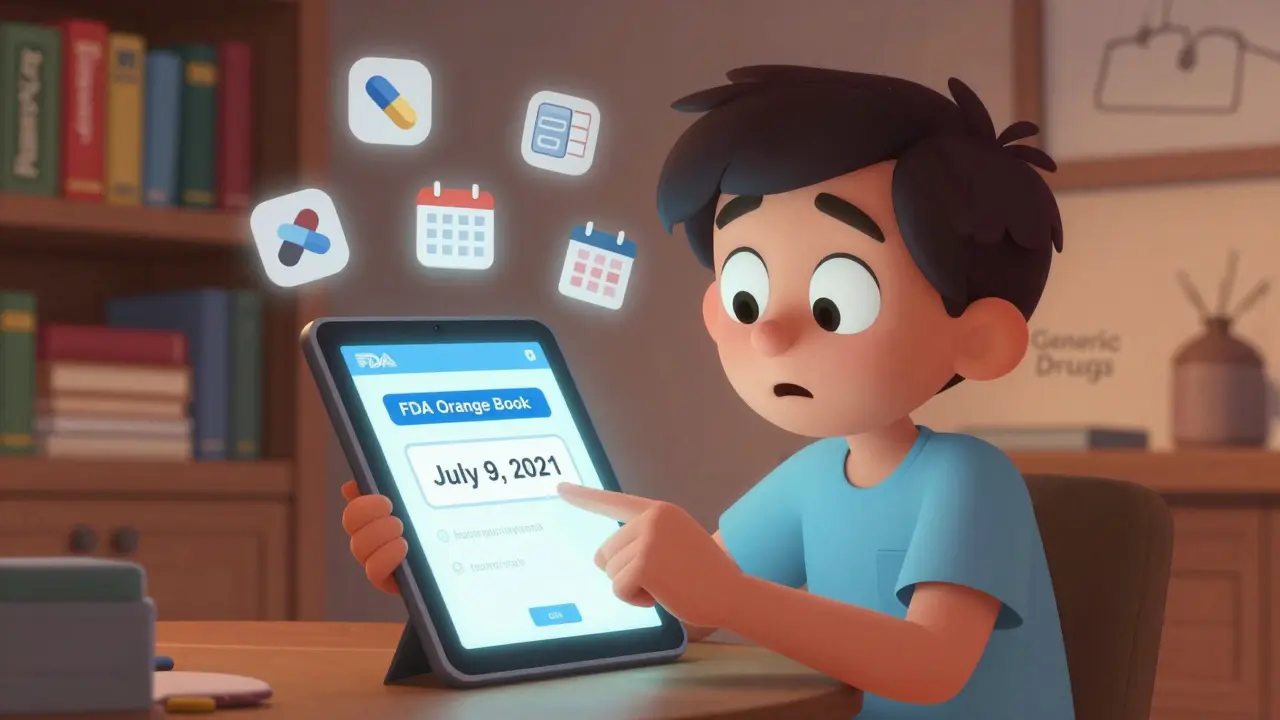
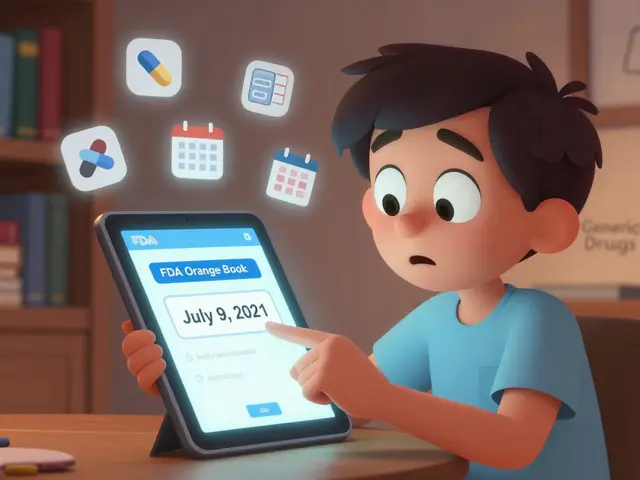
The FDA Orange Book is the official source for patent expiration dates of brand-name drugs in the U.S. Learn how to find and interpret these dates to predict when generic versions will become available.
View more
Computer Vision Syndrome affects over 65% of screen users, causing eye strain, dryness, and headaches. Learn simple, science-backed ways to prevent digital eye strain-no expensive gadgets needed.
View more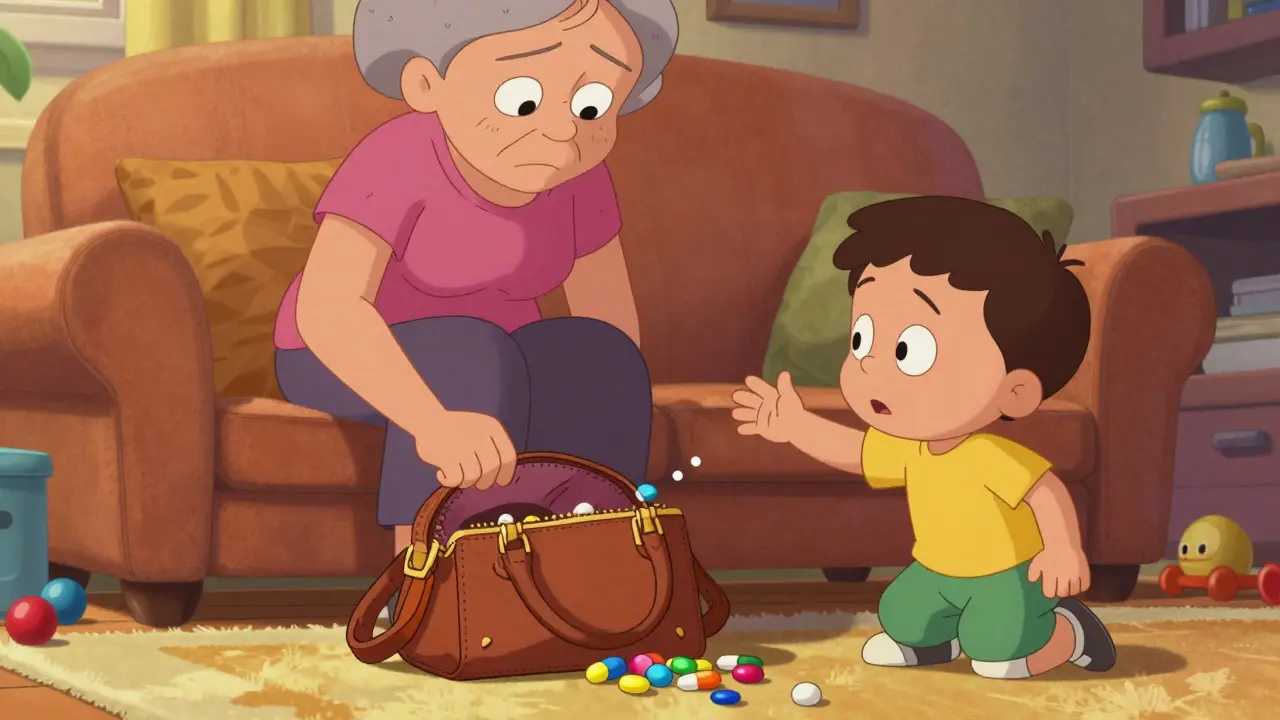
Every year, thousands of children end up in ERs due to medication poisonings involving grandparents. Learn practical steps to store medicines safely, communicate with kids, and use resources like the PROTECT Initiative. Simple changes can prevent accidents and keep grandkids safe.
View more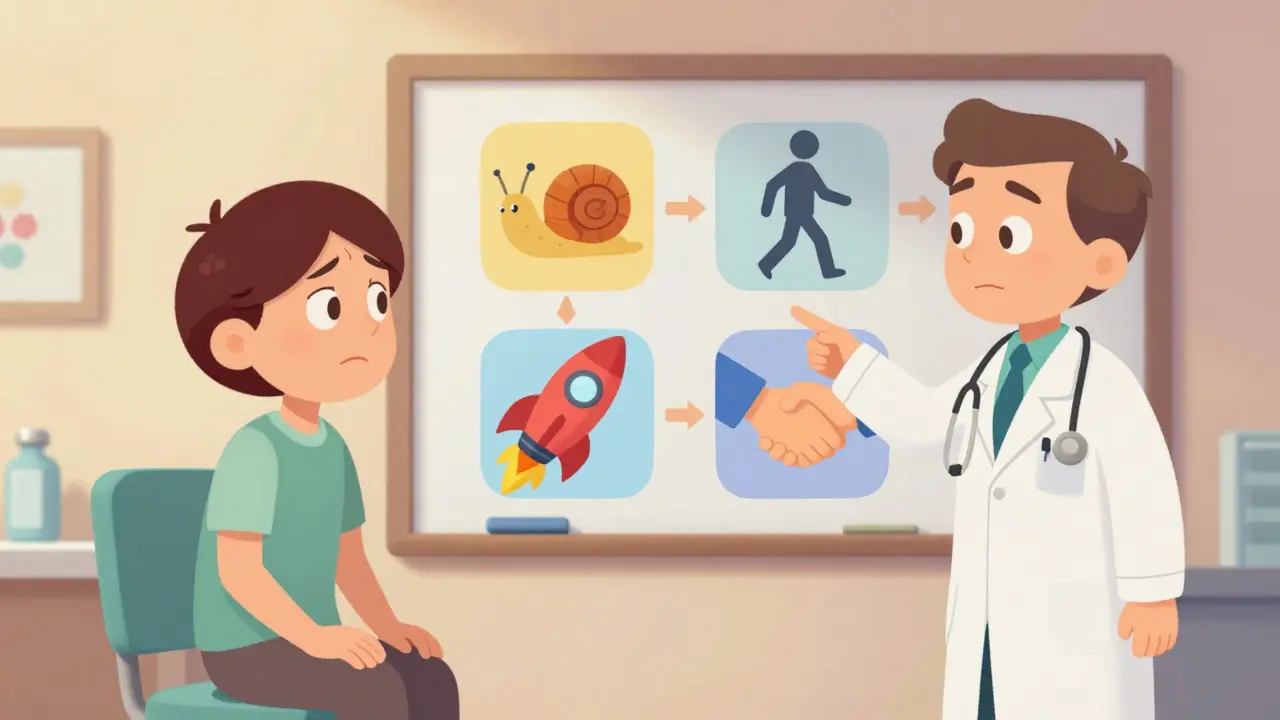
Learn how to safely switch medications by minimizing side effects through proper strategies like cross-tapering and pharmacokinetic planning. Key tips include understanding withdrawal symptoms, recognizing serotonin syndrome signs, and following doctor-guided steps for a smooth transition.
View more
Diuretics are essential for heart failure patients but often cause dangerous low potassium. Learn how to prevent hypokalemia with potassium-sparing drugs, SGLT2 inhibitors, and smart dosing strategies backed by clinical guidelines.
View more
Simple lifestyle changes like walking, eating less salt, and sleeping better can cut your medication needs by up to 50%. Learn how to reduce risks, avoid dangerous interactions, and work with your doctor to stay healthy without over-relying on pills.
View more
Learn how to time your medications to reduce your baby's exposure to drugs while breastfeeding. Safe strategies for painkillers, antidepressants, and opioids-backed by medical guidelines.
View more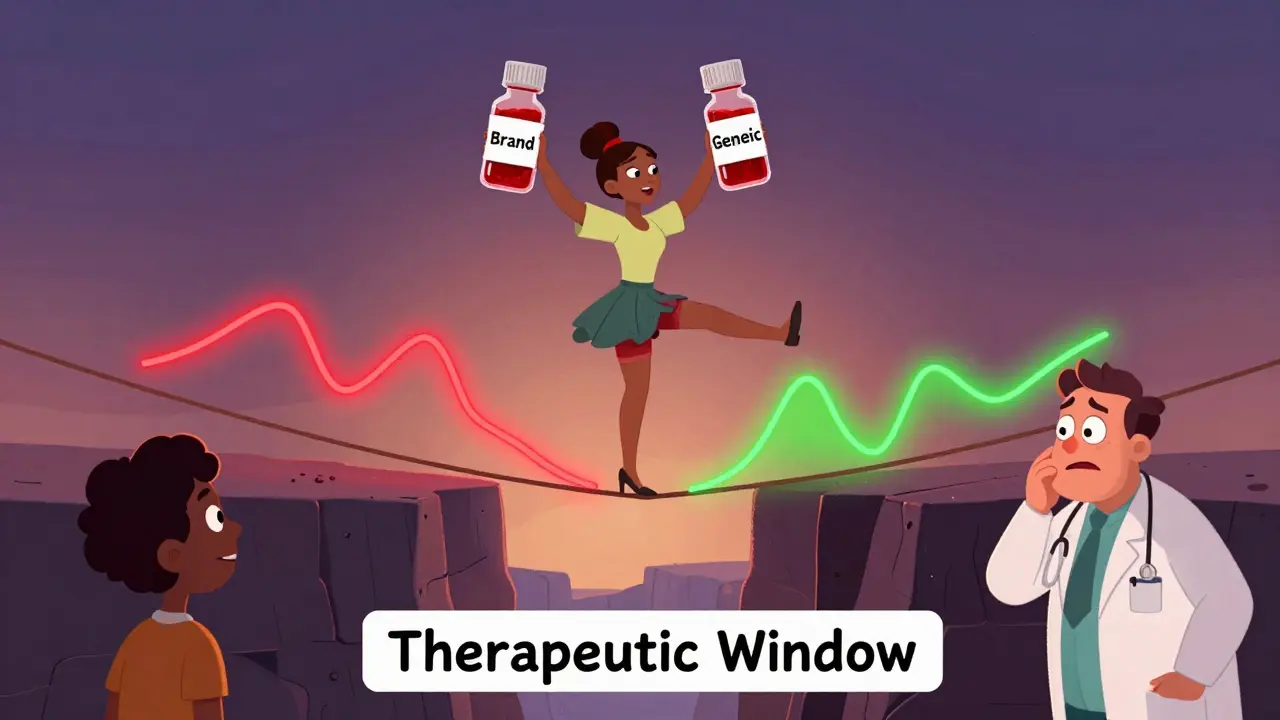
Bridging studies for NTI generics ensure that life-critical generic drugs like warfarin and levothyroxine are as safe and effective as brand-name versions. Stricter bioequivalence standards, complex study designs, and higher costs make these approvals rare-but essential for patient safety.
View more
After the first generic drug enters the market, a cascade of competitors follows-triggering steep price drops, manufacturing challenges, and corporate tactics like authorized generics and PBM deals. Here’s how the race really unfolds.
View more