Antihistamines and Blood Pressure: What You Need to Know
Not all antihistamines affect blood pressure the same way. Learn which ones are safe for high blood pressure, which to avoid, and how to monitor your readings to stay protected.
View more
Not all antihistamines affect blood pressure the same way. Learn which ones are safe for high blood pressure, which to avoid, and how to monitor your readings to stay protected.
View more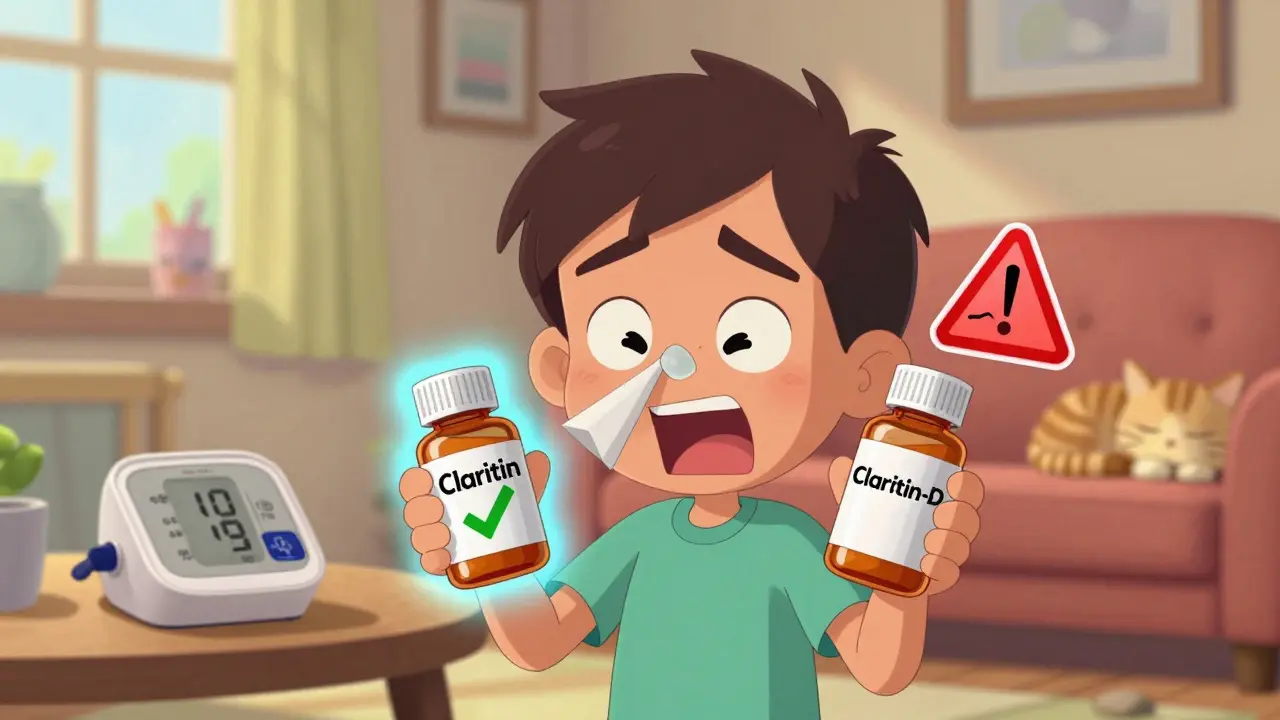
Antihistamines can affect blood pressure depending on the type. Second-generation options like loratadine and cetirizine are safe for most people with hypertension. Avoid decongestant combos like Claritin-D, which can raise pressure. Monitor your numbers if you're at risk.
View more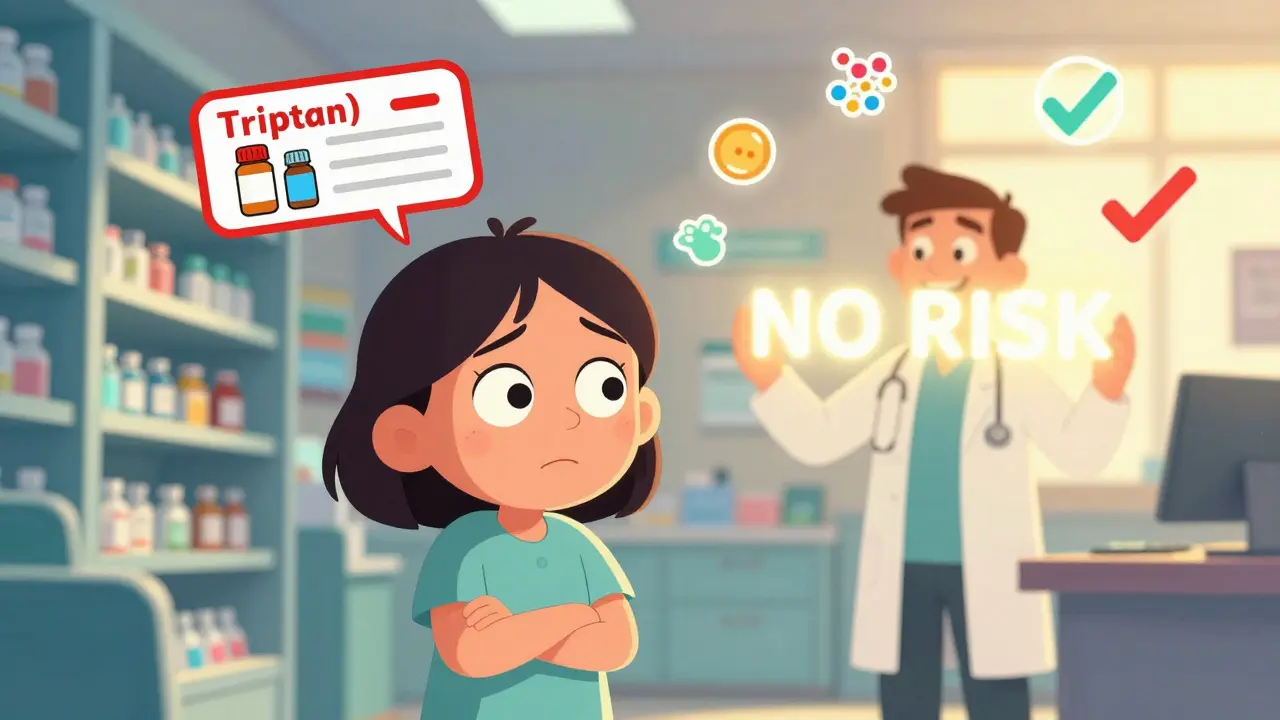
Despite a 2006 FDA warning, combining triptans and SSRIs does not significantly increase the risk of serotonin syndrome. Evidence from large studies and expert consensus confirms the combination is safe for migraine patients on antidepressants.
View more
Even after curing hepatitis C, liver cancer risk remains for those with prior fibrosis or cirrhosis. Learn why ongoing surveillance is critical, how risk is measured, and what guidelines say - and why so many patients stop screening too soon.
View more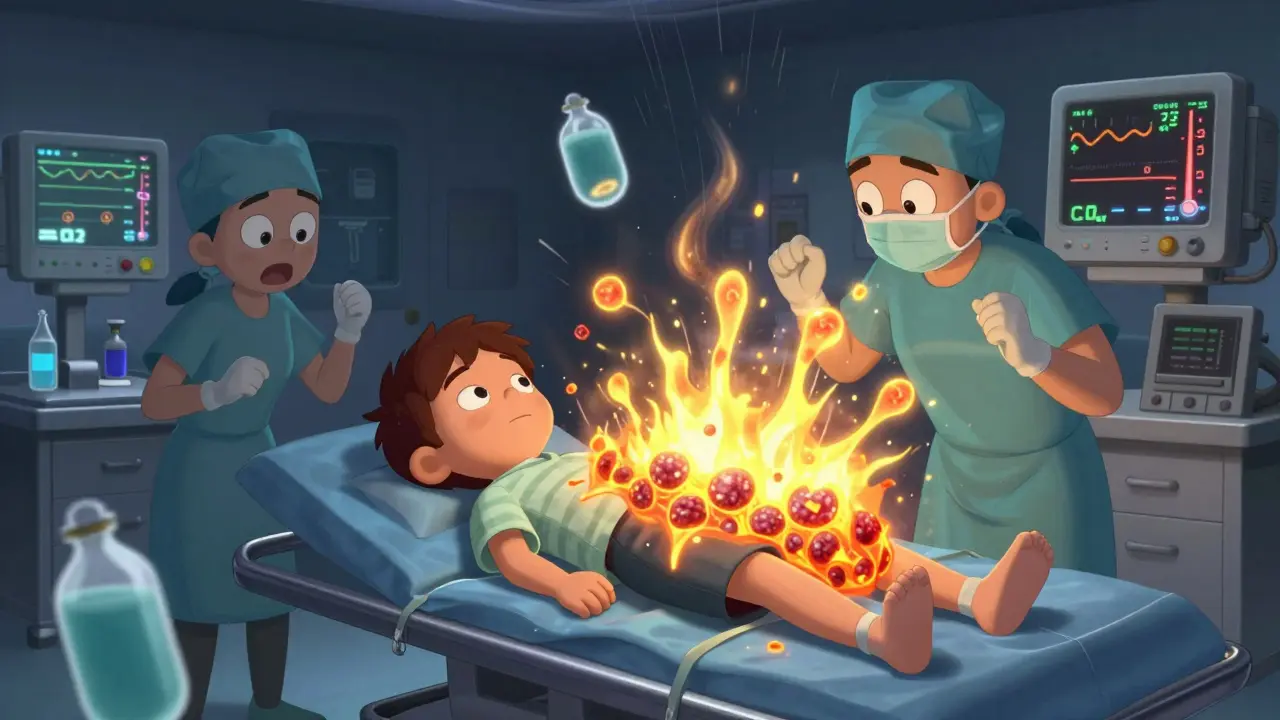
Malignant hyperthermia is a rare but deadly reaction to certain anesthesia drugs, triggered by genetic mutations. Early recognition and immediate dantrolene administration can save lives. Learn the signs, risks, and what hospitals must do to prevent fatalities.
View more
Generic drug recalls happen when manufacturing failures put patients at risk. Learn what triggers recalls, how the FDA responds, and what you can do to protect yourself from dangerous medications.
View more
Anorexia and bulimia are life-threatening mental illnesses with high mortality rates. Evidence-based treatments like Family-Based Treatment and CBT-E offer real recovery-but access remains limited due to insurance barriers and lack of providers.
View more
Rheumatoid arthritis is a systemic autoimmune disease that attacks joints and can damage organs. Biologic therapies target specific immune signals to reduce inflammation and prevent joint damage. Early treatment is critical to avoid permanent harm.
View more
Athletes on blood thinners face higher bleeding risks during sports. Learn how DOACs, timing doses, and sport classification can help you stay active safely without increasing clot risk.
View more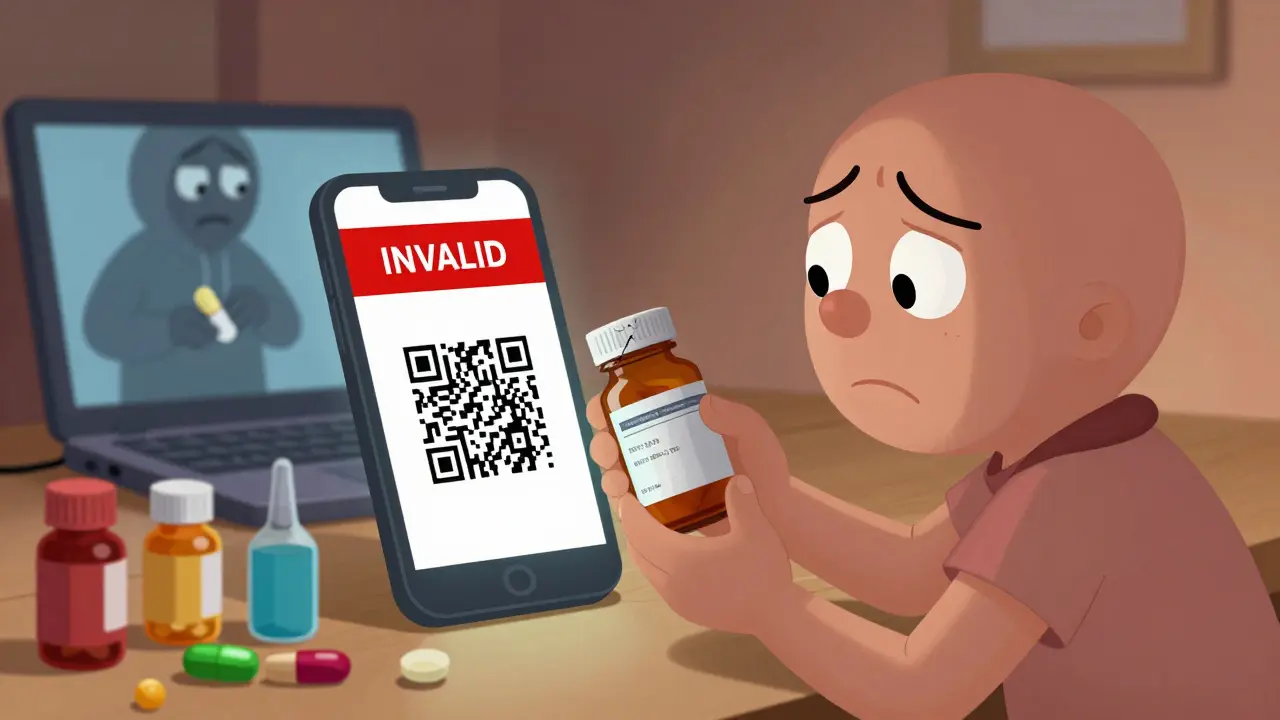
Learn how to spot counterfeit drugs before taking them. Simple steps like checking packaging, scanning QR codes, and avoiding unverified online pharmacies can prevent dangerous fake medicines from harming you or your loved ones.
View more
Learn how to tell the difference between a true MS relapse and a pseudorelapse, what triggers each, and why steroids are often unnecessary - and even harmful - when misused. Practical tips for patients and caregivers.
View more
Creatine raises creatinine levels, which can falsely suggest kidney damage. Learn how to monitor kidney function accurately if you're taking creatine - especially if you're on kidney medications.
View more